


Introduction
In today’s hyper-competitive digital landscape, user attention is limited and expectations are higher than ever. Users no longer have the patience to explore complex interfaces or read lengthy documentation. They expect products to guide them instantly, intelligently, and intuitively.
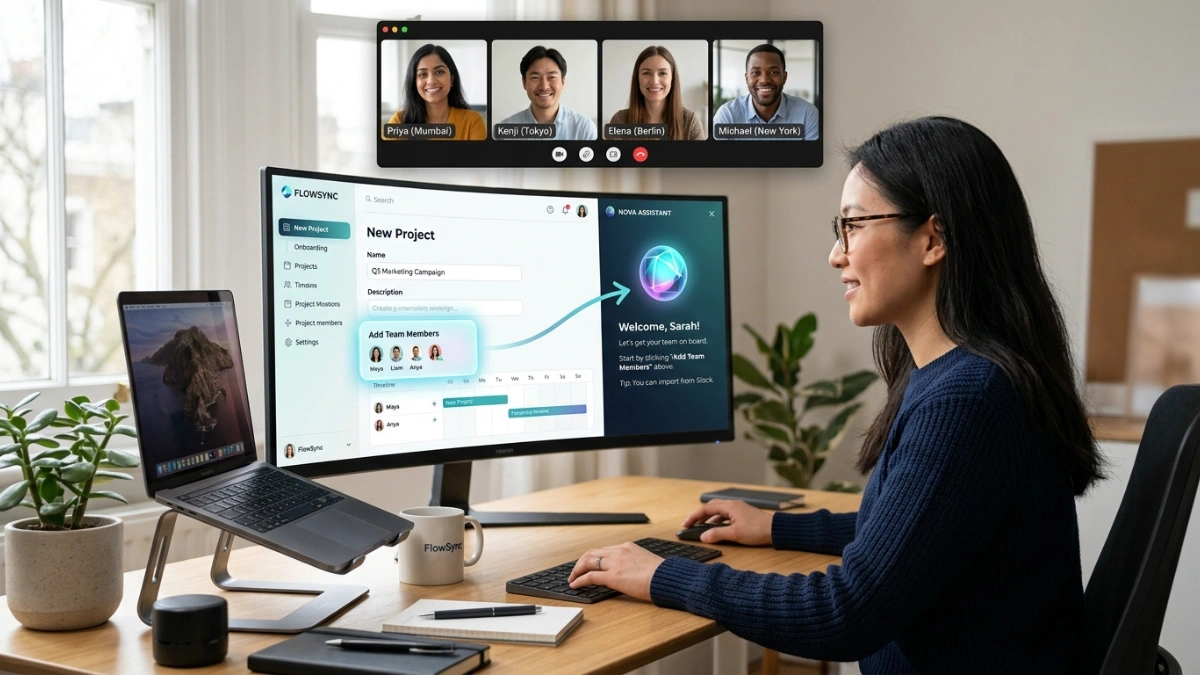
This shift has led to the emergence of AI-powered interactive feature walkthroughs a transformative approach that blends artificial intelligence, behavioral analytics, and conversational interfaces to deliver real-time, personalized onboarding experiences.
Unlike traditional walkthroughs that follow a fixed path, AI-powered systems are dynamic, responsive, and user-centric. They don’t just explain features they actively help users achieve their goals.
Understanding AI-Powered Feature Walkthroughs
AI-powered walkthroughs are advanced onboarding systems designed to:
- Analyze user behavior in real time
- Adapt guidance based on intent and actions
- Provide contextual, step-by-step assistance
- Offer conversational support through chat or voice
These systems act like a digital product expert, available 24/7 inside the application.
The Evolution of Walkthrough Technology
Phase 1: Static Walkthroughs
- Linear product tours
- Fixed tooltips and popups
- No personalization
Phase 2: Rule-Based Walkthroughs
- Conditional triggers
- Basic segmentation
- Limited flexibility
Phase 3: AI-Driven Walkthroughs (Present)
- Real-time adaptation
- Behavioral intelligence
- Continuous learning
This evolution highlights a major shift from product-focused onboarding → user-focused onboarding.
Core Technologies Behind AI Walkthroughs
1. Behavioral Analytics
Tracks how users interact with the product:
- Clicks
- Scrolls
- Time spent
This data helps identify:
- User intent
- Pain points
- Drop-off areas
2. Machine Learning Algorithms
Machine learning models:
- Predict user needs
- Recommend next actions
- Optimize onboarding flows
3. Natural Language Processing (NLP)
Enables conversational interactions where users can:
- Ask questions
- Get instant guidance
- Navigate features using natural language
4. Real-Time Decision Engines
These systems:
- Analyze user context instantly
- Deliver the most relevant guidance
- Adjust flows dynamically
Key Features of AI-Powered Walkthroughs
1. Hyper-Personalization
Each user gets a unique onboarding journey based on:
- Behavior
- Preferences
- Experience level
2. Conversational Guidance
Users interact with:
- Chatbots
- Voice assistants
This replaces static instructions with interactive learning.
3. Context-Aware Assistance
Guidance appears only when needed:
- No interruptions
- No overload
- Maximum relevance
4. Continuous Optimization
AI learns from:
- User feedback
- Interaction patterns
And improves the walkthrough experience over time.
5. Modular & Scalable Design
Walkthroughs can:
- Adapt to new features
- Scale across products
- Support multiple user segments
Business Impact & Strategic Value
1. Accelerated Product Adoption
Users quickly understand and use features effectively.
2. Reduced Support Costs
AI walkthroughs answer common queries, reducing dependency on support teams.
3. Faster Onboarding Time
Users achieve value in minutes instead of hours.
4. Improved Retention
Engaging onboarding experiences lead to long-term loyalty.
5. Higher Revenue Growth
Better onboarding directly impacts:
- Conversions
- Upselling opportunities
Industry Applications
SaaS Platforms
Guide users through complex workflows and dashboards.
E-commerce
Provide personalized product recommendations and checkout assistance.
Fintech
Simplify onboarding for financial services and transactions.
EdTech
Help learners navigate courses and tools effectively.
Challenges & Considerations
Data Privacy & Security
Handling user data responsibly is critical.
Over-Personalization Risks
Too much guidance can feel intrusive.
High Implementation Cost
Requires investment in:
- Technology
- Talent
- Infrastructure
AI Bias & Accuracy
Incorrect recommendations can harm user trust.
Future Trends in AI Walkthroughs
What’s Next?
- Voice-first onboarding systems
- Emotion-aware AI interfaces
- AR/VR guided product experiences
- Autonomous onboarding agents
The future will shift from guided experiences → intelligent companionship within products.
Conclusion
AI-powered interactive feature walkthroughs represent a paradigm shift in user onboarding and experience design. They transform onboarding from a passive process into an active, intelligent, and engaging journey.
As digital products become more complex, the need for smart guidance systems will only grow. Businesses that invest in AI-driven walkthroughs today are positioning themselves to deliver exceptional user experiences, higher engagement, and long-term growth.
For more Contact Us
Similar Posts

AI
Cybersecurity Insurance Market Experiences Rapid Growth
As cyber threats continue to evolve in complexity and scale, businesses around the world are facing unprecedented digital…
AI
Sports Analytics Trends Powered by Machine Learning in 2026
The world of sports is undergoing one of the biggest technological transformations in history. For decades, sports success…