



In today’s digital-first world, software development has become faster, more automated, and highly dependent on third-party tools, open-source libraries, APIs, and cloud-native technologies. While this transformation has accelerated innovation, it has also created a dangerous new cybersecurity challenge software supply chain attacks.
Organizations across the globe are now facing an increasing number of attacks targeting the software development lifecycle instead of directly attacking end-users or enterprise infrastructure. Cybercriminals have realized that compromising a single trusted software component can potentially impact thousands or even millions of organizations downstream.
From malicious open-source packages to compromised CI/CD pipelines, software supply chain attacks are quickly becoming one of the biggest application security concerns in 2026.
What Is a Software Supply Chain Attack?
A software supply chain attack occurs when attackers compromise software at any stage of its development, distribution, or update process. Instead of attacking a company directly, hackers target the tools, vendors, dependencies, or infrastructure used to build applications.
This includes:
- Open-source libraries
- Third-party APIs
- Build servers
- CI/CD pipelines
- Package repositories
- Software updates
- Development environments
- Cloud services
- Container images
The goal is simple: exploit trust relationships.
If attackers can insert malicious code into trusted software components, organizations may unknowingly deploy infected applications into production environments.
Why Software Supply Chain Attacks Are Increasing
Several factors are contributing to the rapid rise of supply chain attacks.
1. Heavy Dependence on Open-Source Software
Modern applications heavily rely on open-source packages. A single application may contain thousands of external dependencies.
Developers often prioritize speed and functionality, but many organizations fail to properly verify the application security of these components.
Attackers exploit this by:
- Uploading malicious packages
- Hijacking abandoned repositories
- Injecting malware into dependencies
- Performing typo-squatting attacks
Even a small malicious package can compromise an entire enterprise application ecosystem.
2. Rapid CI/CD Automation
Continuous Integration and Continuous Deployment (CI/CD) pipelines help organizations release software faster.
However, insecure pipelines can become easy targets for attackers.
If hackers gain access to:
- Build servers
- Deployment scripts
- Secrets and credentials
- Source code repositories
they can silently inject malicious code into software releases.
This makes CI/CD security one of the most critical areas in modern DevSecOps strategies.
3. Cloud-Native Complexity
Cloud-native applications involve:
- Containers
- Kubernetes
- Serverless functions
- APIs
- Microservices
Each additional component increases the attack surface.
Organizations often struggle to maintain visibility across these highly distributed environments, making it easier for attackers to exploit vulnerabilities.
4. Trust-Based Exploitation
Traditional cyberattacks often trigger application security alerts. Supply chain attacks are more dangerous because they abuse trusted relationships.
When software updates come from trusted vendors, organizations usually install them automatically.
This allows malicious updates to spread quickly without immediate detection.
Major Types of Software Supply Chain Attacks
Dependency Confusion Attacks
Attackers upload fake packages with names similar to internal company libraries.
Automated systems may accidentally download the malicious package instead of the legitimate internal version.
This technique has become extremely common in public package repositories.
Malicious Open-Source Packages
Cybercriminals publish harmful libraries disguised as legitimate developer tools.
These packages may:
- Steal credentials
- Install backdoors
- Exfiltrate sensitive data
- Monitor environments
Because developers trust open-source ecosystems, these attacks can remain hidden for long periods.
Compromised Software Updates
Attackers infiltrate software vendors and inject malicious code into official software updates.
Since customers trust the vendor, the malware spreads rapidly.
This type of attack can impact thousands of organizations simultaneously.
CI/CD Pipeline Compromise
Hackers target:
- Jenkins servers
- GitHub Actions
- GitLab pipelines
- Build systems
Once compromised, attackers can manipulate software builds and distribute infected applications.
Container Image Attacks
Containers simplify deployment but introduce new risks.
Attackers may upload infected container images to public registries containing:
- Cryptominers
- Malware
- Vulnerable software
- Hidden backdoors
Organizations that fail to scan container images may unknowingly deploy compromised workloads.
The Business Impact of Supply Chain Attacks
Software supply chain attacks can have devastating consequences.
Financial Losses
Organizations may face:
- Regulatory fines
- Incident response costs
- Legal expenses
- Revenue losses
- Customer compensation
A single breach can cost millions of dollars.
Reputation Damage
Customers expect software vendors to provide secure products.
A compromised application can severely damage:
- Brand trust
- Customer loyalty
- Investor confidence
Rebuilding trust after a application security incident can take years.
Operational Disruption
Supply chain attacks can interrupt:
- Production systems
- Software delivery pipelines
- Customer services
- Internal operations
Critical infrastructure organizations face especially high risks.
Data Breaches
Attackers often use supply chain attacks to steal:
- User credentials
- Intellectual property
- Financial data
- Corporate secrets
This can lead to long-term cybersecurity and compliance challenges.
Why Traditional Security Tools Are Struggling
Traditional security approaches were designed for older, monolithic applications.
Modern software ecosystems are:
- Dynamic
- Distributed
- API-driven
- Cloud-native
- Dependency-heavy
Many traditional tools cannot effectively monitor:
- Open-source dependencies
- Runtime container behavior
- CI/CD pipeline security
- Third-party integrations
- Software provenance
As a result, organizations need more advanced application security strategies.
Modern Strategies to Prevent Software Supply Chain Attacks
1. Implement Software Composition Analysis (SCA)
SCA tools help organizations identify:
- Vulnerable dependencies
- Outdated libraries
- License risks
- Malicious packages
Continuous dependency monitoring is essential.
2. Secure CI/CD Pipelines
Organizations should:
- Use least-privilege access
- Rotate secrets regularly
- Enable MFA
- Monitor build systems
- Protect deployment credentials
Pipeline hardening significantly reduces risks.
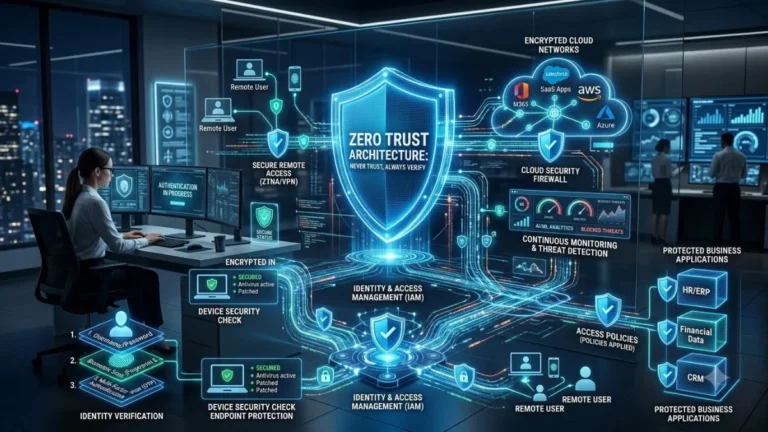
3. Adopt Zero Trust Security
Zero Trust assumes no component is automatically trusted.
Every:
- User
- Application
- API
- Device
- Service
must continuously verify identity and permissions.
This approach limits lateral movement during attacks.
4. Verify Software Provenance
Organizations are increasingly adopting:
- Signed packages
- Code integrity verification
- SBOMs (Software Bill of Materials)
- Cryptographic validation
This improves visibility into software origins.
5. Continuously Scan Containers and Cloud Workloads
Runtime security tools can detect:
- Suspicious activity
- Unauthorized changes
- Malware execution
- Container escapes
Continuous monitoring is critical in cloud-native environments.
6. Strengthen Open-Source Governance
Organizations should establish policies for:
- Dependency approvals
- Package verification
- Repository trust
- Security reviews
Developer education also plays a major role.
The Role of AI in Supply Chain Security
Artificial Intelligence is becoming both a threat and a defense mechanism.
AI-Powered Threat Detection
Modern Application security platforms use AI to:
- Detect anomalous behavior
- Identify suspicious packages
- Analyze dependency risks
- Predict attack patterns
AI improves detection speed significantly.
AI-Powered Attacks
Unfortunately, attackers are also using AI to:
- Generate malware
- Automate phishing
- Scan vulnerabilities faster
- Evade traditional defenses
This creates an ongoing cybersecurity arms race.
Future of Software Supply Chain Security
The future of application security will heavily focus on securing the software ecosystem itself.
Emerging trends include:
- Autonomous security testing
- Runtime AI protection
- Real-time dependency monitoring
- Secure-by-design development
- Mandatory SBOM regulations
- AI-driven DevSecOps
- Cryptographic software verification
Governments and regulatory agencies are also introducing stricter software security standards.
Organizations that proactively modernize their application security programs will be far better prepared for the evolving threat landscape.
Conclusion
Software supply chain attacks are no longer rare or isolated incidents. They have become one of the most dangerous and fast-growing threats in modern cybersecurity.
As businesses continue to adopt cloud-native development, open-source technologies, and AI-powered automation, attackers are increasingly targeting the trust relationships that power modern software delivery.
Traditional Application security practices alone are no longer enough.
Organizations must adopt:
- Secure DevSecOps practices
- Continuous monitoring
- Dependency visibility
- Zero Trust architectures
- Runtime protection
- Software provenance verification
Application security in 2026 is no longer just about protecting code it is about protecting the entire software supply chain.
Businesses that fail to secure their development ecosystems risk becoming the next major cybersecurity headline.
For more Contact Us
Similar Posts
Security & Compliance
Zero Trust Security Architecture Becomes a Business Priority
As cyber threats continue to evolve in complexity and scale, organizations around the world are rethinking their approach…

Security & Compliance
Embedded Feature Guidance Is Reducing Support Costs
The modern software landscape has evolved dramatically over the past decade. Businesses are no longer competing solely on…