



Verification Debt in AI-Generated Code: The Hidden Risk Developers Can’t Ignore
AI-assisted coding is no longer optional. From autocomplete to full function generation, AI tools now sit at the center of modern development workflows. Teams are shipping faster than ever but beneath this speed lies a growing, dangerous problem: verification debt.
Verification debt happens when AI-generated code is accepted, merged, and deployed without sufficient human review. Unlike technical debt, it doesn’t show up immediately. It hides quietly until it explodes in production, security incidents, or unmaintainable systems.
Developers who ignore this problem are not moving faster. They’re just postponing failure.
What Is Verification Debt?
Verification debt is the accumulated risk created when developers trust AI-generated code without validating:
- Correctness
- Security
- Performance
- Maintainability
AI tools generate plausible code, not guaranteed correct code. They optimize for probability, not truth. When teams treat AI output like peer-reviewed code, they introduce silent errors that compound over time.
This debt grows invisibly until systems become fragile, unpredictable, and expensive to fix.
Why Developers Are Skipping Code Verification
Let’s be honest. Verification debt exists because:
- Reviewing AI code takes time
- AI outputs look confident and clean
- Teams are under pressure to ship faster
- “It works” passes as “It’s correct”
Many developers now spend more time prompting than reviewing. That’s backwards. AI should reduce boilerplate, not eliminate responsibility.
Speed without scrutiny is not productivity it’s gambling.
Where AI-Generated Code Fails Most Often
AI-generated code usually breaks in subtle, high-risk areas:
1. Edge Cases
AI often handles the “happy path” well and fails silently on:
- Null conditions
- Concurrency issues
- Race conditions
- Unexpected inputs
2. Security
AI frequently:
- Misses authorization checks
- Introduces insecure defaults
- Misuses cryptography
- Copies unsafe patterns from public code
3. Architecture & Design
AI doesn’t understand your system context. It may:
- Duplicate logic
- Violate design patterns
- Create tight coupling
- Increase long-term maintenance cost
These issues rarely appear in unit tests but surface months later.
The Illusion of Productivity
Teams often celebrate AI-assisted speed without measuring downstream cost:
- Debugging time
- Incident response
- Refactoring cycles
- Security audits
The truth is brutal:
Unverified AI code shifts effort from development to firefighting.
Verification debt is not saving time it’s relocating it to the most expensive phase of software delivery.
Why This Problem Will Get Worse in 2026
AI coding tools are evolving fast:
- More autonomy
- Multi-file generation
- Agent-based development
As AI takes on larger responsibilities, verification becomes harder not easier. When AI writes entire modules, human oversight must shift from line-level review to system-level validation.
Teams that don’t adapt will lose control of their own codebases.
How Teams Can Manage Verification Debt
Ignoring AI is not the answer. Controlling it is.
1. Redefine “Done”
AI-generated code is not complete until:
- Logic is reviewed
- Security is validated
- Tests are extended, not assumed
2. Strengthen Code Review Culture
Code reviews must evolve from:
- Syntax checks
to - Behavioral and architectural reviews
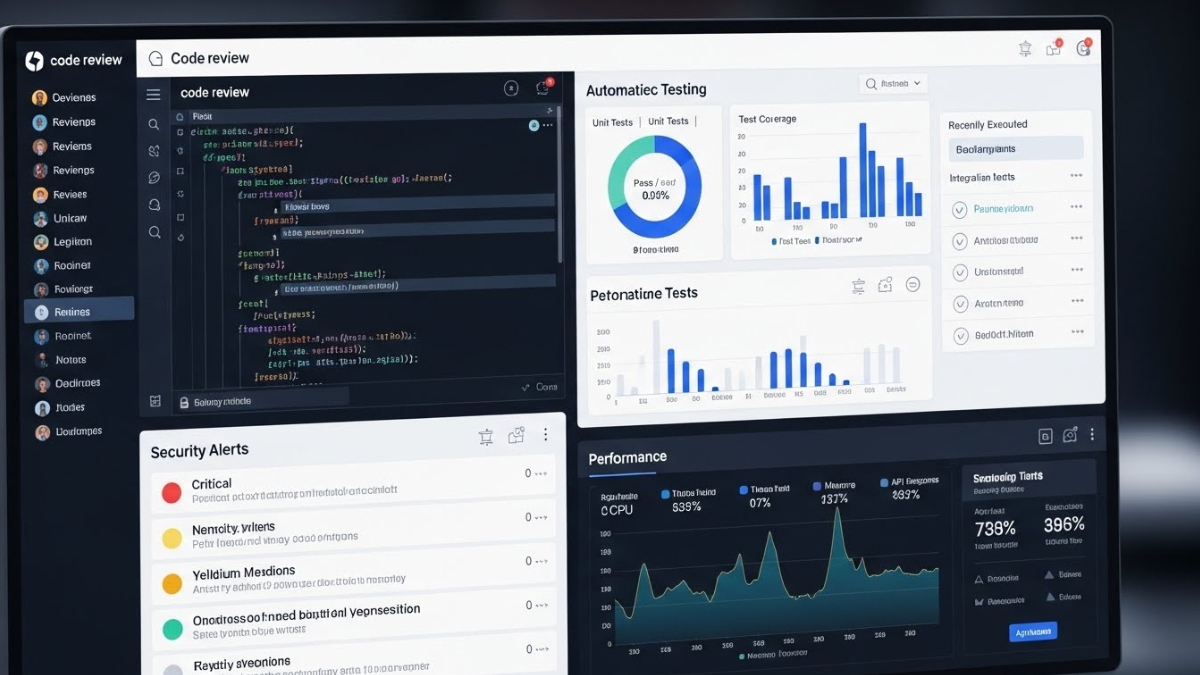
3. Invest in Automated Testing
AI-generated code demands stronger:
- Unit tests
- Integration tests
- Security scanning
Automation is your safety net.
4. Treat AI as a Junior Developer
AI is fast, helpful, and inconsistent.
Trust it like a junior engineer never blindly.
Final Thoughts
Verification debt is the hidden cost of AI-driven development. Teams that acknowledge it will build faster and safer. Teams that ignore it will spend the next few years untangling systems they no longer understand.
AI doesn’t remove responsibility. It raises the bar for engineering discipline.
If your team is adopting AI-assisted development and needs help building safe, scalable engineering practices, explore consulting and development services at Contact Us
Similar Posts
Development
Quality Engineering Metrics Integrated Into Business KPIs
For many years, quality engineering operated behind the scenes. Teams focused on reducing defects, increasing automation coverage, improving…

Development
AI-Driven CI/CD: Powerful Features Transforming DevOps in 2026
The world of DevOps is evolving rapidly, and one of the most powerful accelerators behind this transformation is…