


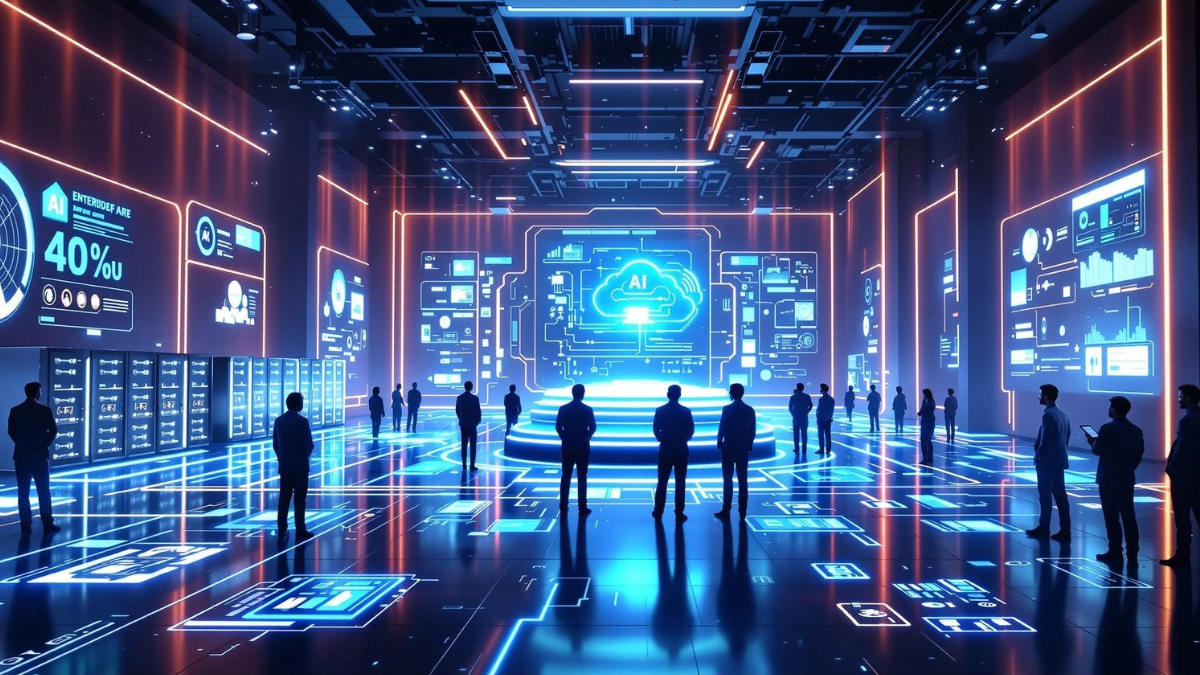
Introduction: CES 2026 Wasn’t About Gadgets, It Was About Infrastructure
CES 2026 exposed a hard truth: AI is no longer an experiment. It’s production-grade, enterprise-ready, and brutally competitive. Developers who still think “model = AI” are already behind.
1. AI Is Becoming a Full Stack, Not a Feature
CES showed AI moving from APIs into end-to-end systems:
- Data ingestion
- Model orchestration
- Real-time inference
- Monitoring & governance
Key takeaway: Developers now need system-level thinking, not just Python scripts.
2. Chips Matter Again: The Death of Hardware Ignorance
AI performance in 2026 depends on tight hardware–software alignment.
- GPUs, NPUs, and AI accelerators dominated
- Power efficiency + edge inference were major themes
Developers can no longer ignore what runs under their code.
3. Frameworks Are Shifting Toward Orchestration & AI Ops
Forget single-model workflows.
It highlighted:
- Multi-model pipelines
- Real-time model switching
- AI lifecycle automation
Frameworks are evolving to support AI Ops, not demos.
4. Enterprise Platforms Are Taking Control
Large organizations want:
- Security
- Compliance
- Predictability
That’s why it showed massive growth in enterprise AI platforms over DIY stacks. Expect more consolidation and fewer “random tools.”
5. What Developers Must Learn in 2026 (No Excuses)
If you’re serious, your stack should include:
- AI deployment & monitoring
- Scalable cloud + edge architectures
- Secure data pipelines
- Hardware-aware optimization
Anything less is hobby-level.
Conclusion: CES 2026 Drew the Line
CES 2026 made it clear:
AI developers are becoming AI engineers.
Those who adapt will build the future. Those who don’t will maintain legacy systems.
Looking to build or modernize an enterprise-ready AI stack?
Explore AI & software development services at Sales@nauticsou.com
Similar Posts
Marketing
4 Powerful Hyper-Personalization Strategies for Marketing Automation Success
The modern customer expects more than generic advertisements, mass emails, and one-size-fits-all marketing campaigns. In today’s digital-first business…

AI
Cybersecurity Insurance Market Experiences Rapid Growth
As cyber threats continue to evolve in complexity and scale, businesses around the world are facing unprecedented digital…