


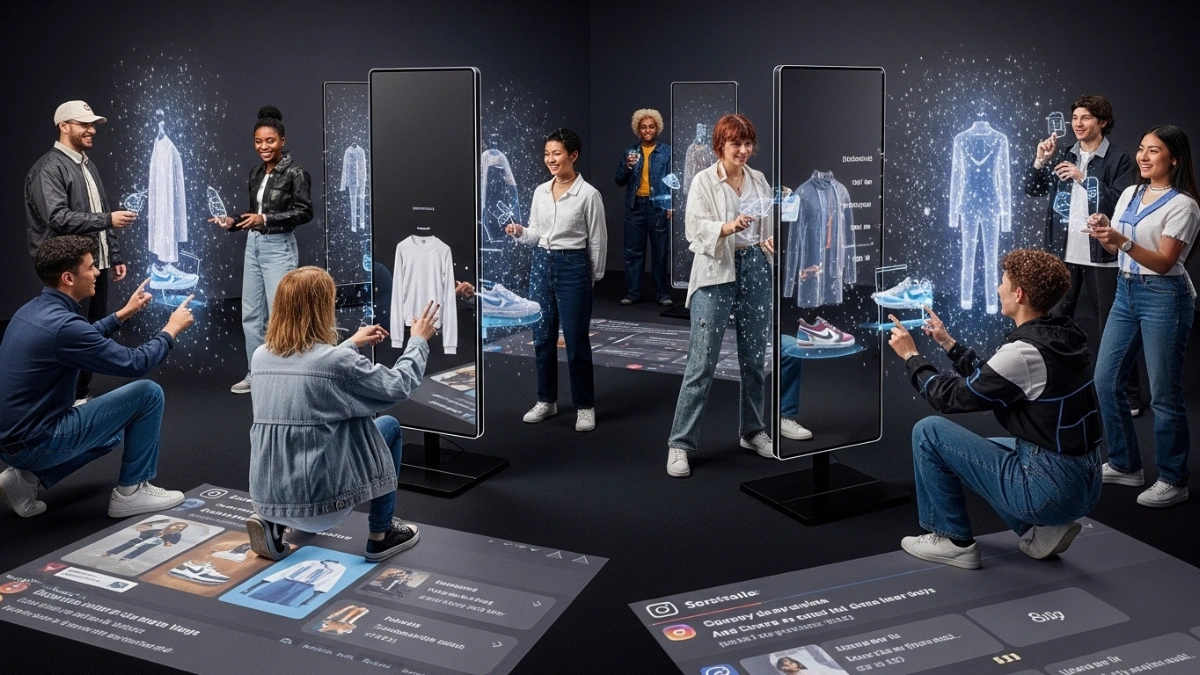
Introduction: From Marketing Messages to Cultural Moments with Brand Collaboration
The rules of branding have fundamentally changed. In the past, companies relied heavily on advertising campaigns, media buying, and product-focused messaging to drive growth. But in today’s hyper-connected, content-saturated world, those traditional methods are no longer enough.
Consumers are no longer passive receivers of marketing they are active participants in culture. They scroll, share, remix, and react in real time. This has created a powerful shift: brands must now earn attention by becoming part of culture, not interrupting it.
This is where brand collaborations step in as a powerful strategy, transforming simple marketing campaigns into meaningful cultural moments. By partnering with creators, communities, and even other brands, companies can tap into existing audiences and build authentic connections that resonate far beyond conventional promotions.
This is why culture-driven brand collaborations have emerged as one of the most effective growth strategies in 2026.
Instead of simply promoting products, brands collaborate with cultural forces films, creators, music, fashion, communities to create moments that people care about, talk about, and share.
The shift is clear: brands that embrace collaboration are not just promoting they are participating in culture.
Defining Culture-Driven Brand Collaborations
A culture-driven collaboration is a strategic partnership between a brand and a cultural entity that already holds emotional, social, or symbolic value.
These entities can include:
- Entertainment properties (films, shows)
- Celebrities and influencers
- Internet trends and meme formats
- Subcultures and niche communities
- Social movements and causes
For example:
- A beauty brand collaborating with The Devil Wears Prada to create a themed collection
- Nike working with athletes and street culture icons to release limited-edition sneakers
- Harley-Davidson reinventing its brand identity through music, lifestyle, and youth culture
The key idea: brands borrow cultural meaning and amplify it through collaboration.
Why Culture Has Become the Core of Growth Strategy
1. Decline of Traditional Advertising
Consumers today:
- Skip ads
- Block ads
- Ignore ads
But they engage deeply with:
- Entertainment
- Influencers
- Communities
Cultural collaborations allow brands to integrate into content rather than interrupt it.
2. The Rise of the Attention Economy
Attention is now the most valuable currency. However, it is:
- Fragmented across platforms
- Short-lived
- Highly competitive
Cultural collaborations help brands:
- Break through noise
- Capture attention organically
- Stay relevant in fast-moving conversations
3. Identity-Driven Consumption
Modern consumers don’t just buy products they buy identity signals.
People ask:
- Does this reflect who I am?
- Does this align with my values?
- Does this connect me to a community?
Culture-driven collaborations provide strong identity cues.
4. Social Media Amplification
A culturally relevant collaboration can:
- Go viral
- Generate user content
- Become a trend
This creates a multiplier effect where consumers themselves become marketers.
Deep Psychology Behind Cultural Collaborations
To understand why these collaborations are so powerful, we need to look at human psychology:
Emotional Connection
Culture carries emotions nostalgia, excitement, aspiration.
When brands tap into culture, they inherit those emotions.
Social Proof
If something is culturally popular, people assume it is valuable.
Fear of Missing Out (FOMO)
Limited-edition collaborations create urgency:
- “Everyone is talking about this”
- “I need to be part of it”
Tribal Belonging
Brand Collaborations often represent communities:
- Sneaker culture
- Gaming culture
- Fitness culture
Buying into a collaboration means joining a tribe.
Types of Culture-Driven Collaborations (Expanded)
1. Entertainment Collaborations
Brands Collaborations with movies, OTT platforms, or TV shows.
Execution styles:
- Character-inspired products
- Co-branded campaigns
- Story-driven experiences
Impact:
- Leverages existing fanbases
- Creates emotional storytelling
- Enhances brand memorability
2. Celebrity & Influencer Collaborations
Creators today are cultural powerhouses.
Types:
- Co-created product lines
- Brand ambassadorships
- Limited-edition drops
Why effective:
- Built-in trust
- Strong personal branding
- Direct audience access
3. Internet & Meme Culture Collaborations
Brands that understand internet culture can move fast and win attention.
Examples:
- Meme-based marketing
- Trend hijacking
- Viral challenges
Key requirement: Speed + authenticity
4. Subculture Collaborations
Subcultures often influence mainstream trends.
Examples:
- Streetwear
- Hip-hop
- Gaming
- Skate culture
Brands like Adidas have successfully tapped into these niches.
Why powerful:
- High loyalty
- Strong identity
- Cultural influence beyond size
5. Purpose-Driven Collaborations
Brands align with causes such as:
- Sustainability
- Mental health
- Diversity
Impact:
- Builds emotional trust
- Enhances brand credibility
- Attracts value-driven consumers
Strategic Framework for Successful Collaborations
1. Cultural Intelligence
Brands must deeply understand:
- Trends
- Audience behavior
- Cultural nuances
2. Authentic Alignment
The brand collaboration must feel natural.
Forced collaborations damage credibility.
3. Co-Creation Over Promotion
The best brand collaborations:
- Create something new
- Add value to culture
4. Storytelling
Narrative is critical:
- Why this collaboration?
- What does it represent?
5. Timing
Culture moves fast. Timing determines success.
6. Distribution Strategy
Use:
- Social media
- Influencers
- Events
- Digital platforms
Business Benefits (In Depth)
Explosive Reach
Brand Collaborations tap into multiple audiences simultaneously.
Higher Engagement
People interact more with cultural content than ads.
Premium Positioning
Limited drops increase perceived value.
Stronger Brand Equity
Associating with culture builds long-term brand strength.
Repeat Growth Engine
Successful collaborations can be repeated and scaled.
Risks and Challenges (Expanded)
Cultural Misalignment
If a brand misreads culture, backlash can occur instantly.
Overuse of Collaborations
Too many brand collaborations dilute brand identity.
Short-Term Hype vs Long-Term Value
Not all viral moments translate into sustained growth.
Loss of Brand Control
Brand Collaborations require shared creative control.
Real-World Strategic Observations
- Legacy brands are using collaborations to stay relevant
- D2C brands use collaborations to grow quickly
- Tech brands are entering lifestyle collaborations
- Indian brands are increasingly using Bollywood, cricket, and influencer culture
Future Trends in Cultural Collaborations
AI + Culture
- AI-generated influencers
- Personalized collaborations
Virtual Worlds
- Gaming integrations
- Metaverse branding
Community Co-Creation
Consumers will become collaborators.
Always-On Culture Strategy
Brands will continuously engage with culture not just during campaigns.
Conclusion: Culture Is the New Distribution Channel
The biggest shift in branding is this:
Culture is no longer external to brands it is the medium through which brands grow.
In 2026, the most successful brands are not those that:
- Spend the most on ads
- Launch the most products
But those that:
- Understand culture
- Respect it
- Participate in it meaningfully
For more Contact Us
Similar Posts

Marketing
4 Powerful Hyper-Personalization Strategies for Marketing Automation Success
The modern customer expects more than generic advertisements, mass emails, and one-size-fits-all marketing campaigns. In today’s digital-first business…
Marketing
B2B Brands Are Focusing More on Trust Infrastructure in 2026
Why Trust Has Become the Most Important Growth Asset in 2026 The B2B business environment has changed dramatically…