
Quality Engineering Metrics Integrated Into Business KPIs

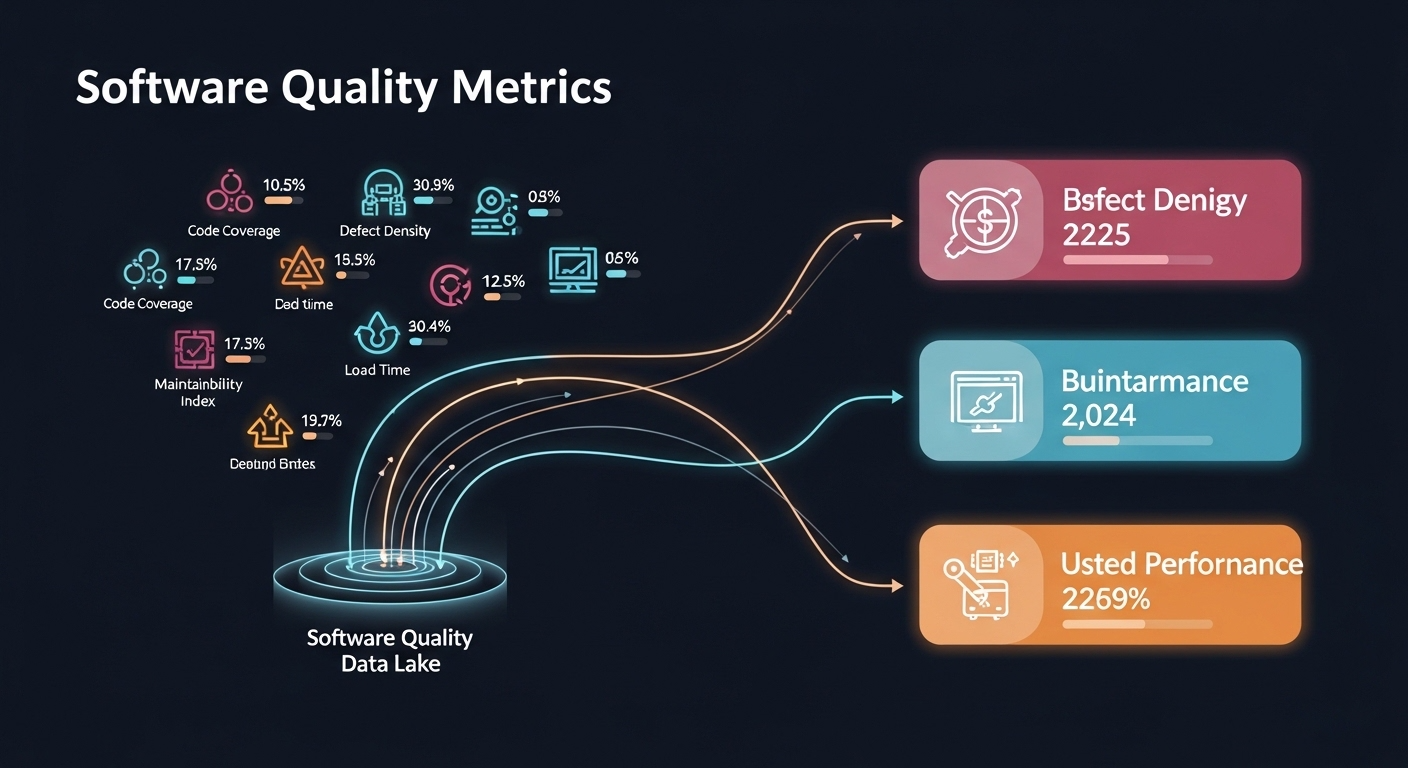
For many years, quality engineering operated behind the scenes. Teams focused on reducing defects, increasing automation coverage, improving regression efficiency, and maintaining release stability. These metrics were critical to engineering teams but rarely made their way to boardrooms. Quality engineering metrics are becoming central to business strategy as organizations connect software performance directly to financial outcomes.

That separation no longer exists.

In 2026, quality engineering metrics are being integrated directly into business KPIs. Executives now understand that software quality influences revenue performance, customer retention, operational risk, brand reputation, and competitive advantage.

Quality is no longer a technical report. It is a strategic business indicator.

The Evolution of Quality Engineering

Phase 1: Bug Detection

Quality teams were primarily responsible for finding defects before release.

Phase 2: Automation and Efficiency

Organizations invested in automation to accelerate release cycles and reduce manual effort.

Phase 3: Continuous Delivery Integration

Quality shifted left and right, embedding testing into CI/CD pipelines and production monitoring.

Phase 4: Business Alignment (Current Phase)

Quality metrics now correlate directly with financial and operational KPIs.

This evolution reflects the reality that digital products are no longer support functions they are primary revenue engines.

How Quality Engineering Metrics Drive Business Performance

1. Software Is Revenue Infrastructure

In retail, e-commerce platforms drive transactions.
In fintech, apps process financial activity.
In SaaS, uptime determines subscription retention.

A defect in production is no longer an inconvenience it is a financial event.

Executives now ask:

  • How much revenue is at risk due to quality gaps?
  • What is the cost per hour of downtime?
  • How do defects affect customer lifetime value?

Quality engineering must answer these questions with measurable data.

2. Customer Experience Defines Brand Value

Customers no longer differentiate between technical failures and brand failures. A broken feature or slow-loading page directly impacts perception.

Quality metrics now include:

  • User journey stability
  • Page load performance
  • Conversion impact after release
  • Feature adoption consistency

These are business metrics disguised as quality signals.

3. Digital Risk Is Board-Level Risk

Cyber incidents, outages, and performance failures are now governance concerns. Boards expect transparency into:

  • Change failure rate
  • Incident frequency
  • Recovery time
  • Release risk level

Quality engineering has become a risk management function.

Mapping Quality Metrics to Business KPIs

To align quality with business strategy, organizations are redefining traditional metrics.

1. Defect Escape Rate → Revenue Risk Index

Rather than simply reporting escaped bugs, teams now calculate:

  • Revenue lost per incident
  • Conversion drop during outage
  • Refund and compensation impact
  • Customer churn associated with defects

Quality data feeds financial forecasting models.

2. Change Failure Rate → Operational Stability KPI

Frequent rollback events reduce trust and slow innovation. Organizations measure:

  • Percentage of deployments causing incidents
  • Cost of remediation
  • Delays in feature rollout

This aligns DevOps metrics with executive performance dashboards.

3. Mean Time to Detect (MTTD) & Mean Time to Recover (MTTR) → Customer Retention Signal

Faster detection reduces impact. Faster recovery protects loyalty.

Companies now track:

  • Minutes of user impact
  • Retention drop during incidents
  • Support ticket volume spikes

Quality metrics become leading indicators of churn.

4. Automation Coverage → Cost Optimization Metric

Automation is reframed from coverage percentage to financial outcome:

  • Manual hours saved
  • Release cycle acceleration
  • Cost per deployment reduction

Automation investments are evaluated through ROI lenses.

The Role of Observability in Business-Driven Quality

Observability tools bridge the gap between technical signals and business outcomes.

Modern systems connect:

  • Error rates → Transaction failures
  • API latency → Abandoned sessions
  • Infrastructure instability → SLA penalties
  • Performance degradation → Revenue decline

This correlation transforms testing into real-time performance assurance.

Shift-right practices including canary releases, chaos engineering, and production validation enhance business alignment.

Modern enterprises now treat quality engineering metrics as leading indicators of revenue protection and customer trust.

Executive Dashboards: The New Quality Framework

Today’s leadership dashboards often include:

  • Revenue at risk due to current defects
  • Digital stability score
  • Release confidence index
  • SLA compliance percentage
  • Business impact of incidents
  • Customer sentiment after release

Quality now appears in quarterly business reviews and strategic planning sessions.

Cultural Transformation in Engineering Teams

Aligning quality metrics with business KPIs changes engineering culture.

From “Did Tests Pass?”

To:
“Did This Release Protect Revenue and Customer Trust?”

Engineers become outcome-focused rather than output-focused.

Quality teams collaborate more closely with:

  • Product management
  • Finance teams
  • Customer success teams
  • Risk management teams

Quality becomes cross-functional.

Challenges in Integrating Quality and Business Metrics

Despite the benefits, integration presents obstacles.

1. Data Integration Complexity

Correlating engineering data with financial systems requires unified analytics platforms.

2. Metric Overload

Too many metrics can dilute focus. Strategic prioritization is essential.

3. Cultural Resistance

Some engineering teams resist outcome-based evaluation. Leadership alignment is necessary.

Successful implementation requires both technological capability and cultural maturity.

The Strategic Advantage of Business-Aligned Quality

Organizations that integrate quality metrics into business KPIs gain:

  • Clear visibility into digital risk exposure
  • Faster decision-making during incidents
  • Improved release confidence
  • Stronger investor confidence
  • More accurate revenue forecasting

Quality becomes predictive rather than reactive.

The Future of Quality Engineering

Looking ahead, we can expect:

  • AI-driven predictive defect models
  • Automated risk scoring for releases
  • Real-time quality-health indicators tied to business dashboards
  • Continuous validation integrated with product analytics

Quality engineering will increasingly function as a strategic intelligence layer within digital enterprises.

Conclusion

Quality engineering metrics are no longer confined to internal engineering reports. They are now central to business strategy, revenue protection, and customer trust.

By integrating quality signals into business KPIs, organizations move from defect detection to value preservation. They align technical excellence with financial performance and customer experience.

In today’s digital economy, quality is not just about preventing bugs. It is about safeguarding growth, stability, and competitive advantage.

Quality engineering is now a business discipline. As digital transformation accelerates, quality engineering metrics will continue shaping executive decision-making and long-term growth strategy.

For more information Connect with us

9 Proven Benefits of AI Search Integration for Better Content Discovery

AI search integration is transforming how content is discovered, summarized, and ranked in modern search engines. In 2026, search is no longer limited to keyword matching and blue links. Artificial intelligence now interprets intent, generates structured summaries, and reshapes how users interact with information online.

Instead of simply ranking pages, AI search systems analyze semantic relationships, contextual depth, and content structure before presenting answers directly within search interfaces. This shift is fundamentally changing content strategy and SEO practices.

This marks a major shift in content strategy. SEO is no longer only about visibility it is about participation in AI-driven discovery systems.

From Blue Links to Intelligent Answers

Traditional search results relied on ranking web pages as clickable blue links. Users would:

  1. Enter a query
  2. Browse results
  3. Click a page
  4. Extract information

Today, AI models summarize multiple sources and present direct answers within the search interface itself.

This transformation includes:

  • AI-generated summaries
  • Conversational search results
  • Multi-step guided answers
  • Follow-up question prompts
  • Context-aware recommendations

Content is now competing not just for rankings, but for inclusion in AI-generated responses.

How AI Search Integration Changes SEO Strategy

AI-driven search systems evaluate content differently. Instead of scanning for keyword frequency alone, they prioritize:

  • Conceptual depth
  • Entity relationships
  • Author credibility
  • Structured clarity
  • Context completeness

Content that is thin, repetitive, or surface-level is less likely to be surfaced in AI summaries.

In contrast, content that demonstrates clarity, expertise, and logical structure has higher chances of being referenced.

The Rise of Structured and Extractable Content

AI models rely heavily on structured data patterns. This means that content optimized for AI discovery typically includes:

  • Clear H2 and H3 headings
  • Bullet points
  • Numbered steps
  • FAQs
  • Definitions and explanations
  • Logical topic progression

Unstructured long paragraphs are harder for AI systems to parse and summarize accurately.

Content structure now directly influences discoverability.

Multimodal Discovery Is Expanding

Search is no longer purely text-based. AI integration supports:

  • Image interpretation
  • Video summarization
  • Voice queries
  • Conversational responses
  • Cross-platform search experiences

Content creators must consider multiple formats when designing assets.

For example:

  • A blog post may appear as a summarized snippet
  • An infographic may be extracted into a featured answer
  • A video transcript may inform conversational AI responses

Content discovery is now multi-layered.

The Impact on Click-Through Behavior

One of the most significant changes in AI-integrated search is its effect on traffic patterns.

Because AI answers often provide summaries directly in search results, users may not always click through to the original source.

This introduces new strategic questions:

  • How do brands maintain visibility if clicks decrease?
  • How should content provide value beyond summaries?
  • What motivates users to visit the full page?

The answer lies in depth and differentiation.

Surface-level answers may be summarized, but original insights, case studies, frameworks, and expert analysis still drive engagement.

As AI search integration evolves, content must be structured for extractability and semantic clarity rather than keyword repetition.

Authority Signals Matter More Than Ever

AI systems prioritize trustworthy sources. Signals that influence AI inclusion include:

  • Author expertise
  • Brand authority
  • Backlink credibility
  • Consistent publishing
  • Topical depth

Content ecosystems built around topic clusters perform better than isolated posts.

For example, rather than publishing a single article on SEO, organizations now build:

  • Core pillar content
  • Supporting subtopics
  • Case studies
  • Technical breakdowns
  • Expert commentary

AI favors comprehensive topical authority.

Organizations that understand AI search integration will outperform competitors still relying on traditional ranking tactics.

Topic Clusters Over Keywords

The integration of AI into search accelerates the shift from keyword-based SEO to intent-based SEO.

Instead of targeting individual search terms, successful strategies focus on:

  • Topic coverage
  • User journey alignment
  • Related question mapping
  • Contextual completeness

AI models connect ideas rather than matching isolated phrases.

Content strategy must reflect that evolution.

First-Party Engagement Signals Are Increasingly Important

With AI search integration reducing some click-through behavior, engagement quality becomes more critical.

Search engines now consider:

  • Time on page
  • Scroll depth
  • Repeat visits
  • Content interaction
  • Bounce rate

User satisfaction signals influence long-term ranking and visibility in AI systems.

SEO now overlaps more closely with UX and content experience design.

The Role of AI in Content Creation

AI is not only transforming search it is also influencing content production.

Content teams now use AI tools for:

  • Topic ideation
  • Outline structuring
  • Keyword clustering
  • Content optimization suggestions
  • Performance forecasting

However, AI-generated content alone is insufficient.

AI integration in search systems favors originality, expertise, and differentiated insight not generic summaries.

Human-driven strategic thinking remains essential.

Challenges of AI Search Integration

Despite its benefits, AI-driven search introduces challenges:

1. Reduced Traffic Transparency

Summarized results may obscure referral patterns.

2. Attribution Complexity

AI-generated answers may aggregate multiple sources without clear credit.

3. Increased Competition for Authority

Brands must compete not only for ranking but for inclusion in summary models.

Organizations must adapt measurement frameworks to account for new discovery dynamics.

Strategic Recommendations for 2026

To succeed in AI-integrated search environments, organizations should:

  1. Build topic clusters, not isolated articles
  2. Structure content clearly for extractability
  3. Demonstrate expertise through case studies and data
  4. Use schema markup where appropriate
  5. Optimize for user intent rather than keyword density
  6. Focus on engagement depth beyond surface answers

The goal is not just ranking it is inclusion, authority, and sustained trust.

Conclusion

AI integration is reshaping content discovery at a structural level. Search engines are evolving from index-and-rank systems into interpret-and-answer systems.

This shift changes how content is evaluated, displayed, and consumed. Visibility now depends on semantic depth, structural clarity, and authority signals.

Organizations that adapt to AI-driven discovery models will maintain influence in the evolving search landscape. Those that rely solely on traditional SEO tactics risk declining visibility.

In the age of AI Search Integration, content strategy must be intelligent, structured, and authoritative.

Search is no longer about links. It is about understanding.

AI search integration is not a temporary shift it represents a permanent transformation in how digital content is evaluated and delivered.
For more Contact Us

Data Quality Scoring Is Becoming Standard, Not Optional

In the early days of machine learning and analytics, teams often rushed toward model training with one assumption: more data equals better results. Data pipelines were built quickly, datasets were collected from multiple sources, and models were trained with minimal inspection of data integrity.

That approach no longer works.

In 2026, data quality scoring is becoming a standard requirement before any model training or analytics deployment begins. Organizations are recognizing that poor data quality is one of the primary causes of model failure, inaccurate insights, and operational risk.

The shift is clear: data quality is no longer an afterthought it is a measurable prerequisite.

Why Data Quality Was Historically Overlooked

For years, data engineering focused primarily on:

  • Data ingestion speed
  • Storage scalability
  • Model accuracy metrics
  • Feature engineering optimization

Data quality checks were often limited to:

  • Missing value detection
  • Basic format validation
  • Schema matching

These checks were reactive and superficial. They did not measure whether the data was reliable, unbiased, consistent, or representative.

As machine learning systems became more integrated into real-world decision-making healthcare diagnostics, credit scoring, fraud detection, supply chain forecasting the cost of low-quality data became significantly higher.

What Is Data Quality Scoring?

Data quality scoring is a structured process that assigns measurable ratings to datasets before they are used for training or inference.

Rather than simply asking, “Is the data complete?”, modern scoring systems evaluate:

  • Completeness – Are critical fields missing?
  • Consistency – Are formats and values uniform across sources?
  • Accuracy – Does the data reflect real-world conditions?
  • Timeliness – Is the dataset up to date?
  • Distribution Stability – Has the data drifted from historical patterns?
  • Bias Detection – Does the dataset overrepresent certain groups?

Each dimension contributes to an overall quality score that determines whether the dataset is safe to use.

Why Data Quality Scoring Is Becoming Mandatory

1. Model Performance Depends on Input Integrity

Even the most advanced algorithms cannot compensate for flawed data. Low-quality inputs lead to:

  • Inconsistent predictions
  • Overfitting to noisy signals
  • Increased false positives or negatives
  • Model instability in production

By scoring data quality early, organizations prevent expensive rework.

2. Regulatory and Compliance Pressure

Industries such as finance, healthcare, and insurance face increasing scrutiny regarding algorithmic decisions.

Regulators now expect companies to demonstrate:

  • Data lineage
  • Bias mitigation practices
  • Validation frameworks
  • Audit trails

Data quality scoring provides documentation and defensibility.

3. AI Responsibility and Fairness Standards

Responsible AI practices now require dataset evaluation beyond performance metrics.

If a model is trained on biased or incomplete data, it can produce discriminatory outcomes. Data quality scoring incorporates fairness checks, ensuring datasets meet ethical and legal standards.

4. Cost Efficiency in ML Pipelines

Poor data often leads to:

  • Repeated training cycles
  • Increased debugging time
  • Deployment rollbacks
  • Production outages

Scoring datasets before model training reduces operational waste.

Key Components of Modern Data Quality Scoring Systems

Modern platforms integrate automated checks directly into data pipelines.

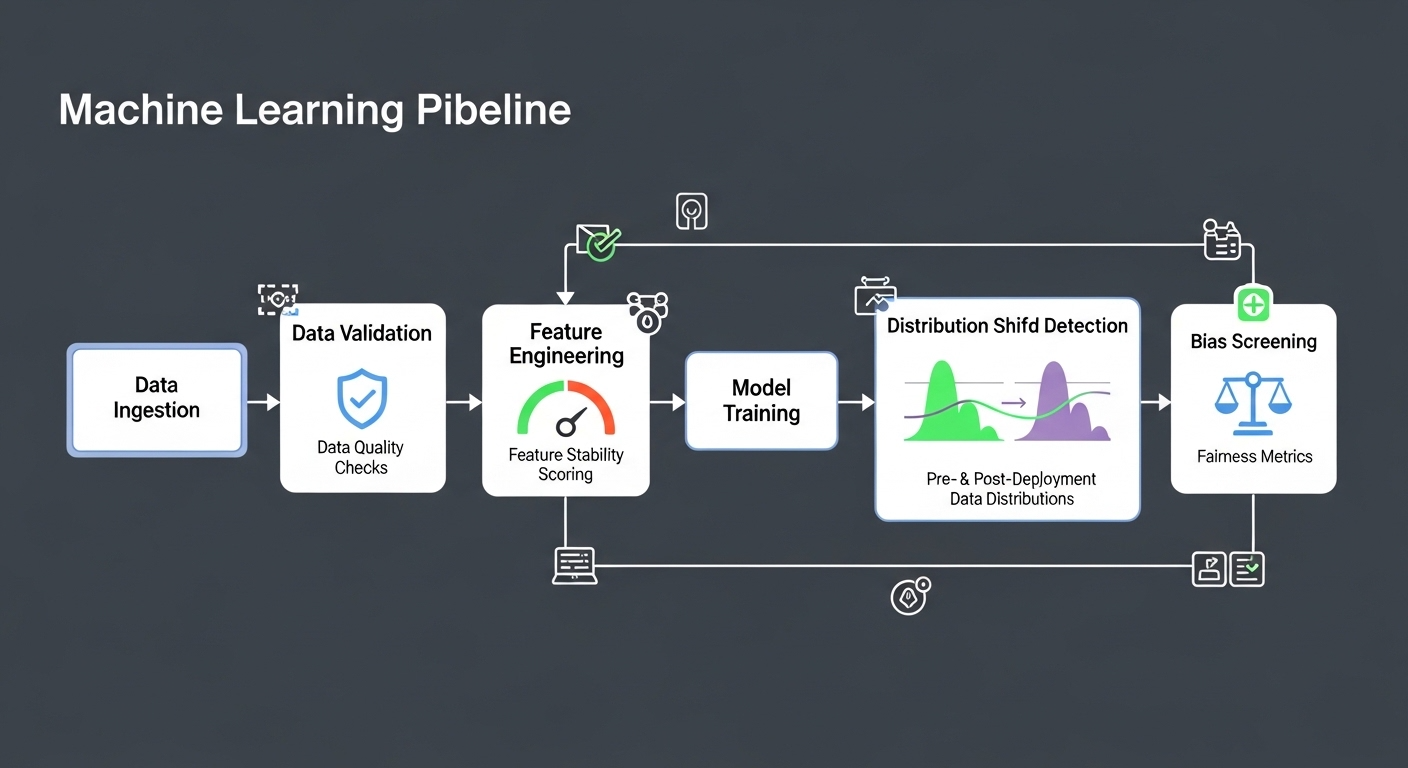
Automated Schema Validation

Ensures structure matches expected definitions.

Missing Value Impact Analysis

Measures how missing data affects model performance.

Distribution Shift Detection

Compares new data with historical baselines to detect drift.

Feature Reliability Index

Scores each feature based on stability and predictive contribution.

Bias and Fairness Screening

Identifies disproportionate representation across sensitive attributes.

These tools generate dashboards that allow data teams to approve or reject datasets before use.

Data Quality Scoring in Real-Time Systems

With the rise of real-time machine learning systems, static validation is insufficient.

Organizations are implementing:

  • Continuous data monitoring
  • Real-time anomaly detection
  • Streaming quality validation
  • Drift alerts before model degradation

Quality scoring is now ongoing not one-time.

The Cultural Shift: From Data Volume to Data Integrity

In the past, success was often measured by the size of a dataset.

Today, quality matters more than quantity.

High-integrity datasets enable:

  • Better generalization
  • Faster model convergence
  • More explainable predictions
  • Increased stakeholder trust

Data integrity has become a strategic asset.

Challenges in Implementing Data Quality Scoring

Despite its benefits, organizations face challenges:

1. Standardization Across Teams

Different teams may define “quality” differently.

2. Tool Integration

Integrating scoring tools into existing pipelines requires architectural planning.

3. False Confidence

A high data quality score does not guarantee perfect predictions. Human oversight remains essential.

However, the long-term gains outweigh these obstacles.

The Future of Data Quality Management

Looking forward, data quality scoring will evolve into:

  • AI-assisted quality diagnostics
  • Predictive quality degradation alerts
  • Self-healing data pipelines
  • Integrated governance dashboards

Eventually, data quality scoring will become as fundamental as version control in software development.

It will not be optional it will be embedded.

Conclusion

Data quality scoring is becoming standard because the cost of ignoring it is too high. As machine learning systems become more embedded in business-critical decisions, organizations must ensure that the foundation their data is reliable, fair, and consistent.

By implementing structured data quality scoring frameworks, companies reduce risk, improve model performance, and strengthen trust in AI-driven outcomes.

In modern machine learning, success begins before training starts. It begins with data integrity.

For more information Connect with us
Leadership Empathy Is Now Scored and Measured

For decades, leadership empathy was viewed as a soft, intangible quality admirable, but difficult to define and nearly impossible to measure. It appeared in leadership books, corporate values statements, and keynote speeches. Yet when it came to executive evaluations, compensation frameworks, and board-level reporting, empathy was largely absent.

That dynamic has changed.

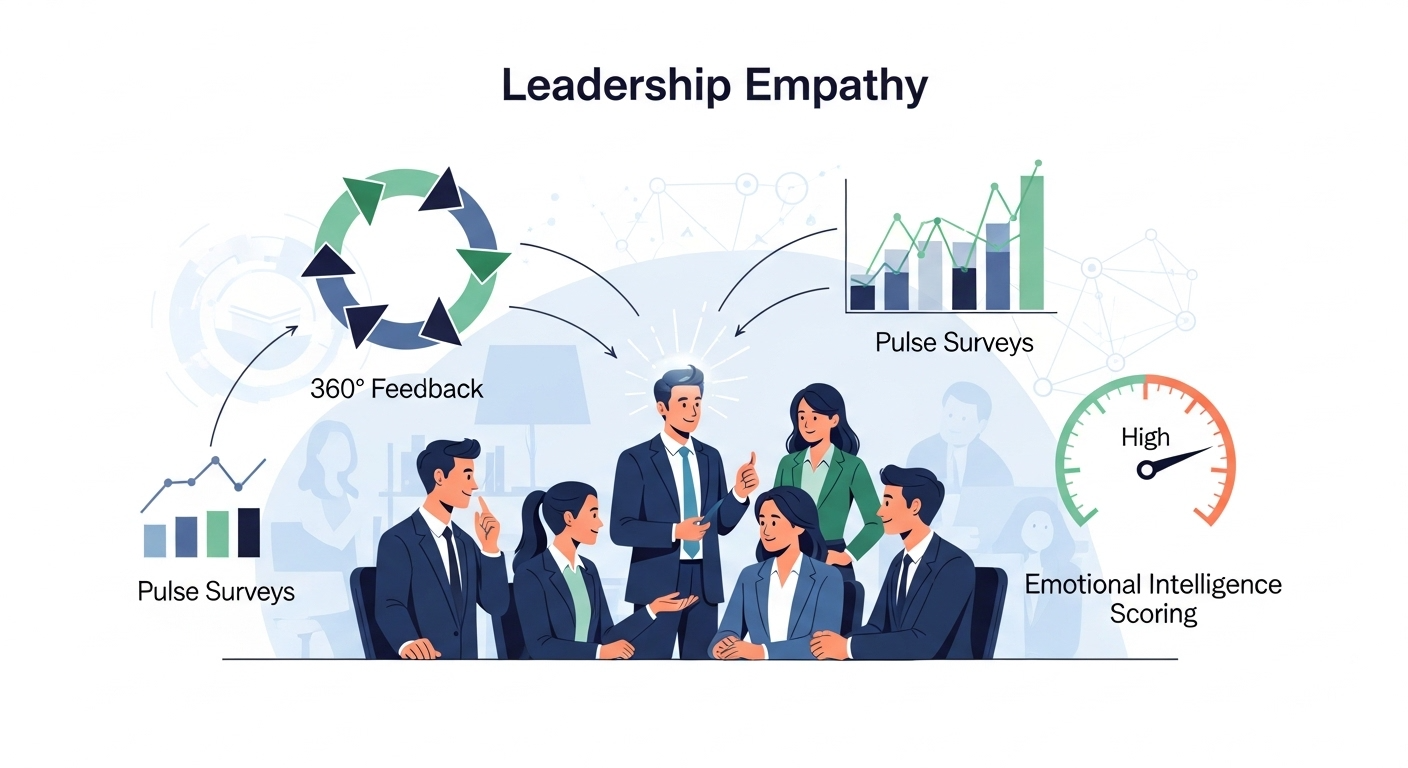
In 2026, leadership empathy is being scored, benchmarked, and integrated into formal performance management systems. Organizations are no longer satisfied with anecdotal impressions of emotional intelligence. They are building structured systems to measure how leaders listen, respond, support, and guide their teams.

Empathy has shifted from a personality trait to a performance metric.

Why Leadership Empathy Has Become a Strategic Priority

Modern organizations operate in environments defined by uncertainty, digital acceleration, distributed teams, and generational workforce shifts. Employees are navigating constant change remote collaboration, automation, restructuring, market volatility, and heightened performance expectations.

In this context, leadership style directly impacts organizational stability.

Employees now expect leaders to:

  • Communicate transparently
  • Recognize emotional strain
  • Support work-life boundaries
  • Handle conflict constructively
  • Encourage diverse perspectives
  • Provide psychological safety

Research consistently demonstrates that empathetic leadership increases engagement, reduces burnout, and strengthens retention. However, organizations have recognized that informal encouragement is not enough. Measurement drives accountability and accountability drives consistency.

The Evolution From “Soft Skill” to Measurable Capability

The shift toward measuring empathy is rooted in a broader transformation in management philosophy. Historically, leadership performance was evaluated primarily on:

  • Revenue growth
  • Operational efficiency
  • Project delivery
  • Budget management

While these metrics remain important, they do not capture how leaders influence team morale, psychological safety, or long-term sustainability.

Modern leadership evaluation frameworks now incorporate behavioral indicators such as:

  • Listening responsiveness
  • Feedback receptiveness
  • Conflict resolution approach
  • Inclusivity in decision-making
  • Emotional awareness during crisis

Empathy is now seen as a multiplier it enhances the effectiveness of every other leadership skill.

How Organizations Are Measuring Leadership Empathy

1. 360-Degree Emotional Intelligence Assessments

Multi-source feedback systems have become standard practice. These assessments collect data from:

  • Direct reports
  • Peers
  • Supervisors
  • Cross-functional collaborators

Participants evaluate leaders on behavioral competencies such as:

  • Active listening
  • Fair treatment
  • Stress management
  • Approachability
  • Respect for differing opinions

Aggregated results provide structured insight into how leadership behavior is perceived across the organization.

2. Real-Time Pulse Surveys

Many organizations now deploy short, frequent surveys integrated into internal platforms. These tools track:

  • Team sentiment
  • Perceived managerial support
  • Communication clarity
  • Psychological safety levels

Unlike annual engagement surveys, real-time pulse tools provide ongoing feedback, allowing organizations to identify trends and intervene early.

3. Empathy Metrics Linked to Leadership KPIs

Forward-thinking organizations are tying empathy-related scores to:

  • Performance reviews
  • Bonus eligibility
  • Promotion readiness
  • Leadership development plans

This formal integration ensures empathy is treated as a core competency rather than an optional quality.

4. Behavioral Analytics in Digital Communication

With the rise of remote work, digital communication has become central to leadership visibility. Some organizations are exploring:

  • Sentiment analysis in team communications
  • Response time metrics
  • Feedback loop participation rates

While these tools require careful ethical consideration, they reflect the seriousness with which empathy is being operationalized.

The Link Between Empathy and Psychological Safety

Psychological safety the ability to express ideas and concerns without fear is increasingly recognized as a performance driver.

Empathetic leaders contribute to psychological safety by:

  • Responding constructively to mistakes
  • Encouraging dissenting opinions
  • Modeling vulnerability
  • Demonstrating emotional self-regulation

When psychological safety improves, teams are more likely to:

  • Share innovative ideas
  • Raise risks early
  • Collaborate effectively
  • Adapt to change

Empathy strengthens organizational resilience.

The Business Impact of Measured Empathy

Measuring leadership empathy is not symbolic. It produces tangible business outcomes.

Organizations with high empathy scores often experience:

  • Lower voluntary turnover
  • Reduced absenteeism
  • Higher productivity
  • Stronger collaboration across departments
  • Improved customer satisfaction

Trust, built through empathetic leadership, accelerates decision-making and reduces friction. Teams aligned through trust execute faster and more efficiently.

In competitive markets, speed and cohesion create strategic advantage.

Addressing Concerns About Measuring Empathy

While the move toward quantification is beneficial, it raises valid concerns.

1, Oversimplification

Leadership Empathy cannot be reduced to a single score. Organizations must combine quantitative metrics with qualitative insights.

2. Bias and Subjectivity

Feedback systems must account for unconscious bias and cultural variation.

3. Balancing Empathy With Accountability

Effective leaders balance empathy with decisiveness. Measurement frameworks should avoid rewarding passivity under the guise of empathy.

Successful organizations design empathy metrics that reinforce constructive leadership, not avoidance of difficult decisions.

Leadership Development in the Age of Empathy Metrics

As empathy becomes measurable, leadership development programs are evolving.

Training now focuses on Leadership Empathy :

  • Emotional intelligence coaching
  • Active listening exercises
  • Conflict navigation techniques
  • Bias awareness
  • Stress regulation strategies

Development pathways are informed by empathy assessment results, creating personalized growth plans for leaders.

This data-driven development approach ensures continuous improvement rather than one-time training events.

Generational Expectations and Empathy

Millennial and Gen Z professionals place high value on:

  • Transparent communication
  • Work-life integration
  • Inclusive environments
  • Authentic leadership

Organizations that ignore these expectations risk losing talent. Measuring empathy signals commitment to modern workforce priorities.

Empathy is no longer optional it is an expectation.

The Future of Empathy Measurement

Looking ahead, empathy measurement will likely evolve further.

Emerging trends include:

  • AI-assisted sentiment analytics
  • Continuous micro-feedback tools
  • Leadership dashboards integrating emotional intelligence data
  • Predictive analytics linking empathy scores to retention risk

Leadership evaluation will become increasingly holistic, combining operational performance with behavioral impact.

Empathy will remain central to that framework.

Conclusion

Leadership empathy has transitioned from an abstract ideal to a measurable, accountable leadership capability. By embedding empathy into evaluation systems, organizations transform culture from aspiration to structure.

Measuring empathy strengthens trust, supports psychological safety, improves retention, and enhances performance. It aligns leadership behavior with modern workforce expectations and long-term strategic goals.
In 2026 and beyond, leadership will not be judged solely by outcomes, but by the manner in which those outcomes are achieved.

Empathy is no longer invisible. It is part of the scorecard.

For more information Connect with us
How Startup Funding Is Unlocking New Opportunities Across Europe

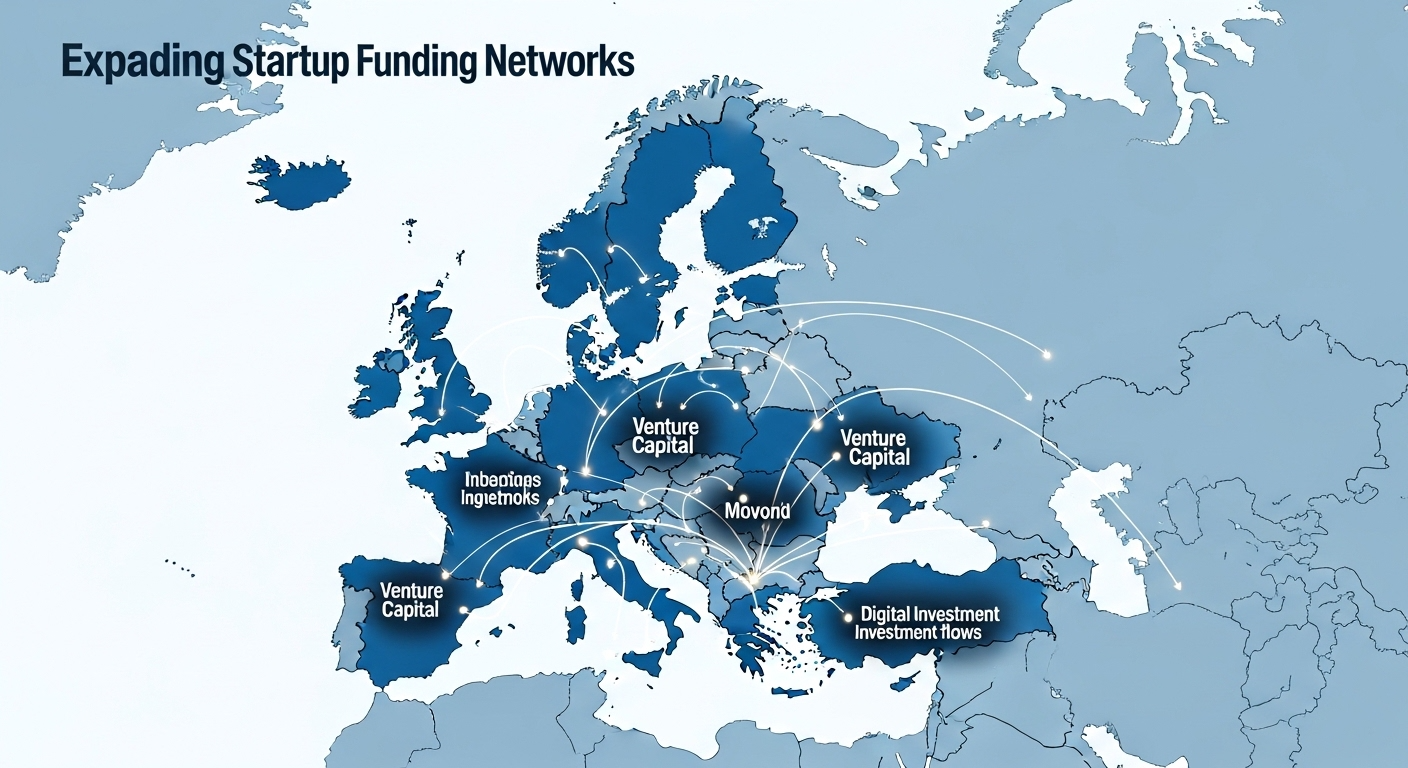
For more than a decade, European tech funding has been dominated by a handful of major hubs cities like London, Berlin, Paris, and Stockholm. These ecosystems became magnets for investors, policymakers, founders, and talent. But something significant is happening in 2026: startup funding is decentralizing across Europe.

Today’s trend reflects a deeper shift in how capital flows, how ecosystems mature, and how founders think about growth. It’s not just about where you raise money it’s about where your business can scale sustainably.

This change has profound implications for founders, investors, and consultants alike.

The Traditional European Funding Landscape

Historically, European startups faced a clear reality:

  • Capital was concentrated in a few major tech hubs
  • Early-stage funding was harder outside metro centers
  • Investors preferred familiar ecosystems
  • Talent gravitated toward big-city networks

Startup Funding model worked while Europe’s startup infrastructure was emerging. Concentration created flywheel effects communities, accelerators, angels, and later-stage funds clustered in predictable places.

But as the continent’s digital economy matured, so did the limitations of this model.

Why Decentralization Is Happening Now

Several forces are driving this shift:

1. Regional Governments Are Actively Funding Startups

Across Europe, cities and regions are launching their own investment funds, innovation grants, and co-investment programs. For example:

  • Spain and Portugal are offering competitive tech grants
  • Nordic countries are co-investing with private funds
  • CEE countries are creating early-stage matching programs

Public capital is seeding ecosystems that were previously overlooked.

This reduces dependency on traditional VC hubs and empowers local entrepreneurs.

2. Remote Work Has Permanently Changed Geography

The pandemic demonstrated that tech work does not require physical proximity. Today:

  • Founders can build teams distributed across countries
  • Investors participate in remote pitches
  • Global acceleration programs can scout regional startups

This means startups can raise capital without relocating, and investors are scouting talent beyond traditional centers.

3. Sophisticated Angel Networks Are Emerging Outside Big Cities

Previously, seed capital was dominated by Angel groups in London or Berlin.

Now we see:

  • Cross-border angel syndicates
  • Regional business angel networks
  • Founders angel investing locally
  • Micro-VCs emerging in smaller European markets

Startup Funding gives regional startups earlier access to capital and mentorship.

4. EU Policy and Funds Encourage Distributed Growth

The European Union has shifted funding programs to reward inclusivity and regional scaling.

Initiatives such as:

  • EU Innovation Funds
  • Horizon grants
  • Regional digital transformation funds

These programs focus on spreading capital across member states not just traditional hubs.

This trend will only grow in the next decade.

What Decentralization Means for Founders

1. You’re No Longer Forced to Relocate

A decade ago, relocating to a major city was often a prerequisite for serious funding. Today:

  • Investors meet founders virtually
  • Regional accelerators have funding partnerships
  • Ecosystem maturity is being built outside capitals

This democratizes opportunity and reduces the cost and disruption of relocation.

2. You Can Build Local Advantage

Startups outside big cities now have unique strengths:

  • Proximity to local industries
  • Lower operating costs
  • Access to regional talent
  • Less competition for attention

These advantages can become differentiators for investor interest.

3. Localization Attracts Specialized Investors

Investors are increasingly specializing by sector and region because:

  • Industry clusters drive strategic value
  • Regional partners reduce regulatory friction
  • Local capital is patient capital

This means startups with strong product-market fit in niche regional markets can secure better-aligned Startup Funding.

What This Means for Investors

The decentralization trend isn’t just good for founders it’s strategic for investors too.

1. Early Mover Advantage in New Ecosystems

Investors who engage early in smaller, rising ecosystems get access to:

  • Less competition for deals
  • Higher ownership concentration
  • First rights to future growth companies

Startups with strong regional traction often scale globally.

2. Better Valuation Discipline

Decentralized markets often offer more disciplined valuation environments than overheated hubs.

This leads to:

  • More sustainable investment returns
  • Higher capital efficiency
  • Portfolio resilience

Investors can optimize deployment strategies by combining urban and regional deals.

3. Collaboration With Regional Funds

Major VCs are increasingly partnering with regional funds accelerating scout networks and deal flow.

Examples include:

  • Co-investment agreements
  • Regional syndicate partnerships
  • Shared due diligence frameworks

This expands investment coverage across Europe efficiently.

Why This Trend Aligns With Startup Consulting

Consultants advising founders now need to incorporate geographic strategy into fundraising planning.

Advisory practices are evolving to include:

1. Cross-Border Funding Strategies

Guidance on:

  • Regional grants versus VC capital
  • EU funding eligibility
  • Investor networks outside major hubs
  • Pitch adaptation for different investor types

This is no longer niche consulting. it’s core advice.

2. Ecosystem Mapping & Growth Planning

Startup consultants now help founders:

  • Evaluate regional ecosystem strengths
  • Build networks early with local angels and funds
  • Leverage government-backed programs
  • Access cross-border acceleration platforms

This contextual consulting adds measurable value.

3. Hybrid Fundraising Support

Consultants now:

  • Prepare funding decks optimized for multiple markets
  • Coach teams on diverse investor expectations
  • Create stage-based fundraising roadmaps
  • Support remote investor relations

This hybrid model reflects the decentralization trend.

Challenges That Still Remain

Despite the positive trend, decentralization is not without challenges:

1. Uneven Ecosystem Maturity

Regional ecosystems vary in:

  • Mentorship availability
  • Later-stage fund availability
  • Market access

Some regions are still maturing.

2. Talent Shortages

Smaller markets may lack deep engineering or domain-specific talent, requiring strategic hiring plans or remote teams.

3. Investor Confidence Gaps

Investors still show bias toward known ecosystems; overcoming perception barriers is ongoing work.

The Future of European Startup Funding

As we move deeper into the decade:

  • Multinational accelerators will establish remote-first scouting
  • Cross-border syndicates will standardize co-investment
  • EU-funded programs will reward decentralization
  • Regional innovation clusters will crystallize into global players

What used to be emerging is now strategic.

Europe’s startup funding map is expanding and founders should treat geography as a strategic advantage, not a limitation.

Conclusion

The decentralization of European startup funding is real, measurable, and accelerating. Capital is flowing into smaller ecosystems, governments are incentivizing regional growth, remote work has removed physical constraints, and investors are adapting their models.

For founders, this means:

  • More capital accessibility
  • More funding options
  • Geographical freedom
  • Strategic alignment with local markets

For advisors and consultants, it means:

  • Evolving funding frameworks
  • Broader investor networks
  • More nuanced growth strategies

European startup funding is no longer confined to a few metro hubs. The next wave of innovation will come from everywhere.

And the startups and advisors who see opportunity beyond the obvious will be the ones that lead Europe’s next generation of tech success stories.

For more information Connect with us
Advanced Threat Modeling Strategies for Stronger Security Testing in 2026

For years, threat modeling was treated as a separate security exercise typically conducted at the beginning of a project or during compliance reviews. Functional testing, on the other hand, focused purely on validating whether a system behaved as expected.

In 2026, that separation is disappearing.

Threat modeling is increasingly being embedded directly into functional test suites, transforming security from a periodic checkpoint into a continuous validation mechanism. This shift reflects a broader change in how organizations approach software quality, risk management, and digital resilience.

The Traditional Gap Between Testing and Security

Historically, functional testing answered one primary question:

Does the system work as intended?

Security testing, meanwhile, asked:

Can the system be exploited?

Because these efforts were handled by separate teams and tools, critical vulnerabilities often emerged late in the development lifecycle. Threat modeling sessions were conducted as documentation exercises rather than operational safeguards.

This siloed model no longer works in environments defined by:

  • Continuous integration and deployment
  • Cloud-native infrastructure
  • API-driven architectures
  • Rapid feature releases

Security risks evolve at the same speed as application code.

What It Means to Integrate Threat Modeling Into Functional Testing

When threat modeling becomes part of functional test suites, it changes how requirements are written, how tests are designed, and how systems are validated.

Instead of testing only for expected behavior, teams also test for:

  • Misuse scenarios
  • Privilege escalation attempts
  • Data exposure risks
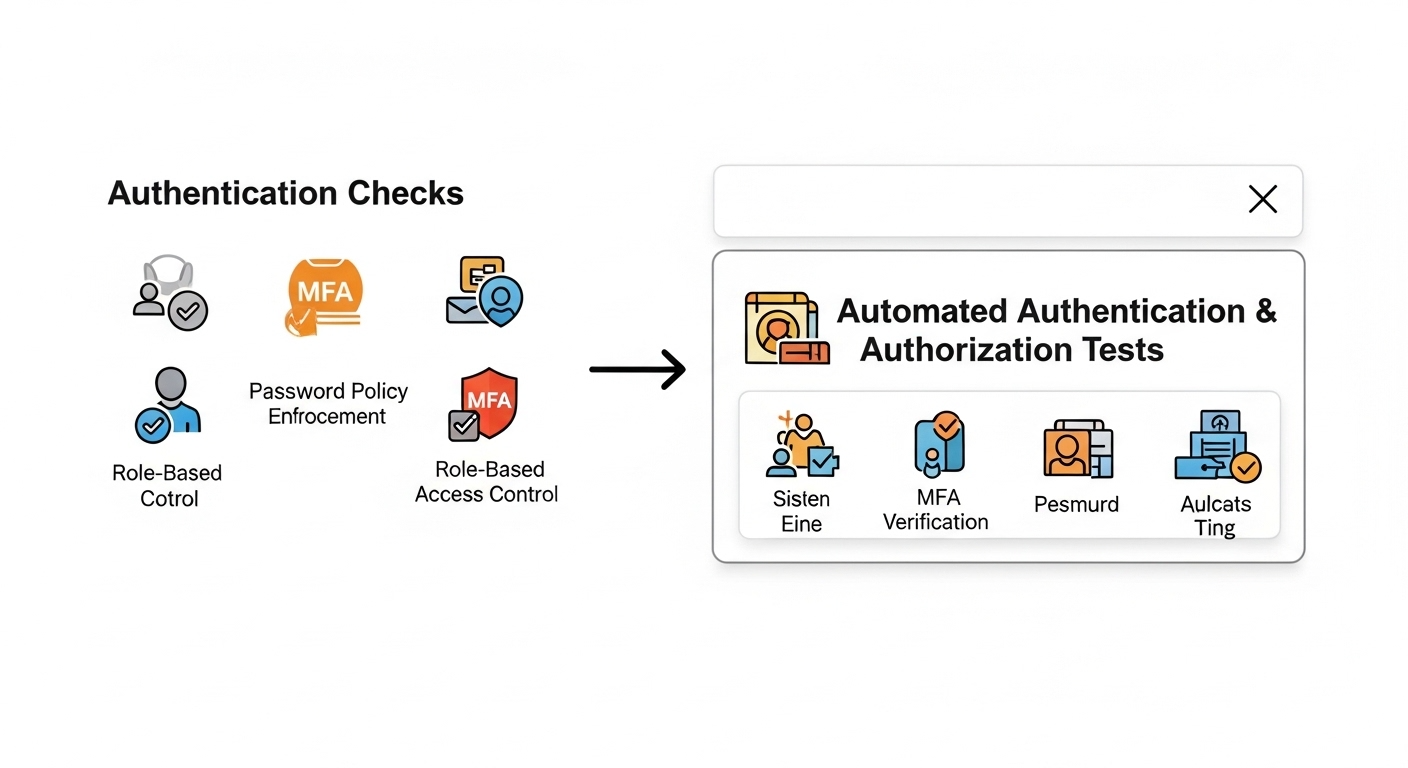
  • Authentication bypass conditions
  • Rate-limiting failures

Threat scenarios are translated into executable test cases.

This integration ensures that every functional validation cycle also verifies that security assumptions hold true.

Why This Shift Is Happening Now

Several factors are driving this transformation:

DevSecOps Maturity

Organizations have adopted DevSecOps practices, embedding security tools directly into CI/CD pipelines. As security becomes automated, it naturally aligns with automated testing frameworks.

API and Microservices Architecture

Modern systems expose numerous endpoints. Traditional perimeter security is insufficient. Threat modeling must evaluate how each service behaves under malicious conditions.

Rising Cost of Breaches

Data breaches, ransomware incidents, and compliance violations have demonstrated that reactive security is expensive. Prevention requires earlier detection of flawed logic.

Regulatory Pressure

Industries with strict compliance requirements now demand evidence of proactive risk identification. Integrated threat modeling supports auditability.

How Threat Modeling Enhances Functional Test Coverage

Embedding threat modeling improves test quality in multiple ways:

  • Functional tests simulate malicious input patterns
  • Authorization boundaries are validated automatically
  • Data flow paths are verified for exposure risks
  • Error handling is tested for information leakage

Testing evolves from confirming success cases to validating resilience.

In practice, this means:

  • Adding negative test cases
  • Simulating abnormal system states
  • Stress testing authentication workflows
  • Validating encryption enforcement

Security becomes measurable within quality metrics.

Related Articles: Why API-First Automation Is Transforming UI-Heavy Testing in 2026

From Static Diagrams to Dynamic Validation

Traditional threat modeling often relied on architectural diagrams and static analysis sessions. While valuable, these methods lacked continuous validation.

Modern integration converts threat models into:

  • Automated security assertions
  • Pipeline-based validation scripts
  • Continuous compliance checks
  • Runtime behavior monitoring triggers

Threat intelligence feeds can even update test logic dynamically.

This shift moves threat modeling from theoretical risk discussion to executable security enforcement.

Organizational Impact of Integrated Threat Modeling

When threat modeling becomes part of functional testing, organizational dynamics change.

Development Teams

Developers become more aware of potential abuse cases and design with defensive patterns.

QA Teams

Quality assurance expands scope beyond correctness to include resilience testing.

Security Teams

Security professionals collaborate earlier and continuously rather than acting as late-stage gatekeepers.

This collaborative approach reduces friction and shortens remediation cycles.

Benefits of Integrating Threat Modeling Into Functional Test Suites

Organizations that adopt this model experience:

  • Earlier detection of logical vulnerabilities
  • Reduced false positives from standalone security scans
  • Improved compliance documentation
  • Faster release cycles with lower risk
  • Greater confidence in production stability

Security becomes an inherent characteristic of the system rather than an external overlay.

Challenges to Consider

Despite its advantages, integration requires:

  • Skilled cross-functional collaboration
  • Updated test automation frameworks
  • Clear threat modeling methodologies
  • Ongoing maintenance of threat scenarios

However, the long-term reduction in breach risk outweighs the initial implementation effort.

The Future of Security Testing

Looking forward, threat modeling will likely integrate with:

  • AI-driven anomaly detection
  • Behavior-based risk scoring
  • Continuous runtime validation
  • Automated exploit simulation

Functional test suites will not only verify that systems work they will verify that systems resist exploitation.

Security testing and functional testing will become inseparable components of quality engineering.

Conclusion

Threat modeling is no longer a standalone documentation task. It is becoming a practical, automated, and measurable part of functional test suites.

As digital systems grow more interconnected and complex, security cannot remain a separate phase. It must be validated continuously, alongside performance and reliability.

Organizations that integrate threat modeling into functional testing frameworks build more resilient software, reduce risk exposure, and strengthen long-term digital trust.

In modern software engineering, functionality without security is incomplete. Integrated threat validation is the new standard.

For more Details let’s connect on Contact Us

Cybersecurity Strategies That Protect Your Business from Serious Threats

Cybersecurity is no longer a secondary consideration in digital transformation. It is a foundational requirement. As enterprises accelerate cloud adoption, API integration, automation, and data exchange, the traditional “bolt-on” security model has become obsolete.

In the past, organizations would design systems, deploy applications, and then involve security teams for final testing. That approach worked when IT environments were static and perimeter-based. Today’s digital ecosystems are dynamic, distributed, and continuously evolving. Security must evolve accordingly.

Modern cybersecurity is designed into architecture from the very beginning.

The Shift From Reactive to Proactive Cybersecurity

Historically, It is focused on perimeter defense firewalls, antivirus software, and network gateways. The idea was to protect the boundary and assume internal systems were safe.

However, with cloud infrastructure, remote work, SaaS applications, and API-driven platforms, the perimeter has disappeared. Attack surfaces are constantly changing. Cyber threats are more sophisticated, automated, and financially motivated.

This shift has forced organizations to move from reactive security responses to proactive, built-in cybersecurity strategies. Instead of responding to incidents, companies now focus on preventing vulnerabilities during development and deployment.

Why Bolt-On Cybersecurity Fails in Modern IT Environments

Bolt-on cybersecurity introduces risk because:

  • Security gaps are discovered too late in development
  • Infrastructure misconfigurations go unnoticed until exposed
  • Vulnerabilities are patched instead of prevented
  • Compliance requirements become last-minute obstacles
  • Security teams operate separately from engineering teams

This reactive model increases operational friction and creates unnecessary exposure.

In contrast, built-in cybersecurity embeds security controls directly into architecture, workflows, and governance processes.

Security by Design: The New Enterprise Standard

Security by design means its principles are integrated throughout the software development lifecycle and infrastructure planning stages.

This includes:

  • Secure coding practices from the first line of code
  • Automated vulnerability scanning in CI/CD pipelines
  • Dependency monitoring for third-party libraries
  • Identity-based access controls
  • Encryption at rest and in transit
  • Continuous compliance validation

Cybersecurity becomes an ongoing process rather than a one-time review.

DevSecOps: Integrating Cybersecurity Into Delivery

One of the most significant evolutions in cybersecurity is the rise of DevSecOps the integration of development, security, and operations.

Under DevSecOps:

  • Security testing runs automatically with every code commit
  • Infrastructure-as-code configurations are validated before deployment
  • Secrets management is automated
  • Policy enforcement is embedded into pipelines

It is shifts left in the development lifecycle, identifying risks before systems reach production.

This approach reduces breach probability and improves release confidence.

Zero Trust Architecture and Continuous Verification

Another major cybersecurity advancement is the adoption of zero trust architecture.

Zero trust operates on a simple principle: never trust, always verify.

Every user, device, API call, and system interaction must be authenticated and authorized continuously. This includes:

  • Multi-factor authentication
  • Least-privilege access policies
  • Micro-segmentation of networks
  • Continuous monitoring of behavioral anomalies

It becomes identity-driven rather than perimeter-based.

Cybersecurity in Cloud-Native Environments

Cloud adoption has redefined cybersecurity responsibilities. Shared responsibility models require organizations to secure:

  • Application layers
  • Access permissions
  • Data storage configurations
  • API gateways
  • Container environments

That is integrates tools such as:

  • Cloud security posture management (CSPM)
  • Real-time threat detection
  • Automated compliance audits
  • Infrastructure configuration monitoring

This proactive approach prevents misconfigurations that often lead to breaches.

The Business Case for Built-In Cybersecurity

It is not only a technical necessity it is a business imperative.

Data breaches result in:

  • Financial penalties
  • Regulatory fines
  • Legal exposure
  • Reputational damage
  • Customer attrition

The cost of remediation significantly exceeds the cost of prevention.

Organizations that build cybersecurity into their systems experience:

  • Reduced downtime
  • Improved regulatory compliance
  • Stronger stakeholder trust
  • Faster incident response
  • Greater operational resilience

It’s directly impacts long-term business stability.

Governance, Compliance, and Executive Responsibility

Modern cybersecurity requires executive oversight. Boards and C-level leadership must now:

  • Define acceptable risk levels
  • Allocate budgets
  • Align security metrics with business KPIs
  • Review incident response readiness
  • Promote company-wide security awareness

That strategy is now inseparable from digital strategy.

Without executive alignment, built-in cybersecurity initiatives lose effectiveness.

The Future of Cybersecurity Architecture

This will continue evolving toward automation and intelligence.

Emerging developments include:

  • AI-driven threat detection
  • Automated response playbooks
  • Behavioral anomaly monitoring
  • Compliance-as-code frameworks
  • Integrated security analytics dashboards

Security will increasingly operate as a self-adjusting layer within enterprise systems.

The goal is not visible security it is resilient architecture.

Conclusion

Cybersecurity is no longer an optional enhancement or final-stage audit. In a world of continuous deployment, cloud-native systems, distributed APIs, and evolving threat landscapes, security must be embedded into the DNA of digital systems.

Organizations that treat it as infrastructure not an accessory build stronger, more resilient digital ecosystems. Those that rely on bolt-on defenses increase exposure with every integration and every deployment.

In today’s digital economy, It is not a feature. It is the foundation of sustainable transformation.

For more Details let’s connect on Contact Us

Amazon Introduces Creative Agent for Ads: A New Era of AI-Driven Advertising

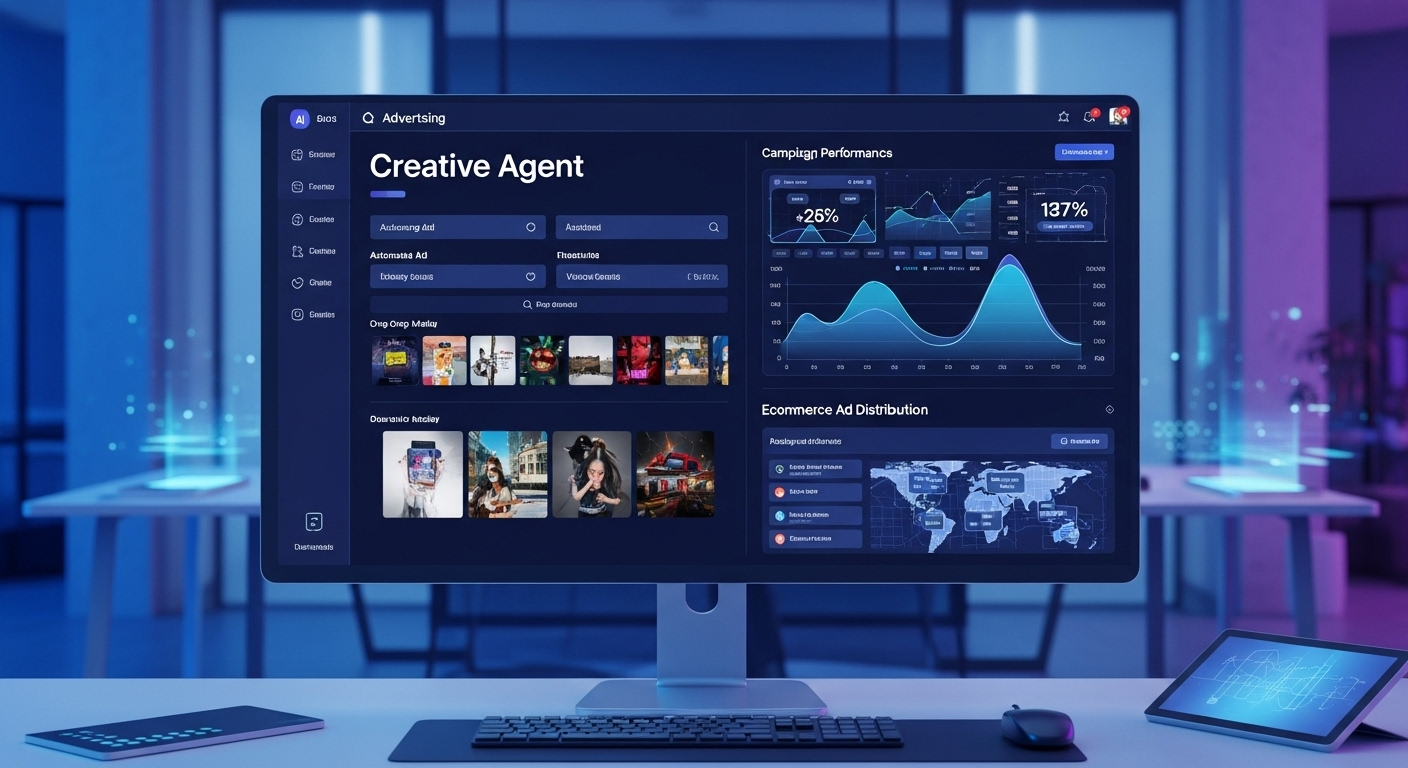
The advertising industry is undergoing a massive transformation, and Creative Agent is at the center of this evolution. Introduced within the advertising ecosystem of Amazon, this AI-powered tool is designed to help businesses generate, optimize, and scale ad campaigns using intelligent automation.

Unlike traditional ad builders that require manual creative design and campaign setup, Creative Agent works as a strategic AI partner. It interprets your campaign objectives, generates multiple ad variations, integrates performance insights, and continuously optimizes output all from a simple prompt.

This marks a shift from manual advertising workflows to AI-driven creative orchestration.

What Is Creative Agent?

Creative Agent is an AI-powered advertising assistant that helps businesses:

  • Generate ad creatives (images, videos, and copy)
  • Produce multiple headline and CTA variations
  • Suggest targeting strategies
  • Optimize creatives for different placements
  • Scale campaigns across Amazon’s ad network

Instead of building campaigns asset by asset, marketers can now describe their goal in plain language. The system then produces ready-to-launch ad variations aligned with performance insights.

Example prompt:

“Create a video and display ad campaign for a premium fitness smartwatch targeting young professionals.”

Within minutes, Creative Agent can generate:

  • Video scripts
  • Display banner variations
  • Product-focused headlines
  • Audience suggestions
  • Budget allocation recommendations

The Technology Behind Creative Agent

Creative Agent combines multiple AI technologies:

Generative AI

Creates visual assets, video previews, ad copy, and voiceovers tailored to the brand’s tone.

Natural Language Processing (NLP)

Understands marketer prompts and translates business goals into structured campaigns.

Predictive Performance Modeling

Analyzes historical ad data to recommend formats, placements, and messaging likely to convert.

Automated A/B Testing

Produces multiple creative variations automatically for performance comparison.

This integration of intelligence and automation dramatically reduces creative production time.

Why Creative Agent Matters for Businesses

Faster Campaign Deployment

Creative development that once took days or weeks can now happen in minutes.

Lower Production Costs

Small businesses without design teams can produce professional-quality creatives.

Data-Driven Creativity

Creative decisions are guided by analytics rather than assumptions.

Real-Time Optimization

Campaign performance insights continuously inform creative adjustments.

Impact on E-Commerce Sellers

For Amazon marketplace sellers, Creative Agent removes many traditional barriers to advertising success.

Previously, launching ads required:

  • Professional product photography
  • Copywriting expertise
  • Video production
  • Performance analytics skills

Now, sellers can:

  • Input product details
  • Allow the AI to create assets
  • Launch optimized campaigns quickly
  • Iterate rapidly based on data

This democratizes advanced advertising capabilities.

What It Means for Agencies and Enterprises

Agencies and enterprise brands benefit differently:

  • Rapid creative ideation for clients
  • Faster campaign testing cycles
  • Reduced operational bottlenecks
  • Ability to scale personalization at volume
  • Improved ROI measurement

Rather than replacing creative teams, Creative Agent acts as a productivity amplifier, enabling professionals to focus on strategic storytelling and brand positioning.

From Automation to Intelligent Orchestration

Traditional marketing automation follows rule-based workflows. Creative Agent introduces adaptive intelligence:

  • It interprets goals
  • Generates creative options
  • Tests variations
  • Learns from performance
  • Adjusts strategies dynamically

This represents the evolution from automation to autonomous creative execution.

Important Considerations

While Creative Agent offers powerful capabilities, businesses should maintain:

  • Brand guideline consistency
  • Compliance with advertising regulations
  • Human oversight in final approvals
  • Strategic review of AI-generated messaging

AI accelerates execution, but strategic direction still requires human leadership.

The Future of Creative Advertising

Creative Agent reflects a larger industry trend: AI is becoming a creative collaborator rather than just a productivity tool.

In the near future, we can expect:

  • AI-generated dynamic ads personalized per viewer
  • Real-time creative adjustments based on browsing behavior
  • Automated campaign scaling across global markets
  • Deeper integration between AI and customer data platforms

Advertising will move toward intelligent systems that continuously learn and evolve.

Conclusion

Creative Agent represents a significant milestone in the evolution of digital advertising. By combining generative AI, predictive analytics, and automated optimization, it transforms how campaigns are created, tested, and scaled. What once required multiple teams and extended production timelines can now be executed with speed and precision through intelligent automation.

However, the real power of Creative Agent lies not just in efficiency but in empowerment. It enables businesses of all sizes to compete with smarter, data-driven advertising strategies while freeing marketers to focus on creativity, brand storytelling, and long-term growth. As AI continues to shape the marketing landscape, tools like Creative Agent will define the next generation of high-performance advertising.

For more Details let’s connect on Contact Us

Autonomous Orchestration: 5 Powerful Strategies Transforming Marketing Workflows

Marketing automation has moved far beyond scheduled email sequences and rule-based drip campaigns. Today, we are witnessing the rise of autonomous orchestration of marketing workflows a transformational shift where AI systems don’t just execute predefined instructions, but intelligently manage, optimize, and evolve entire customer journeys in real time.

This evolution represents a move from automation to intelligent autonomy. Instead of marketers manually configuring every branch of a workflow, AI now monitors behavior, predicts intent, adjusts messaging, and reallocates resources automatically.

The result? Marketing that is faster, smarter, and continuously improving.

What Is Autonomous Orchestration?

Autonomous orchestration refers to AI-powered systems capable of:

  • Continuously analyzing customer behavior
  • Dynamically triggering multi-step, cross-channel journeys
  • Optimizing messaging and timing in real time
  • Adjusting budget allocation automatically
  • Predicting next-best actions for each individual user

Traditional automation follows if-this-then-that logic. Autonomous orchestration uses machine learning to make decisions based on patterns, probability, and behavioral signals.

Example Scenario

A prospect:

  • Visits your website
  • Downloads a whitepaper
  • Watches 50% of a product demo
  • Opens but does not click a follow-up email

An autonomous system will:

  • Recalculate lead score
  • Identify drop-off friction
  • Send a personalized case study
  • Trigger retargeting ads
  • Alert sales with contextual insights

All without manual reconfiguration.

Why Traditional Automation Is No Longer Enough

For years, marketing automation platforms focused on efficiency sending emails at scale, nurturing leads with structured paths, and tracking engagement metrics.

However, modern customers:

  • Switch between devices frequently
  • Engage across multiple channels
  • Expect personalization
  • Respond differently based on timing and context

Static workflows cannot keep up with dynamic consumer behavior.

Autonomous orchestration solves this by enabling real-time adaptive marketing journeys instead of fixed campaign flows.

Core Technologies Powering Autonomous Orchestration

This evolution is driven by multiple AI-driven components:

Predictive Analytics

Forecasts user intent, churn probability, and conversion likelihood.

Generative AI

Creates personalized content variations subject lines, ad copies, landing pages automatically.

Behavioral Tracking Engines

Monitor user interactions across websites, apps, email, social media, and CRM systems.

AI Decision Engines

Select optimal channels, timing, and messaging based on live performance data.

Unified Customer Data Platforms (CDPs)

Ensure data from all touchpoints feeds into a centralized intelligence layer.

Major marketing platforms such as HubSpot, Salesforce, and Adobe are embedding AI-driven orchestration capabilities into their ecosystems to enable these intelligent workflows.

Business Impact and Strategic Advantages

Autonomous orchestration is not just a technical upgrade it fundamentally changes marketing performance.

Higher Conversion Rates

AI adapts content, timing, and channel mix based on individual user behavior, increasing relevance.

Faster Campaign Iteration

Instead of waiting for monthly performance reviews, optimization happens continuously.

Improved ROI

Budget allocation shifts automatically toward high-performing audiences and channels.

Scalable Personalization

One-to-one marketing becomes achievable at enterprise scale.

Stronger Sales Alignment

Real-time behavioral insights provide sales teams with actionable, contextual intelligence.

From Campaigns to Continuous Journey Management

One of the biggest mindset shifts is moving from “campaign-based marketing” to “continuous journey orchestration.”

Traditional mindset:

  • Launch campaign
  • Monitor metrics
  • Adjust manually

Autonomous mindset:

  • Define objectives
  • Allow AI to test and adapt continuously
  • Monitor strategic KPIs instead of tactical execution

Marketing teams shift from operators to strategists.

Challenges and Governance Considerations

While autonomous orchestration offers immense potential, it requires maturity in:

  • Data quality and integration
  • Privacy compliance and consent management
  • AI governance policies
  • Performance monitoring frameworks

Without clean data and oversight, intelligent automation can amplify mistakes quickly.

Successful implementation requires:

  • Clear business goals
  • Human supervision
  • Ethical AI practices
  • Cross-functional collaboration between marketing, IT, and analytics teams

The Future of Marketing Is Autonomous

As AI continues to evolve, autonomous orchestration will likely become the standard rather than the exception. Marketing systems will increasingly operate like intelligent ecosystems constantly learning, adapting, and optimizing across channels.

In the near future, marketers will focus primarily on:

  • Strategy
  • Brand positioning
  • Creative direction
  • Customer experience innovation

While AI handles:

  • Testing
  • Execution
  • Optimization
  • Scaling

The brands that adopt early will benefit from faster growth cycles, improved efficiency, and superior customer engagement.

Conclusion

Autonomous orchestration of marketing workflows represents the next frontier of marketing intelligence. By combining predictive analytics, generative AI, and real-time behavioral insights, businesses can shift from static automation to dynamic, adaptive customer journeys.

This transformation is not about replacing marketers it is about empowering them. Organizations that embrace intelligent orchestration will move beyond reactive campaign management and toward proactive, self-optimizing marketing ecosystems.

The future of marketing is not just automated it is autonomous.
 For more Details let’s connect on Contact Us

AI-Driven CI/CD: Powerful Features Transforming DevOps in 2026

The world of DevOps is evolving rapidly, and one of the most powerful accelerators behind this transformation is Artificial Intelligence (AI). In 2026, AI-driven CI/CD tools are no longer experimental they are becoming essential components of modern software delivery pipelines.

From predictive build analysis to automated rollback strategies, AI is redefining how teams build, test, deploy, and secure applications. In this blog, we explore the major AI-driven CI/CD tool features shaping the future of DevOps.

Why AI in CI/CD Matters Now

Traditional CI/CD pipelines rely heavily on predefined rules and manual optimizations. While effective, they often struggle with:

  • Flaky test failures
  • Slow build times
  • Infrastructure drift
  • Pipeline inefficiencies
  • Reactive troubleshooting

AI introduces data-driven intelligence into the pipeline, allowing systems to learn from historical runs and improve continuously.

Platforms like GitHub, GitLab, and CircleCI are embedding AI-driven CI/CD ecosystems.

1. Automated Test Impact Analysis (Smart Test Selection)

One of the biggest pain points in CI/CD is running unnecessary tests.

AI-driven CI/CD tools now analyze:

  • Code changes
  • Dependency graphs
  • Historical test coverage
  • Failure patterns

Using machine learning, these systems determine which tests are actually impacted by a commit. Instead of running 5,000 tests, your pipeline might run only 300 relevant ones.

Benefits:

  • 40–70% faster build times
  • Reduced compute costs
  • Lower developer wait time
  • Faster feedback loops

This feature is becoming standard in enterprise pipelines with large microservices architectures.

2. Predictive Build Failure Detection

Modern AI-driven pipelines can now predict whether a build is likely to fail before it finishes.

By analyzing:

  • Previous commit history
  • Branch patterns
  • Test flakiness data
  • Developer behavior patterns

AI models flag risky builds early.

Instead of waiting 20 minutes for failure, teams get real-time warnings like:

“This commit has a 75% probability of failing due to dependency mismatch.”

Impact:

  • Reduced wasted compute time
  • Faster issue triage
  • Higher developer productivity

3. Flaky Test Detection & Auto-Healing

Flaky tests are a nightmare in CI/CD. They:

  • Create false negatives
  • Block deployments
  • Reduce trust in pipelines

AI models now identify flakiness patterns by tracking:

  • Intermittent failures
  • Timing inconsistencies
  • Infrastructure variability

Advanced systems can even:

  • Auto-retry unstable tests intelligently
  • Quarantine flaky test suites
  • Suggest fixes based on similar historical patterns

This dramatically improves pipeline stability.

4. Intelligent Deployment Rollbacks

Rollback decisions used to rely on manual monitoring and reactive action.

Now, AI enhanced pipelines:

  • Monitor deployment health metrics
  • Detect anomalies in latency, error rates, and CPU usage
  • Compare behavior against historical baselines

If anomalies exceed safe thresholds, the system can:

  • Automatically initiate rollback
  • Recommend safe deployment versions
  • Trigger rollback workflows without human intervention

This is especially valuable in Kubernetes-based deployments.

AI + Kubernetes = Smarter Releases

With orchestration platforms like Kubernetes, AI-driven CI/CD tools are now integrating:

  • Intelligent canary analysis
  • Progressive delivery decisions
  • Resource usage prediction

AI determines whether a rollout should continue, pause, or revert.

This reduces downtime and protects revenue for high-traffic platforms.

5. AI-Based Security & Vulnerability Prioritization

DevSecOps has become a mandatory standard. However, security tools often overwhelm teams with alerts.

AI-driven CI/CD platforms now:

  • Prioritize vulnerabilities based on exploit likelihood
  • Analyze dependency risk patterns
  • Suggest patch versions intelligently

Rather than showing 200 vulnerabilities, the system highlights:

“These 3 vulnerabilities are high-risk and actively exploited.”

This improves remediation speed and reduces alert fatigue.

6. Pipeline Optimization & Cost Intelligence

AI systems analyze historical pipeline runs to optimize:

  • Job parallelization
  • Resource allocation
  • Cache strategies
  • Runner usage

For example:

  • Suggest optimal CPU/memory allocation
  • Reduce idle runner costs
  • Improve cache hit ratios

This is particularly useful for cloud-native CI/CD running on AWS, Azure, or GCP.

7. Natural Language Pipeline Assistance

One of the newest features in AI-driven CI/CD tools is conversational support.

Developers can now ask:

  • “Why did my last build fail?”
  • “Optimize this pipeline YAML.”
  • “Generate a CI workflow for a Node + Docker app.”

AI assistants embedded inside DevOps platforms analyze pipeline logs and provide contextual responses.

This reduces reliance on senior DevOps engineers and accelerates onboarding.

8. Automated Code-to-Infrastructure Mapping

Infrastructure-as-Code (IaC) tools like HashiCorp have seen AI enhancements where:

  • Infrastructure drift is detected automatically
  • Configuration errors are predicted before apply
  • Infrastructure cost anomalies are flagged

AI ensures infrastructure stays aligned with intended architecture.

Real-World Impact of AI in CI/CD

Organizations adopting AI-enhanced pipelines report:

  • 30–50% faster deployment cycles
  • Significant reduction in flaky builds
  • Improved MTTR (Mean Time to Recovery)
  • Lower cloud compute costs
  • Higher developer satisfaction

AI shifts CI/CD from reactive automation to predictive optimization.

Challenges & Considerations

Despite its advantages, AI-driven CI/CD brings challenges:

  • Model transparency (black-box decisions)
  • Data privacy concerns
  • Over-reliance on automation
  • False-positive risk predictions

Successful implementation requires:

  • Continuous model monitoring
  • Clear governance
  • Human-in-the-loop validation

AI should augment DevOps not replace engineering judgment.

The Future of AI-Driven CI/CD

We are moving toward pipelines that are:

  • Self-optimizing
  • Self-healing
  • Cost-aware
  • Security-aware
  • Context-aware

The next frontier includes:

  • Autonomous pipeline tuning
  • Zero-touch production deployment
  • AI-driven GitOps
  • Real-time business impact analysis of deployments

AI is no longer just assisting CI/CD it is reshaping how software delivery operates.

 For more Details let’s connect on Contact Us