

7 Powerful Ways AI Is Becoming Every Marketer’s Ultimate Copilot

Introduction

Marketing has entered a new era where artificial intelligence is no longer just a supporting technology to Marketer it is becoming an active partner in decision-making, creativity, customer engagement, and campaign execution. Across industries, AI-powered tools are transforming how marketers work by automating repetitive tasks, generating insights, personalizing customer experiences, and even creating content in real time.

In 2026, the phrase AI is becoming every marketer’s copilot perfectly describes the current state of digital marketing. Instead of replacing marketers, AI is helping them work smarter, faster, and more efficiently. Much like a copilot assists a pilot during a flight, AI supports marketers by handling complex data analysis, streamlining workflows, and offering intelligent recommendations while humans continue to guide strategy, creativity, and brand vision.

From small businesses to global enterprises, organizations are increasingly relying on AI-driven marketing platforms to remain competitive in an extremely fast-moving digital landscape. As customer expectations grow and marketing channels multiply, AI has become an essential companion for modern marketers.

What Does “AI Copilot” Mean in Marketing?

An AI copilot is an intelligent system that assists marketers throughout the marketing process. Rather than functioning as a simple automation tool, AI copilots actively analyze data, suggest improvements, predict outcomes, and optimize campaigns automatically.

These systems can:

  • Generate marketing content
  • Predict customer behavior
  • Automate workflows
  • Optimize advertising campaigns
  • Personalize communication
  • Analyze massive datasets
  • Improve customer targeting
  • Recommend strategic actions

AI copilots are integrated into:

  • Email marketing platforms
  • CRM systems
  • Social media management tools
  • Advertising platforms
  • Customer support systems
  • Content creation software
  • Analytics dashboards

The goal is not to remove humans from marketing but to amplify human creativity and strategic thinking.

Why AI Is Rapidly Transforming Marketing

The modern digital environment produces enormous amounts of customer data every second. Human teams alone cannot efficiently process this information at scale. AI solves this challenge by analyzing data instantly and converting it into actionable insights.

Several factors are accelerating AI adoption in marketing:

1. Rising Customer Expectations

Customers now expect:

  • Personalized experiences
  • Instant responses
  • Relevant recommendations
  • Consistent communication across channels

AI helps businesses meet these expectations by analyzing customer behavior in real time and automatically adapting campaigns accordingly.

2. Increased Marketing Complexity

Today’s marketers manage:

  • Multiple social platforms
  • Paid advertising campaigns
  • Email funnels
  • Influencer collaborations
  • SEO strategies
  • Content production
  • Customer journeys

AI simplifies these complex operations through automation and intelligent optimization.

3. The Need for Faster Decision-Making

Digital trends change rapidly. AI enables marketers to:

  • Detect trends instantly
  • Monitor campaign performance live
  • Adjust strategies automatically
  • React to customer behavior in real time

This speed gives businesses a major competitive advantage.

Major Ways AI Is Becoming a Marketing Copilot

1. AI-Powered Content Creation

Content creation is one of the biggest areas being transformed by AI.

Modern AI tools can generate:

  • Blog outlines
  • Email campaigns
  • Social media captions
  • Product descriptions
  • Video scripts
  • Ad copy
  • Landing page text

Marketers can now create high-quality content faster while maintaining consistency across channels.

Benefits of AI Content Creation

  • Faster production timelines
  • Reduced creative burnout
  • Scalable content generation
  • Improved consistency
  • Easier localization for global markets

However, human creativity remains essential for:

  • Brand storytelling
  • Emotional connection
  • Strategic messaging
  • Original ideas

AI assists the creative process rather than replacing it.

2. Hyper-Personalized Customer Experiences

Personalization has become one of the most powerful drivers of customer engagement. AI enables brands to deliver individualized experiences at scale.

AI analyzes:

  • Browsing behavior
  • Purchase history
  • Search activity
  • Engagement patterns
  • Demographic data
  • Device usage

Based on this data, AI can automatically personalize:

  • Product recommendations
  • Email subject lines
  • Website content
  • Advertising messages
  • Promotions
  • Customer support interactions

Example

An e-commerce company can show different homepage content to different users depending on:

  • Their location
  • Previous purchases
  • Interests
  • Shopping habits

This level of personalization significantly increases conversion rates and customer satisfaction.

3. Smarter Advertising Campaigns

AI is revolutionizing digital advertising by improving targeting and campaign optimization.

AI-powered advertising systems can:

  • Identify ideal audiences
  • Predict click-through rates
  • Optimize bidding strategies
  • Test multiple creatives automatically
  • Allocate budgets dynamically
  • Improve return on investment (ROI)

Platforms like Google Ads and Meta Ads already rely heavily on machine learning algorithms to automate campaign optimization.

Key Advantages

  • Reduced manual management
  • Better ad performance
  • Lower customer acquisition costs
  • Improved audience targeting
  • Real-time optimization

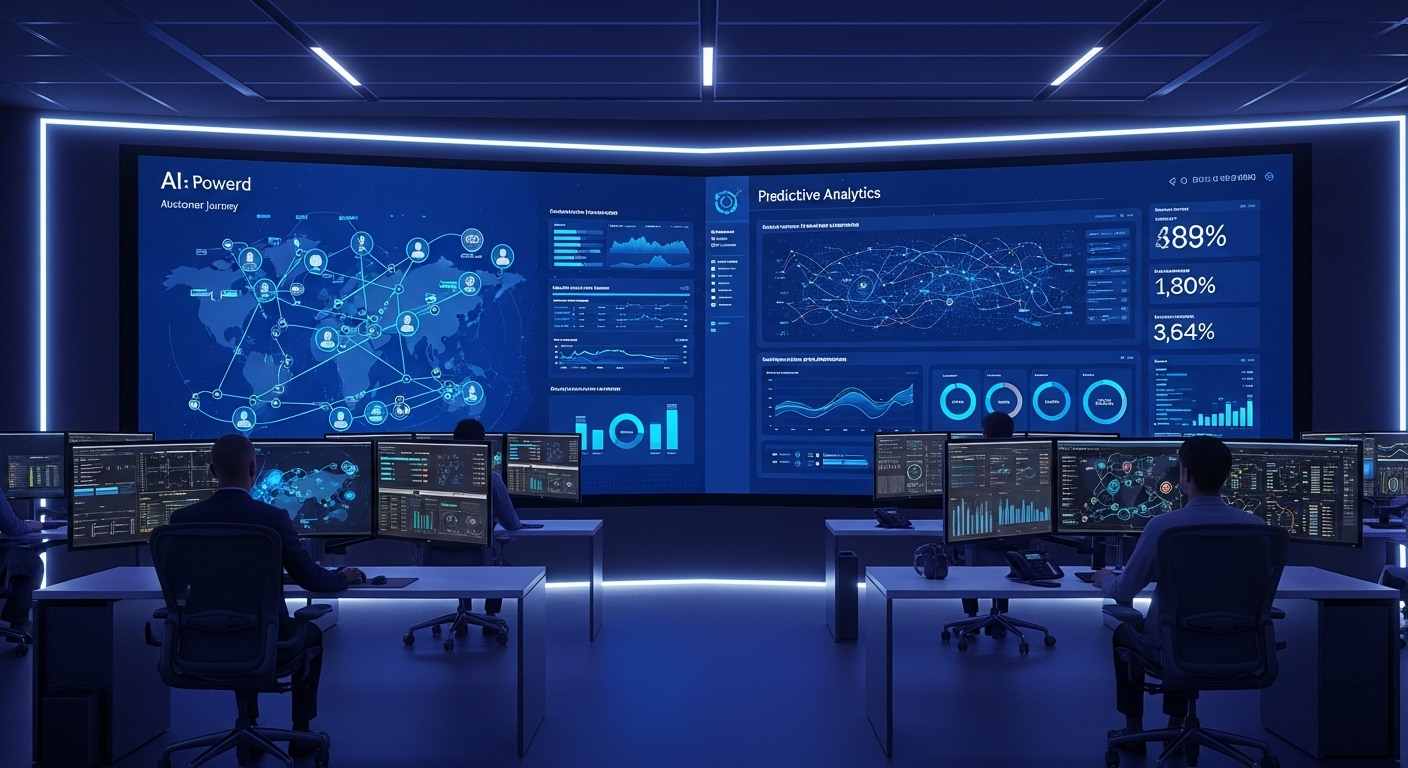
4. Predictive Analytics and Customer Insights

AI helps marketers predict future customer behavior using predictive analytics.

These systems analyze historical and real-time data to forecast:

  • Customer churn
  • Purchase likelihood
  • Product demand
  • Campaign performance
  • Customer lifetime value

How Predictive Analytics Helps Businesses

  • Improves retention strategies
  • Identifies high-value customers
  • Increases sales opportunities
  • Enhances marketing efficiency
  • Supports strategic planning

Instead of reacting to customer behavior after it happens, marketers can proactively engage customers before problems arise.

5. AI Chatbots and Conversational Marketing

Customer communication is becoming increasingly automated through AI chatbots and virtual assistants.

Modern AI chatbots can:

  • Answer customer questions instantly
  • Recommend products
  • Guide purchases
  • Schedule appointments
  • Resolve support issues
  • Collect customer data

Benefits of Conversational AI

  • 24/7 customer support
  • Faster response times
  • Lower support costs
  • Improved customer satisfaction
  • Higher lead conversion rates

As natural language processing improves, conversational AI is becoming more human-like and effective.

6. AI in Email Marketing

Email marketing remains one of the highest-performing digital marketing channels, and AI is making it even more powerful.

AI improves email marketing through:

  • Personalized subject lines
  • Send-time optimization
  • Automated segmentation
  • Predictive recommendations
  • Dynamic content generation

AI Can Automatically:

  • Determine the best time to send emails
  • Identify inactive subscribers
  • Recommend products based on behavior
  • Adjust messaging for different audiences

This leads to:

  • Higher open rates
  • Better click-through rates
  • Increased conversions
  • Improved customer engagement

7. Social Media Marketing and AI

AI is also transforming social media management.

Modern AI tools help marketers:

  • Schedule posts intelligently
  • Generate captions
  • Analyze engagement trends
  • Monitor audience sentiment
  • Identify trending topics
  • Recommend optimal posting times

AI-Powered Social Listening

AI can analyze millions of social conversations to understand:

  • Customer opinions
  • Brand sentiment
  • Market trends
  • Competitor activity

This helps brands respond faster and make smarter marketing decisions.

The Role of Human Creativity in an AI-Driven World

Despite AI’s rapid growth, human marketers remain essential.

AI lacks:

  • Emotional intelligence
  • Human empathy
  • Cultural understanding
  • Original creativity
  • Strategic intuition

Successful marketing still depends heavily on:

  • Storytelling
  • Brand identity
  • Emotional resonance
  • Ethical judgment
  • Creative innovation

The future of marketing is not “AI versus humans.”
It is “AI plus humans.”

The most successful marketers will be those who learn how to collaborate effectively with AI tools.

Challenges and Concerns of AI Marketing

While AI offers major advantages, there are also important challenges.

1. Data Privacy Concerns

AI systems rely heavily on customer data. Businesses must ensure compliance with privacy regulations such as:

  • GDPR
  • CCPA
  • Data protection laws

Transparency and ethical data usage are becoming increasingly important.

2. Risk of Over-Automation

Too much automation can make marketing feel robotic and impersonal.

Brands must maintain:

  • Authentic communication
  • Human connection
  • Emotional storytelling

Customers still value genuine brand experiences.

3. Bias in AI Systems

AI systems can unintentionally reflect biases present in training data.

This can lead to:

  • Unfair targeting
  • Inaccurate recommendations
  • Ethical concerns

Companies must carefully monitor AI systems to ensure fairness and inclusivity.

Future of AI as a Marketing Copilot

The future of AI in marketing looks incredibly powerful.

Emerging innovations include:

  • Autonomous marketing agents
  • Real-time emotional analysis
  • Voice-based AI marketing
  • AI-generated video campaigns
  • Predictive customer journey mapping
  • Fully automated personalization engines

In the coming years, AI copilots may handle:

  • Entire campaign management
  • Real-time content adaptation
  • Customer interaction optimization
  • Dynamic pricing strategies
  • Advanced predictive engagement

However, human marketers will continue leading strategy, creativity, and brand identity.

Best Practices for Businesses Using AI Marketing

To maximize success with AI marketing, businesses should:

Focus on Human + AI Collaboration

Use AI to support creativity, not replace it.

Maintain Brand Authenticity

Ensure AI-generated content aligns with brand voice and values.

Prioritize Data Privacy

Build trust through ethical and transparent data practices.

Continuously Monitor AI Performance

AI systems require regular evaluation and improvement.

Invest in AI Skills and Training

Marketing teams must learn how to work effectively with AI technologies.

Conclusion

AI is rapidly becoming every marketer’s copilot by transforming how campaigns are created, optimized, and delivered. From content generation and predictive analytics to customer personalization and automated advertising, AI is helping marketers achieve greater efficiency, smarter decision-making, and stronger customer engagement.

Yet the true power of AI lies not in replacing human marketers, but in enhancing their abilities. Creativity, emotional intelligence, storytelling, and strategic thinking remain uniquely human strengths that AI cannot fully replicate.

The future of marketing belongs to organizations that successfully combine human creativity with AI-powered intelligence. Businesses that embrace this partnership will be better positioned to innovate, scale, and build deeper customer relationships in the digital era.

As AI technology continues to evolve, marketers who learn to work alongside intelligent systems will lead the next generation of marketing transformation.

For more Contact Us

Brand Collaborations Driven by Culture

Introduction: From Marketing Messages to Cultural Moments with Brand Collaboration

The rules of branding have fundamentally changed. In the past, companies relied heavily on advertising campaigns, media buying, and product-focused messaging to drive growth. But in today’s hyper-connected, content-saturated world, those traditional methods are no longer enough.

Consumers are no longer passive receivers of marketing they are active participants in culture. They scroll, share, remix, and react in real time. This has created a powerful shift: brands must now earn attention by becoming part of culture, not interrupting it.

This is where brand collaborations step in as a powerful strategy, transforming simple marketing campaigns into meaningful cultural moments. By partnering with creators, communities, and even other brands, companies can tap into existing audiences and build authentic connections that resonate far beyond conventional promotions.

This is why culture-driven brand collaborations have emerged as one of the most effective growth strategies in 2026.

Instead of simply promoting products, brands collaborate with cultural forces films, creators, music, fashion, communities to create moments that people care about, talk about, and share.

The shift is clear: brands that embrace collaboration are not just promoting they are participating in culture.

Defining Culture-Driven Brand Collaborations

A culture-driven collaboration is a strategic partnership between a brand and a cultural entity that already holds emotional, social, or symbolic value.

These entities can include:

  • Entertainment properties (films, shows)
  • Celebrities and influencers
  • Internet trends and meme formats
  • Subcultures and niche communities
  • Social movements and causes

For example:

  • A beauty brand collaborating with The Devil Wears Prada to create a themed collection
  • Nike working with athletes and street culture icons to release limited-edition sneakers
  • Harley-Davidson reinventing its brand identity through music, lifestyle, and youth culture

The key idea: brands borrow cultural meaning and amplify it through collaboration.

Why Culture Has Become the Core of Growth Strategy

1. Decline of Traditional Advertising

Consumers today:

  • Skip ads
  • Block ads
  • Ignore ads

But they engage deeply with:

  • Entertainment
  • Influencers
  • Communities

Cultural collaborations allow brands to integrate into content rather than interrupt it.

2. The Rise of the Attention Economy

Attention is now the most valuable currency. However, it is:

  • Fragmented across platforms
  • Short-lived
  • Highly competitive

Cultural collaborations help brands:

  • Break through noise
  • Capture attention organically
  • Stay relevant in fast-moving conversations

3. Identity-Driven Consumption

Modern consumers don’t just buy products they buy identity signals.

People ask:

  • Does this reflect who I am?
  • Does this align with my values?
  • Does this connect me to a community?

Culture-driven collaborations provide strong identity cues.

4. Social Media Amplification

A culturally relevant collaboration can:

  • Go viral
  • Generate user content
  • Become a trend

This creates a multiplier effect where consumers themselves become marketers.

Deep Psychology Behind Cultural Collaborations

To understand why these collaborations are so powerful, we need to look at human psychology:

Emotional Connection

Culture carries emotions nostalgia, excitement, aspiration.
When brands tap into culture, they inherit those emotions.

Social Proof

If something is culturally popular, people assume it is valuable.

Fear of Missing Out (FOMO)

Limited-edition collaborations create urgency:

  • “Everyone is talking about this”
  • “I need to be part of it”

Tribal Belonging

Brand Collaborations often represent communities:

  • Sneaker culture
  • Gaming culture
  • Fitness culture

Buying into a collaboration means joining a tribe.

Types of Culture-Driven Collaborations (Expanded)

1. Entertainment Collaborations

Brands Collaborations with movies, OTT platforms, or TV shows.

Execution styles:

  • Character-inspired products
  • Co-branded campaigns
  • Story-driven experiences

Impact:

  • Leverages existing fanbases
  • Creates emotional storytelling
  • Enhances brand memorability

2. Celebrity & Influencer Collaborations

Creators today are cultural powerhouses.

Types:

  • Co-created product lines
  • Brand ambassadorships
  • Limited-edition drops

Why effective:

  • Built-in trust
  • Strong personal branding
  • Direct audience access

3. Internet & Meme Culture Collaborations

Brands that understand internet culture can move fast and win attention.

Examples:

  • Meme-based marketing
  • Trend hijacking
  • Viral challenges

Key requirement: Speed + authenticity

4. Subculture Collaborations

Subcultures often influence mainstream trends.

Examples:

  • Streetwear
  • Hip-hop
  • Gaming
  • Skate culture

Brands like Adidas have successfully tapped into these niches.

Why powerful:

  • High loyalty
  • Strong identity
  • Cultural influence beyond size

5. Purpose-Driven Collaborations

Brands align with causes such as:

  • Sustainability
  • Mental health
  • Diversity

Impact:

  • Builds emotional trust
  • Enhances brand credibility
  • Attracts value-driven consumers

Strategic Framework for Successful Collaborations

1. Cultural Intelligence

Brands must deeply understand:

  • Trends
  • Audience behavior
  • Cultural nuances

2. Authentic Alignment

The brand collaboration must feel natural.

Forced collaborations damage credibility.

3. Co-Creation Over Promotion

The best brand collaborations:

  • Create something new
  • Add value to culture

4. Storytelling

Narrative is critical:

  • Why this collaboration?
  • What does it represent?

5. Timing

Culture moves fast. Timing determines success.

6. Distribution Strategy

Use:

  • Social media
  • Influencers
  • Events
  • Digital platforms

Business Benefits (In Depth)

Explosive Reach

Brand Collaborations tap into multiple audiences simultaneously.

Higher Engagement

People interact more with cultural content than ads.

Premium Positioning

Limited drops increase perceived value.

Stronger Brand Equity

Associating with culture builds long-term brand strength.

Repeat Growth Engine

Successful collaborations can be repeated and scaled.

Risks and Challenges (Expanded)

Cultural Misalignment

If a brand misreads culture, backlash can occur instantly.

Overuse of Collaborations

Too many brand collaborations dilute brand identity.

Short-Term Hype vs Long-Term Value

Not all viral moments translate into sustained growth.

Loss of Brand Control

Brand Collaborations require shared creative control.

Real-World Strategic Observations

  • Legacy brands are using collaborations to stay relevant
  • D2C brands use collaborations to grow quickly
  • Tech brands are entering lifestyle collaborations
  • Indian brands are increasingly using Bollywood, cricket, and influencer culture

Future Trends in Cultural Collaborations

AI + Culture

  • AI-generated influencers
  • Personalized collaborations

Virtual Worlds

  • Gaming integrations
  • Metaverse branding

Community Co-Creation

Consumers will become collaborators.

Always-On Culture Strategy

Brands will continuously engage with culture not just during campaigns.

Conclusion: Culture Is the New Distribution Channel

The biggest shift in branding is this:

Culture is no longer external to brands it is the medium through which brands grow.

In 2026, the most successful brands are not those that:

  • Spend the most on ads
  • Launch the most products

But those that:

  • Understand culture
  • Respect it
  • Participate in it meaningfully

For more Contact Us

ROI & Profitability Core Focus is New Operating Model of Performance Marketing

Introduction

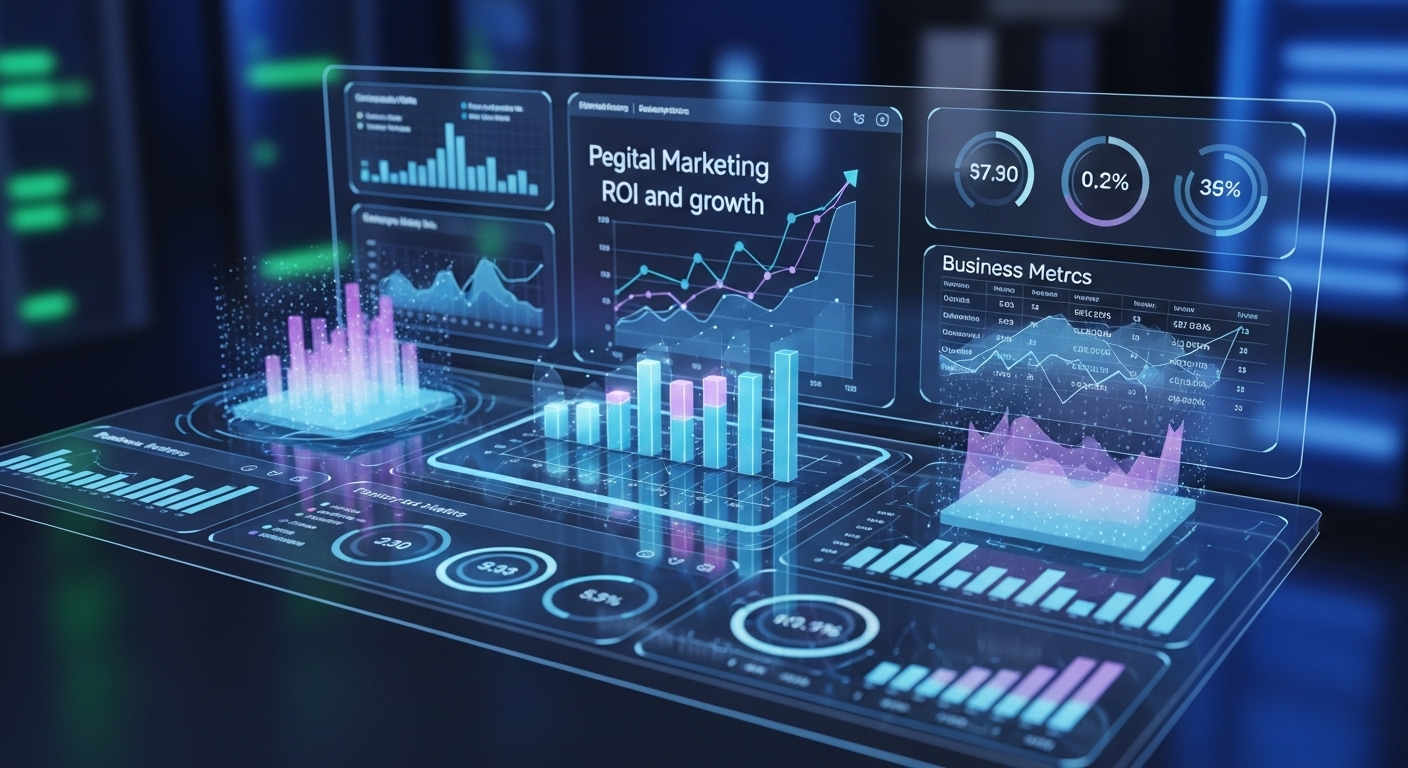
ROI and profitability are now the core focus of performance marketing, fundamentally reshaping how businesses measure success in 2026.

For years, performance marketing was driven by metrics like clicks, impressions, and short-term conversions. Campaign success was often judged by surface-level indicators such as ROAS (Return on Ad Spend), without fully considering long-term business impact.

But that model is no longer sustainable.

Rising acquisition costs, increased competition, privacy changes, and tighter budgets have forced organizations to rethink their approach. Today, marketing is no longer just about growth it’s about profitable growth.

The Shift: From Growth-at-All-Costs to Profit-Driven Marketing

The Old Model

  • Focus on:
    • Clicks
    • Conversions
    • ROAS
  • Prioritized rapid scaling
  • Ignored long-term profitability

The New Model

  • Focus on:
    • ROI (Return on Investment)
    • Customer Lifetime Value (LTV)
    • Profit margins
  • Balanced growth with sustainability
  • Prioritized efficiency and retention

The shift is clear:
From acquiring customers → to acquiring profitable customers

Why ROI & Profitability Have Become the Core Focus

1. Rising Customer Acquisition Costs (CAC)

Advertising costs have increased across platforms:

  • Higher competition
  • Auction-based ad systems
  • Increased demand for attention

Result:

  • Acquiring customers is more expensive than ever

Businesses must ensure:
Each acquisition is profitable

2. Privacy Changes Are Limiting Tracking

With:

  • Cookie deprecation
  • Data privacy regulations

Tracking user behavior has become more difficult.

Impact:

  • Less accurate attribution
  • Reduced targeting precision

This forces marketers to focus on:
Real business outcomes, not just tracked metrics

3. Investors and Leadership Demand Profitability

Companies are under pressure to:

  • Show sustainable growth
  • Improve margins
  • Reduce wasteful spending

Marketing is now accountable for:

  • Revenue contribution
  • Profit generation

4. AI Has Increased Efficiency Expectations

With AI automating campaigns:

  • Optimization happens faster
  • Waste becomes more visible

Businesses now expect:

  • Maximum return from every dollar spent

Understanding Key Profitability Metrics

To shift toward ROI-driven marketing, organizations must track:

Return on Investment (ROI)

Measures overall profitability of marketing efforts.

Customer Lifetime Value (LTV)

The total revenue generated from a customer over time.

Customer Acquisition Cost (CAC)

The cost required to acquire a new customer.

LTV:CAC Ratio

A key indicator of sustainable growth.

Ideal benchmark:

  • LTV should be at least 3x CAC

Contribution Margin

Revenue minus variable costs.

Payback Period

Time required to recover acquisition cost.

From ROAS to True Profitability

ROAS alone is no longer sufficient.

Example:

  • Campaign A:
    • ROAS = 4x
    • High operational costs
    • Low profit
  • Campaign B:
    • ROAS = 2.5x
    • Lower costs
    • Higher profit

Which is better?

Campaign B because profitability matters more than ROAS

Full-Funnel Profit Optimization

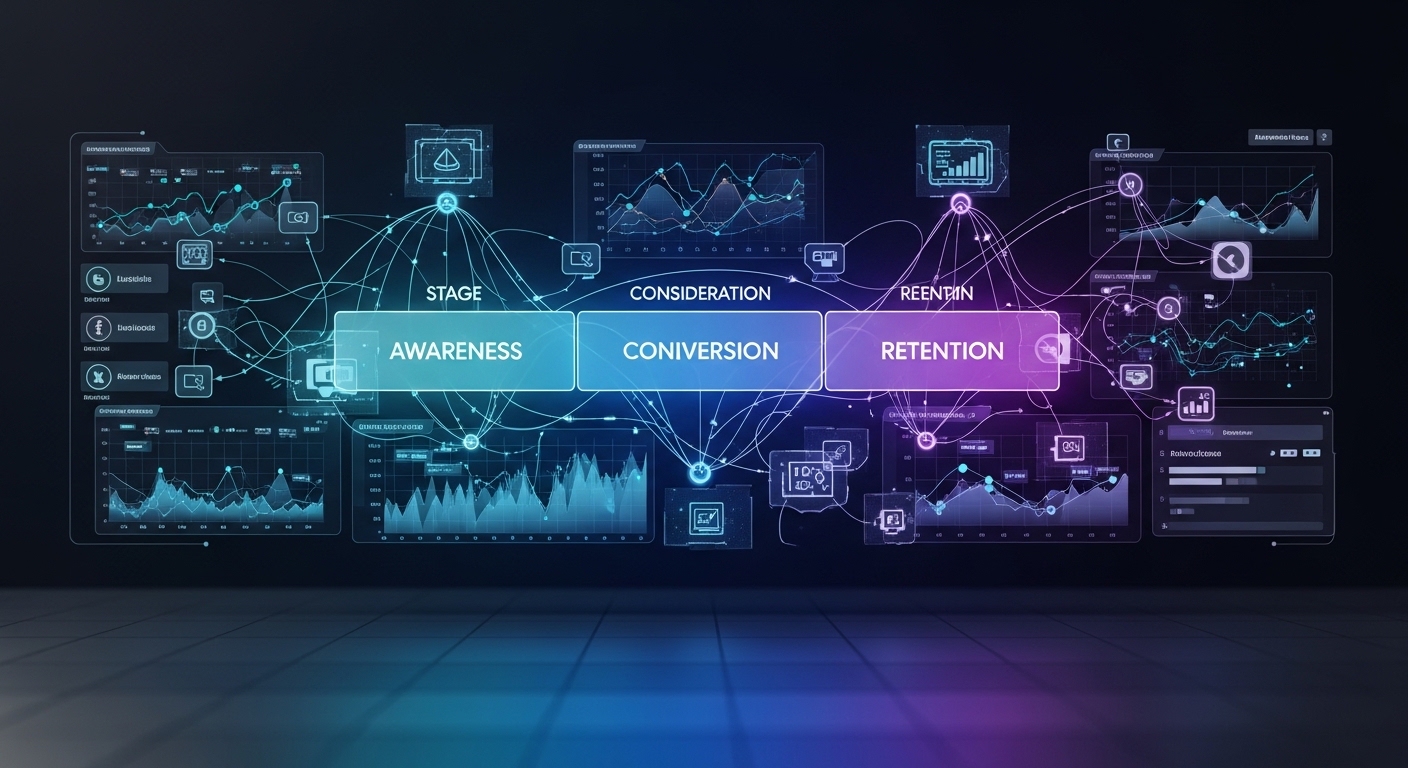
Modern performance marketing optimizes across the entire funnel:

Awareness Stage

  • Efficient reach
  • Brand positioning

Consideration Stage

  • Engagement
  • Lead nurturing

Conversion Stage

  • Optimized acquisition

Retention Stage

  • Repeat purchases
  • Upselling
  • Customer loyalty

Profitability increases when:
Retention improves and CAC decreases

Role of Data in Profitability-Driven Marketing

First-Party Data

  • Owned customer data
  • CRM systems
  • Behavioral insights

Enables:

  • Better targeting
  • Higher conversion rates

Predictive Analytics

AI helps predict:

  • Customer value
  • Churn probability
  • Purchase behavior

Allows smarter budget allocation

The Role of AI in Profit Optimization

AI is transforming performance marketing into a profit optimization system.

AI Capabilities:

  • Budget allocation based on profitability
  • Predictive LTV modeling
  • Dynamic bid optimization
  • Real-time campaign adjustments

AI shifts marketing from:

  • Manual decisions → data-driven intelligence

Creative Strategy and Profitability

Creative is now a key driver of ROI.

High-Performing Creative:

  • Reduces CAC
  • Improves conversion rates
  • Enhances engagement

Better creative = better profitability

Real-World Use Cases

E-Commerce

  • Focus on repeat purchases
  • Optimize for LTV
  • Reduce dependency on paid ads

SaaS

  • Optimize subscription retention
  • Reduce churn
  • Increase customer lifetime value

Fintech

  • Focus on high-value customers
  • Optimize acquisition costs
  • Improve long-term engagement

Challenges in Shifting to Profitability Focus

Data Fragmentation

Data spread across platforms makes analysis difficult.

Attribution Complexity

Hard to track full customer journey.

Organizational Alignment

Marketing, finance, and product teams must align.

Short-Term Pressure

Balancing immediate results with long-term profitability.

Best Practices for Profit-Driven Marketing

  • Focus on LTV, not just conversions
  • Optimize for long-term value
  • Use AI for decision-making
  • Improve customer retention
  • Align marketing with business goals

The Future: Marketing as a Profit Engine

Performance marketing is evolving into:

A revenue and profit engine

Future trends include:

  • AI-driven profit optimization
  • Predictive marketing strategies
  • Real-time financial dashboards
  • Fully automated campaign management

Strategic Insight

Most companies still:

  • Focus on clicks and conversions
  • Optimize campaigns manually
  • Ignore long-term profitability

Leading companies:

  • Optimize for LTV and ROI
  • Use AI-driven systems
  • Build full-funnel strategies

This creates a major competitive advantage.

Conclusion

ROI and profitability are no longer optional metrics they are the foundation of modern performance marketing.

By focusing on profitability, organizations can:

  • Achieve sustainable growth
  • Optimize marketing spend
  • Improve customer value
  • Build long-term success

In 2026, the winning strategy is clear:

👉 Not just growth but profitable growth

For more Contact US

The Impact of Full Funnel Performance Marketing on Digital Growth

For many years, performance marketing was primarily associated with bottom-of-the-funnel activities. Marketers focused heavily on conversions, measuring the success of campaigns through metrics such as cost per acquisition, click-through rates, and return on ad spend. Platforms like paid search, retargeting ads, and affiliate marketing dominated performance strategies because they could be directly tied to measurable results.

However, the landscape of digital marketing has evolved dramatically. As privacy regulations change, advertising platforms automate targeting, and customer journeys become more complex, performance marketing is expanding beyond direct conversions.

Today, performance marketing is becoming a full-funnel discipline, integrating brand awareness, customer engagement, and long-term retention alongside traditional conversion optimization. This shift reflects a deeper understanding that sustainable growth requires influencing every stage of the customer journey.

Understanding the Marketing Funnel

The marketing funnel describes the stages a potential customer moves through before making a purchase decision. Traditionally, marketers divided this journey into three primary stages:

Top of Funnel (Awareness)
Potential customers discover a brand, product, or service for the first time.

Middle of Funnel (Consideration)
Customers research options, compare alternatives, and evaluate value propositions.

Bottom of Funnel (Conversion)
Customers make the final decision to purchase or subscribe.

Historically, performance marketing focused almost exclusively on the bottom stage. Campaigns targeted users who were already close to making a purchase.

While this approach generated short-term revenue, it overlooked the broader journey that leads customers to conversion in the first place.

Why Performance Marketing Is Expanding Across the Funnel

Several industry shifts are driving this evolution.

Changing Privacy Regulations

Privacy laws and platform policies have significantly reduced the ability to track users across websites and apps. This makes it more difficult to attribute conversions directly to specific ad interactions.

As a result, marketers must focus more on influencing earlier stages of the customer journey rather than relying solely on last-click attribution.

Longer and More Complex Customer Journeys

Modern consumers interact with brands across multiple touchpoints before making a purchase decision. These touchpoints may include:

  • social media content
  • video platforms
  • search engines
  • email newsletters
  • product reviews
  • community discussions

Customers rarely convert immediately after seeing a single advertisement. Instead, they gradually build familiarity and trust.

Full-funnel performance marketing recognizes that early interactions play a crucial role in eventual conversions.

AI-Driven Advertising Platforms

Advertising platforms increasingly rely on artificial intelligence to optimize campaign performance. These systems analyze large datasets to determine which users are most likely to convert over time.

AI optimization works best when platforms receive signals from multiple stages of the funnel, including engagement, video views, and content interactions not just purchases.

This encourages marketers to design campaigns that drive broader engagement rather than focusing only on immediate conversions.

The New Structure of Full-Funnel Performance Marketing

Modern performance marketing strategies now address each stage of the customer journey.

Top-of-Funnel: Building Awareness

At the top of the funnel, the goal is to introduce the brand to new audiences and generate interest.

Typical tactics include:

  • video advertising
  • social media discovery campaigns
  • influencer collaborations
  • educational content marketing
  • brand storytelling campaigns

Although these campaigns may not produce immediate conversions, they build awareness that increases the effectiveness of later performance campaigns.

Middle-of-Funnel: Driving Engagement

Once customers are aware of a brand, they begin evaluating whether it meets their needs.

Middle-funnel strategies focus on nurturing this interest by providing deeper information and encouraging interaction.

Examples include:

  • product comparison content
  • educational webinars
  • interactive landing pages
  • retargeting campaigns
  • lead generation offers

These activities help move potential customers closer to purchase decisions.

Bottom-of-Funnel: Converting Customers

The bottom of the funnel remains the core of traditional performance marketing. At this stage, campaigns focus on encouraging final purchase decisions.

Common tactics include:

  • search advertising targeting high-intent keywords
  • retargeting ads for previously engaged users
  • promotional offers or discounts
  • optimized checkout experiences

The key difference today is that these campaigns work more effectively when supported by earlier funnel stages.

Post-Purchase Funnel: Retention and Expansion

Full-funnel performance marketing also recognizes that the customer journey does not end at the initial purchase.

Retention strategies help increase lifetime customer value through:

  • email engagement campaigns
  • loyalty programs
  • personalized product recommendations
  • subscription models
  • referral incentives

Performance marketers now measure success not only by acquisitions but also by long-term customer relationships.

The Role of Data in Full-Funnel Marketing

Data analytics plays a central role in full-funnel performance marketing.

Modern marketers track a variety of signals across the customer journey, including:

  • video engagement metrics
  • website interaction patterns
  • email open and click rates
  • product page behavior
  • customer lifetime value

These data points provide a more comprehensive understanding of how marketing activities influence customer decisions over time.

Creative Strategy as a Performance Lever

As advertising platforms automate targeting and bidding strategies, creative content is becoming the primary differentiator in campaign performance.

Full-funnel marketing requires a diverse range of creative assets designed for different stages of the funnel.

For example:

  • storytelling videos for awareness
  • educational content for consideration
  • product-focused ads for conversions

Continuous creative testing allows marketers to identify which messages resonate most effectively with audiences.

Organizational Changes in Marketing Teams

The shift toward full-funnel performance marketing is also changing how marketing teams operate.

Historically, organizations often separated brand marketing and performance marketing teams.

Today, these functions increasingly collaborate because brand awareness campaigns directly influence performance outcomes.

Integrated marketing teams coordinate strategies across:

  • content marketing
  • paid advertising
  • social media engagement
  • email campaigns
  • product marketing

This collaboration ensures consistent messaging throughout the customer journey.

Measuring Success in Full-Funnel Marketing

Full-funnel marketing requires broader performance metrics than traditional conversion-focused models.

Important indicators now include:

  • brand awareness growth
  • audience engagement levels
  • lead quality
  • customer acquisition costs
  • lifetime customer value

By analyzing the entire funnel, marketers can better understand how each stage contributes to overall growth.

Challenges of Full-Funnel Performance Marketing

While full-funnel strategies offer many advantages, they also introduce challenges.

Attribution Complexity

Tracking how multiple touchpoints influence a single purchase remains difficult, especially with privacy limitations.

Marketers must often rely on probabilistic models rather than precise attribution.

Content and Creative Demands

Full-funnel marketing requires a larger volume of creative assets to support each stage of the customer journey.

Producing and testing these assets requires additional resources.

Cross-Team Coordination

Successful full-funnel strategies require alignment between marketing teams, product teams, and data analysts.

Organizations must ensure that messaging and data insights flow across departments.

The Future of Performance Marketing

Looking ahead, full-funnel performance marketing will continue to evolve as technology advances.

Emerging trends include:

  • AI-driven audience segmentation
  • predictive marketing analytics
  • personalized advertising experiences
  • real-time customer journey optimization

These innovations will enable marketers to design increasingly sophisticated campaigns that influence customers throughout the entire lifecycle.

Conclusion

Performance marketing is no longer limited to driving immediate conversions. As digital ecosystems grow more complex and customer journeys expand across multiple touchpoints, marketers must influence every stage of the funnel.

Full-funnel performance marketing integrates brand awareness, engagement, conversion, and retention into a unified strategy designed for sustainable growth.

By understanding and optimizing the entire customer journey, organizations can build stronger relationships with their audiences and achieve more consistent long-term results.

In the modern marketing landscape, performance is no longer just about the last click it is about the entire journey that leads to it.

For more Contact US

9 Proven Benefits of AI Search Integration for Better Content Discovery

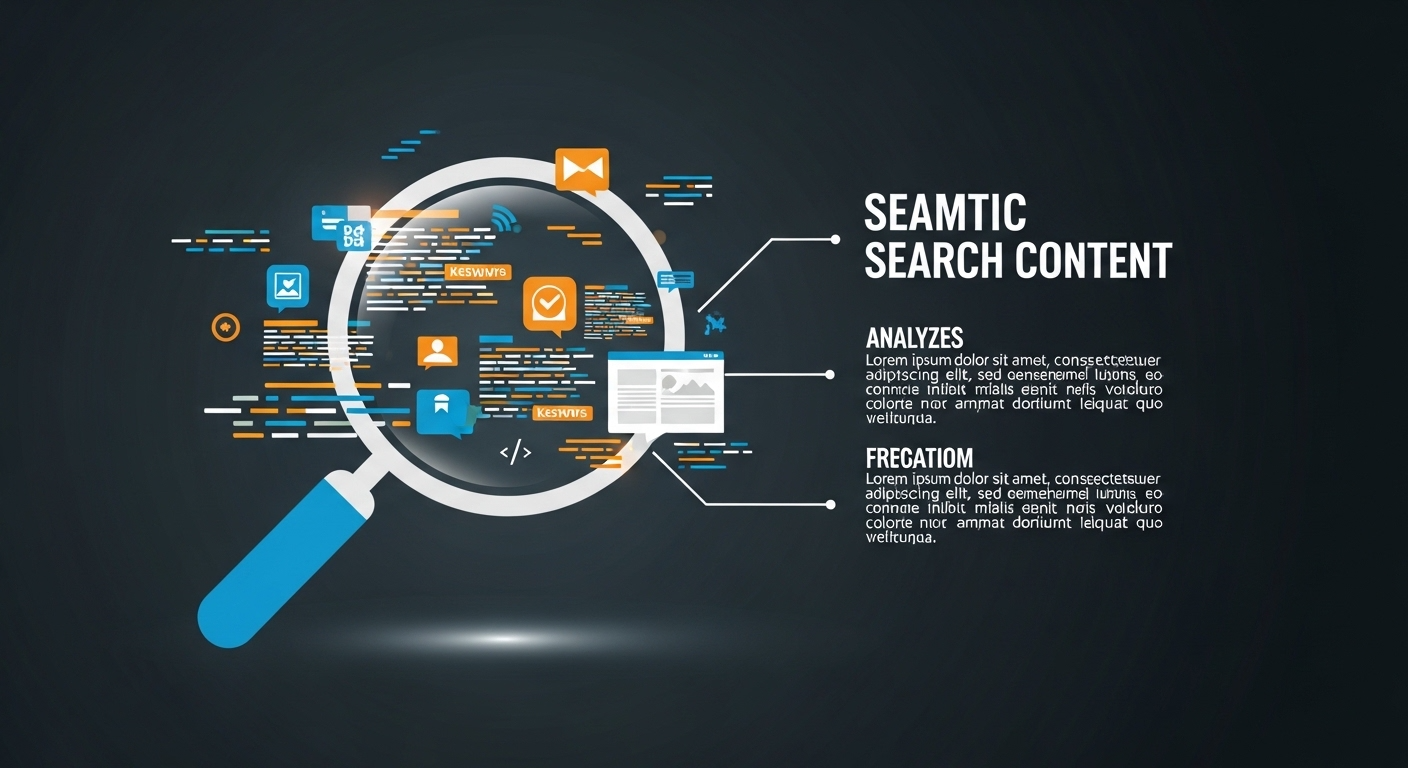
AI search integration is transforming how content is discovered, summarized, and ranked in modern search engines. In 2026, search is no longer limited to keyword matching and blue links. Artificial intelligence now interprets intent, generates structured summaries, and reshapes how users interact with information online.

Instead of simply ranking pages, AI search systems analyze semantic relationships, contextual depth, and content structure before presenting answers directly within search interfaces. This shift is fundamentally changing content strategy and SEO practices.

This marks a major shift in content strategy. SEO is no longer only about visibility it is about participation in AI-driven discovery systems.

From Blue Links to Intelligent Answers

Traditional search results relied on ranking web pages as clickable blue links. Users would:

  1. Enter a query
  2. Browse results
  3. Click a page
  4. Extract information

Today, AI models summarize multiple sources and present direct answers within the search interface itself.

This transformation includes:

  • AI-generated summaries
  • Conversational search results
  • Multi-step guided answers
  • Follow-up question prompts
  • Context-aware recommendations

Content is now competing not just for rankings, but for inclusion in AI-generated responses.

How AI Search Integration Changes SEO Strategy

AI-driven search systems evaluate content differently. Instead of scanning for keyword frequency alone, they prioritize:

  • Conceptual depth
  • Entity relationships
  • Author credibility
  • Structured clarity
  • Context completeness

Content that is thin, repetitive, or surface-level is less likely to be surfaced in AI summaries.

In contrast, content that demonstrates clarity, expertise, and logical structure has higher chances of being referenced.

The Rise of Structured and Extractable Content

AI models rely heavily on structured data patterns. This means that content optimized for AI discovery typically includes:

  • Clear H2 and H3 headings
  • Bullet points
  • Numbered steps
  • FAQs
  • Definitions and explanations
  • Logical topic progression

Unstructured long paragraphs are harder for AI systems to parse and summarize accurately.

Content structure now directly influences discoverability.

Multimodal Discovery Is Expanding

Search is no longer purely text-based. AI integration supports:

  • Image interpretation
  • Video summarization
  • Voice queries
  • Conversational responses
  • Cross-platform search experiences

Content creators must consider multiple formats when designing assets.

For example:

  • A blog post may appear as a summarized snippet
  • An infographic may be extracted into a featured answer
  • A video transcript may inform conversational AI responses

Content discovery is now multi-layered.

The Impact on Click-Through Behavior

One of the most significant changes in AI-integrated search is its effect on traffic patterns.

Because AI answers often provide summaries directly in search results, users may not always click through to the original source.

This introduces new strategic questions:

  • How do brands maintain visibility if clicks decrease?
  • How should content provide value beyond summaries?
  • What motivates users to visit the full page?

The answer lies in depth and differentiation.

Surface-level answers may be summarized, but original insights, case studies, frameworks, and expert analysis still drive engagement.

As AI search integration evolves, content must be structured for extractability and semantic clarity rather than keyword repetition.

Authority Signals Matter More Than Ever

AI systems prioritize trustworthy sources. Signals that influence AI inclusion include:

  • Author expertise
  • Brand authority
  • Backlink credibility
  • Consistent publishing
  • Topical depth

Content ecosystems built around topic clusters perform better than isolated posts.

For example, rather than publishing a single article on SEO, organizations now build:

  • Core pillar content
  • Supporting subtopics
  • Case studies
  • Technical breakdowns
  • Expert commentary

AI favors comprehensive topical authority.

Organizations that understand AI search integration will outperform competitors still relying on traditional ranking tactics.

Topic Clusters Over Keywords

The integration of AI into search accelerates the shift from keyword-based SEO to intent-based SEO.

Instead of targeting individual search terms, successful strategies focus on:

  • Topic coverage
  • User journey alignment
  • Related question mapping
  • Contextual completeness

AI models connect ideas rather than matching isolated phrases.

Content strategy must reflect that evolution.

First-Party Engagement Signals Are Increasingly Important

With AI search integration reducing some click-through behavior, engagement quality becomes more critical.

Search engines now consider:

  • Time on page
  • Scroll depth
  • Repeat visits
  • Content interaction
  • Bounce rate

User satisfaction signals influence long-term ranking and visibility in AI systems.

SEO now overlaps more closely with UX and content experience design.

The Role of AI in Content Creation

AI is not only transforming search it is also influencing content production.

Content teams now use AI tools for:

  • Topic ideation
  • Outline structuring
  • Keyword clustering
  • Content optimization suggestions
  • Performance forecasting

However, AI-generated content alone is insufficient.

AI integration in search systems favors originality, expertise, and differentiated insight not generic summaries.

Human-driven strategic thinking remains essential.

Challenges of AI Search Integration

Despite its benefits, AI-driven search introduces challenges:

1. Reduced Traffic Transparency

Summarized results may obscure referral patterns.

2. Attribution Complexity

AI-generated answers may aggregate multiple sources without clear credit.

3. Increased Competition for Authority

Brands must compete not only for ranking but for inclusion in summary models.

Organizations must adapt measurement frameworks to account for new discovery dynamics.

Strategic Recommendations for 2026

To succeed in AI-integrated search environments, organizations should:

  1. Build topic clusters, not isolated articles
  2. Structure content clearly for extractability
  3. Demonstrate expertise through case studies and data
  4. Use schema markup where appropriate
  5. Optimize for user intent rather than keyword density
  6. Focus on engagement depth beyond surface answers

The goal is not just ranking it is inclusion, authority, and sustained trust.

Conclusion

AI integration is reshaping content discovery at a structural level. Search engines are evolving from index-and-rank systems into interpret-and-answer systems.

This shift changes how content is evaluated, displayed, and consumed. Visibility now depends on semantic depth, structural clarity, and authority signals.

Organizations that adapt to AI-driven discovery models will maintain influence in the evolving search landscape. Those that rely solely on traditional SEO tactics risk declining visibility.

In the age of AI Search Integration, content strategy must be intelligent, structured, and authoritative.

Search is no longer about links. It is about understanding.

AI search integration is not a temporary shift it represents a permanent transformation in how digital content is evaluated and delivered.
For more Contact Us

Autonomous Orchestration: 5 Powerful Strategies Transforming Marketing Workflows

Marketing automation has moved far beyond scheduled email sequences and rule-based drip campaigns. Today, we are witnessing the rise of autonomous orchestration of marketing workflows a transformational shift where AI systems don’t just execute predefined instructions, but intelligently manage, optimize, and evolve entire customer journeys in real time.

This evolution represents a move from automation to intelligent autonomy. Instead of marketers manually configuring every branch of a workflow, AI now monitors behavior, predicts intent, adjusts messaging, and reallocates resources automatically.

The result? Marketing that is faster, smarter, and continuously improving.

What Is Autonomous Orchestration?

Autonomous orchestration refers to AI-powered systems capable of:

  • Continuously analyzing customer behavior
  • Dynamically triggering multi-step, cross-channel journeys
  • Optimizing messaging and timing in real time
  • Adjusting budget allocation automatically
  • Predicting next-best actions for each individual user

Traditional automation follows if-this-then-that logic. Autonomous orchestration uses machine learning to make decisions based on patterns, probability, and behavioral signals.

Example Scenario

A prospect:

  • Visits your website
  • Downloads a whitepaper
  • Watches 50% of a product demo
  • Opens but does not click a follow-up email

An autonomous system will:

  • Recalculate lead score
  • Identify drop-off friction
  • Send a personalized case study
  • Trigger retargeting ads
  • Alert sales with contextual insights

All without manual reconfiguration.

Why Traditional Automation Is No Longer Enough

For years, marketing automation platforms focused on efficiency sending emails at scale, nurturing leads with structured paths, and tracking engagement metrics.

However, modern customers:

  • Switch between devices frequently
  • Engage across multiple channels
  • Expect personalization
  • Respond differently based on timing and context

Static workflows cannot keep up with dynamic consumer behavior.

Autonomous orchestration solves this by enabling real-time adaptive marketing journeys instead of fixed campaign flows.

Core Technologies Powering Autonomous Orchestration

This evolution is driven by multiple AI-driven components:

Predictive Analytics

Forecasts user intent, churn probability, and conversion likelihood.

Generative AI

Creates personalized content variations subject lines, ad copies, landing pages automatically.

Behavioral Tracking Engines

Monitor user interactions across websites, apps, email, social media, and CRM systems.

AI Decision Engines

Select optimal channels, timing, and messaging based on live performance data.

Unified Customer Data Platforms (CDPs)

Ensure data from all touchpoints feeds into a centralized intelligence layer.

Major marketing platforms such as HubSpot, Salesforce, and Adobe are embedding AI-driven orchestration capabilities into their ecosystems to enable these intelligent workflows.

Business Impact and Strategic Advantages

Autonomous orchestration is not just a technical upgrade it fundamentally changes marketing performance.

Higher Conversion Rates

AI adapts content, timing, and channel mix based on individual user behavior, increasing relevance.

Faster Campaign Iteration

Instead of waiting for monthly performance reviews, optimization happens continuously.

Improved ROI

Budget allocation shifts automatically toward high-performing audiences and channels.

Scalable Personalization

One-to-one marketing becomes achievable at enterprise scale.

Stronger Sales Alignment

Real-time behavioral insights provide sales teams with actionable, contextual intelligence.

From Campaigns to Continuous Journey Management

One of the biggest mindset shifts is moving from “campaign-based marketing” to “continuous journey orchestration.”

Traditional mindset:

  • Launch campaign
  • Monitor metrics
  • Adjust manually

Autonomous mindset:

  • Define objectives
  • Allow AI to test and adapt continuously
  • Monitor strategic KPIs instead of tactical execution

Marketing teams shift from operators to strategists.

Challenges and Governance Considerations

While autonomous orchestration offers immense potential, it requires maturity in:

  • Data quality and integration
  • Privacy compliance and consent management
  • AI governance policies
  • Performance monitoring frameworks

Without clean data and oversight, intelligent automation can amplify mistakes quickly.

Successful implementation requires:

  • Clear business goals
  • Human supervision
  • Ethical AI practices
  • Cross-functional collaboration between marketing, IT, and analytics teams

The Future of Marketing Is Autonomous

As AI continues to evolve, autonomous orchestration will likely become the standard rather than the exception. Marketing systems will increasingly operate like intelligent ecosystems constantly learning, adapting, and optimizing across channels.

In the near future, marketers will focus primarily on:

  • Strategy
  • Brand positioning
  • Creative direction
  • Customer experience innovation

While AI handles:

  • Testing
  • Execution
  • Optimization
  • Scaling

The brands that adopt early will benefit from faster growth cycles, improved efficiency, and superior customer engagement.

Conclusion

Autonomous orchestration of marketing workflows represents the next frontier of marketing intelligence. By combining predictive analytics, generative AI, and real-time behavioral insights, businesses can shift from static automation to dynamic, adaptive customer journeys.

This transformation is not about replacing marketers it is about empowering them. Organizations that embrace intelligent orchestration will move beyond reactive campaign management and toward proactive, self-optimizing marketing ecosystems.

The future of marketing is not just automated it is autonomous.
 For more Details let’s connect on Contact Us

Why Performance Marketing Alone Can’t Build Growth Anymore

Introduction: The Performance Marketing Illusion

For over a decade, performance marketing was treated as the growth engine. If you could track clicks, attribute conversions, and optimize bids, growth felt predictable. Spend more, get more. Scale followed spreadsheets.

That model is breaking.

In 2026, performance marketing still matters but on its own, it no longer builds durable growth. Many companies are spending aggressively, optimizing endlessly, and still stalling. CAC rises, attribution weakens, and returns flatten.

The issue isn’t execution.
It’s overreliance.

Performance marketing has become a powerful amplifier but an increasingly poor foundation.

Why Performance Marketing Stopped Being Enough

1. Attribution Is No Longer Reliable

The promise of performance marketing was precision. That promise is gone.

Today’s reality:

  • Cookie loss and privacy restrictions
  • Modeled and delayed conversions
  • Platform-reported metrics that can’t be audited
  • Fragmented customer journeys

Teams still optimize but they optimize imperfect signals. Decisions feel data-driven, yet outcomes drift.

When attribution weakens, performance marketing loses its ability to guide strategy.

2. Performance Optimizes Demand It Doesn’t Create It

Performance marketing captures existing intent. It doesn’t generate trust, preference, or memory.

This leads to a ceiling effect:

  • Early gains are strong
  • Scaling becomes expensive
  • Incremental spend produces diminishing returns

Once you’ve exhausted high-intent demand, performance marketing starts competing for the same audiences at higher cost.

Growth stalls not because ads stopped working but because brand stopped compounding.

3. CAC Inflation Is Structural, Not Tactical

Rising acquisition costs aren’t caused by bad campaigns.

They’re caused by:

  • Platform competition
  • Audience saturation
  • Algorithmic bidding wars
  • Short-term optimization loops

Even well-run performance programs now face structural CAC pressure.

This means:

You can optimize performance but you can’t optimize your way out of economics.

What Performance Marketing Does Well and What It Doesn’t

Performance marketing is excellent at:

  • Capturing demand
  • Testing offers
  • Scaling proven messages
  • Driving short-term revenue

It struggles with:

  • Building trust
  • Creating differentiation
  • Increasing pricing power
  • Improving retention
  • Reducing long-term acquisition cost

Growth requires all of these.

Performance alone delivers none of them sustainably.

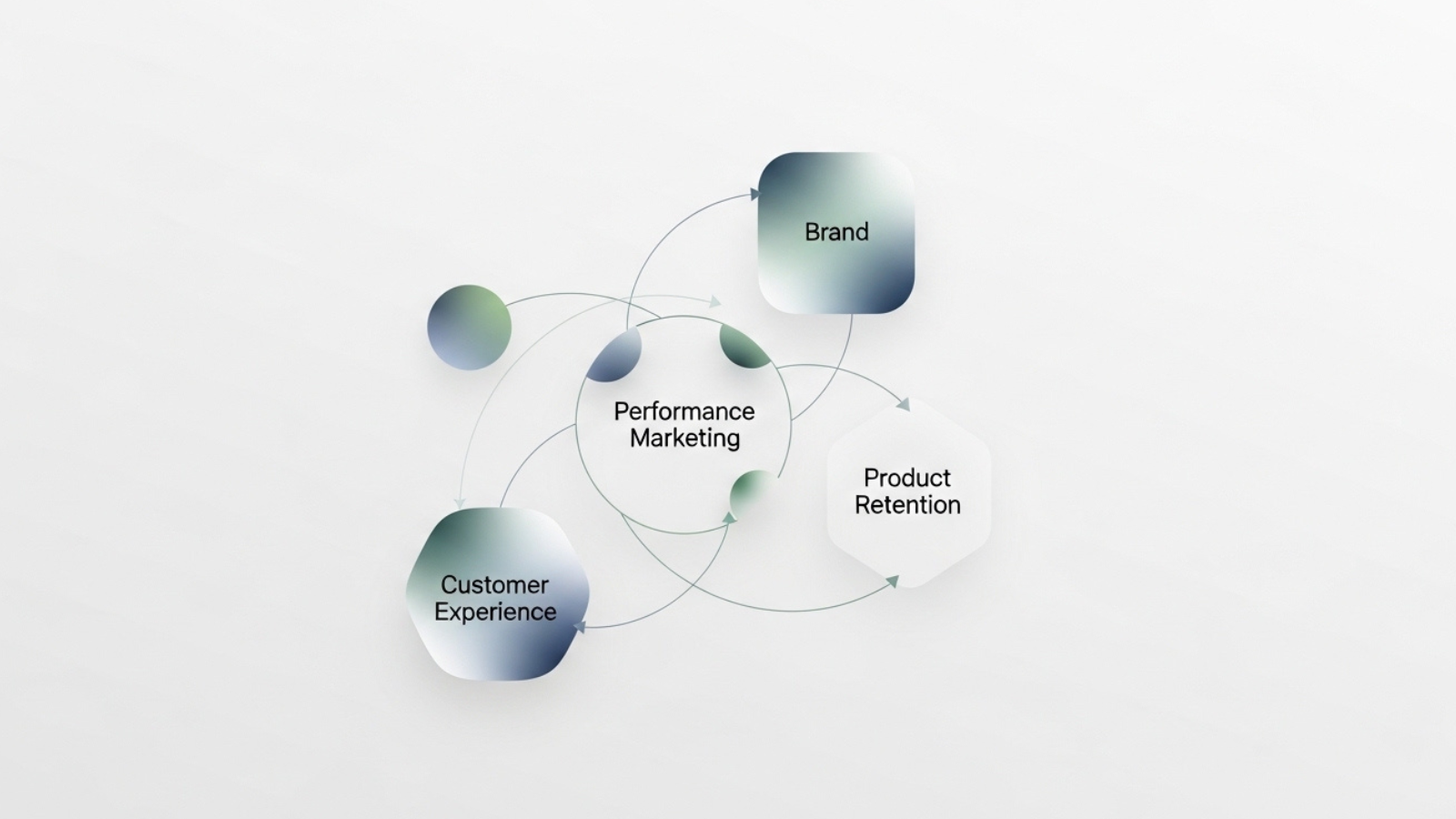
The Shift: Growth Is Becoming Brand-Led Again

This doesn’t mean returning to vague brand campaigns or awareness for awareness’ sake.

Modern brand-led growth looks different:

  • Clear positioning
  • Consistent narrative
  • Product-aligned messaging
  • Thought leadership
  • Trust built across touchpoints

Brand is no longer a “top-of-funnel expense.”
It’s a conversion multiplier.

Brands with strong memory and trust:

  • Convert better
  • Retain longer
  • Pay less for traffic
  • Close faster

Performance marketing works better when brand does its job.

Retention Is Overtaking Acquisition as the Growth Lever

One of the biggest shifts in 2026 is where growth comes from.

More companies are realizing:

  • Fixing churn beats scaling spend
  • Improving onboarding beats more leads
  • Lifecycle optimization beats funnel expansion

Performance marketing is optimized for acquisition.
Growth today is increasingly post-conversion.

Without strong retention, performance marketing becomes a leaky bucket.

Why Product and Brand Are Now Growth Channels

In high-performing companies:

  • Product experience reinforces brand promise
  • Onboarding teaches value quickly
  • Messaging matches reality
  • Support becomes part of positioning

This alignment creates:

  • Word-of-mouth
  • Organic inbound
  • Lower paid dependency

Performance marketing cannot compensate for weak product-brand alignment.

The Rise of Thought Leadership and Credibility-Driven Growth

In B2B and services markets especially, growth is being driven by:

  • Expertise visibility
  • Founder-led content
  • Credible opinions
  • Clear POVs

Buyers trust brands that teach them something, not just retarget them.

Performance ads increasingly act as reinforcement not discovery.

Performance Marketing Without Brand Creates Fragile Growth

Companies built purely on Marketing often share the same symptoms:

  • Constant budget pressure
  • Inconsistent demand
  • Heavy discounting
  • Weak loyalty
  • High churn

Growth depends on constant spend.

The moment budgets tighten, growth collapses.

That’s not growth. That’s dependency.

What Balanced Growth Looks Like in 2026

High-performing organizations now structure growth like this:

  • Brand creates trust, memory, and differentiation
  • Product delivers on the promise
  • Content & thought leadership build authority
  • Retention systems compound value
  • Performance marketing captures and scales demand

Marketing becomes a lever, not the engine.

How Leaders Should Rethink Growth Strategy

If you’re leading growth today, the questions have changed:

  • What do we stand for clearly?
  • Why should buyers remember us?
  • Where does trust come from in our funnel?
  • How much of our growth depends on paid spend?
  • What happens if ad costs double?

If the answers are uncomfortable, marketing is doing too much work.

The Hard Truth: Performance Marketing Is Easy to Start and Hard to Sustain

This thrives in early stages:

  • Clear ICP
  • Untapped demand
  • Cheap attention

As markets mature, growth shifts from efficiency to leverage.

Brand, retention, and trust create leverage.
Performance alone does not.

Final Thoughts: Performance Marketing Isn’t Dead It’s Just Not Enough

This still matters. It always will.

But in 2026, it is no longer a growth strategy on its own.

Growth today comes from:

  • Being remembered
  • Being trusted
  • Being clear
  • Being consistent

This works best when it amplifies these not when it replaces them.

The companies growing now aren’t spending the most.
They’re building brands that make every dollar work harder.

Performance marketing can scale growth.
Only brand can sustain it. For info Lets connect atContact Us

Marketing Platforms Compared on First-Party Data Readiness (2026 Guide)

Introduction: First-Party Data Is No Longer Optional

For years, marketing platforms differentiated themselves through features: automation, AI, dashboards, and channel integrations. In 2026, that differentiation has collapsed.

Most platforms now look similar on the surface.

What actually separates winners from laggards today is first-party data readiness the ability to collect, process, activate, and govern customer data without relying on third-party tracking.

With cookies disappearing, attribution weakening, and privacy enforcement tightening, marketing teams are being forced to rethink their platforms from a data ownership perspective. The question is no longer which tool has more features, but:

Which platform gives us control over our data and lets us use it safely and effectively?

This blog breaks down how modern marketing platforms compare when evaluated through that lens.

What “First-Party Data Readiness” Really Means

Before comparing platforms, it’s important to define the criteria. First-party data readiness is not a single feature it’s a capability stack.

A first-party-ready marketing platform must support:

  1. Direct data collection from owned channels
  2. Consent-aware data handling
  3. Centralized customer profiles
  4. Activation across paid, owned, and earned channels
  5. Server-side and privacy-safe tracking
  6. Clear data ownership and portability

Many platforms claim readiness. Few deliver it end-to-end.

Why First-Party Data Is the New Performance Foundation

The shift toward first-party data isn’t philosophical it’s forced by reality.

Key drivers include:

  • Loss of third-party cookies
  • Platform-level tracking restrictions
  • Modeled and delayed attribution
  • Regulatory scrutiny (GDPR, AI usage, consent UX)

Performance marketing now depends on how well platforms handle what you own, not what they can infer.

As a result, marketing platform comparisons have fundamentally changed.

Category 1: All-in-One Marketing Platforms (CRM-Centric)

Strengths

All-in-one platforms typically combine:

  • CRM
  • Marketing automation
  • Email and messaging
  • Lead tracking
  • Basic analytics

First-party data advantage:
These platforms naturally excel at data collection and ownership. They ingest data directly from:

  • Forms
  • Emails
  • Landing pages
  • CRM interactions

They offer:

  • Persistent customer profiles
  • Built-in consent handling
  • Strong identity resolution

Weaknesses

  • Limited flexibility for advanced data modeling
  • Paid media activation often depends on external connectors
  • Less control over raw event data

Best for

  • SMBs and mid-market teams
  • B2B marketing
  • Organizations prioritizing ownership over experimentation

Verdict:
Strong first-party foundations, but limited customization at scale.

Category 2: Customer Data Platforms (CDPs)

Strengths

CDPs are built specifically for first-party data.

They excel at:

  • Centralizing data from multiple sources
  • Identity resolution across devices and channels
  • Consent-aware data processing
  • Feeding clean data into downstream tools

They provide:

  • High data transparency
  • Strong governance controls
  • Advanced segmentation

Weaknesses

  • Not execution tools on their own
  • Require integration with ad platforms, CRMs, and marketing tools
  • Can be expensive and complex

Best for

  • Data-mature organizations
  • Multi-channel marketing teams
  • Enterprises with fragmented data stacks

Verdict:
Best-in-class for data control, but only valuable if activation is well integrated.

Category 3: Performance Marketing Platforms

Strengths

Traditionally optimized for:

  • Paid media execution
  • Attribution modeling
  • Campaign optimization

Some platforms are evolving to support:

  • Server-side tracking
  • First-party signal ingestion
  • CRM integrations

Weaknesses

  • Often depend heavily on platform APIs
  • Limited control over how data is stored or reused
  • First-party data is frequently treated as an input not an asset

Best for

  • Paid-media-heavy teams
  • Short-term optimization focus

Verdict:
Improving, but still secondary players in first-party data strategy.

Category 4: Analytics-First Platforms

Strengths

Analytics platforms have become central to first-party strategies.

They provide:

  • Event-level data capture
  • Server-side tracking support
  • Flexible data schemas
  • Integration with warehouses

These platforms shine at:

  • Data accuracy
  • Transparency
  • Custom analysis

Weaknesses

  • Limited native activation
  • Require technical setup
  • Not marketer-friendly out of the box

Best for

  • Product-led companies
  • Data-driven growth teams
  • Organizations with engineering support

Verdict:
Excellent for data collection and insight activation still requires additional tooling.

Category 5: AI-Driven Marketing Platforms

Strengths

AI-first platforms promise:

  • Automated personalization
  • Predictive segmentation
  • AI-driven recommendations

Some support:

  • First-party data ingestion
  • Behavior-based modeling

Weaknesses

  • Often opaque about how data is processed
  • Risk of training on customer data without clarity
  • Weak consent and governance tooling

Best for

  • Experimentation-focused teams
  • Use cases with low compliance risk

Verdict:
Powerful but risky if data governance is unclear.

Key Comparison Criteria That Matter in 2026

1. Data Ownership

Ask:

  • Can you export raw data easily?
  • Is data stored in a vendor-controlled format?
  • What happens if you leave the platform?

Ownership is non-negotiable.

2. Consent & Privacy Controls

Modern platforms must:

  • Respect consent across channels
  • Allow granular control
  • Support regional compliance

If privacy is bolted on, it will fail under scrutiny.

3. Server-Side & Event-Based Tracking

Client-side tracking is unreliable.

Platforms must support:

  • Server-side event ingestion
  • Custom events
  • Durable identifiers

Without this, first-party data remains fragile.

4. Activation Without Lock-In

First-party data is useless if it can’t be activated flexibly.

Look for:

  • Clean integrations
  • API access
  • Multi-channel activation

Avoid platforms that trap data inside proprietary workflows.

Why Many Tool Comparisons Miss the Point

Most comparison blogs focus on:

  • Feature lists
  • Pricing tiers
  • UI screenshots

In 2026, these factors matter far less than data posture.

Two platforms may look identical on the surface, but:

  • One gives you long-term control
  • The other creates hidden dependency

That difference determines future scalability.

The Strategic Trade-Off: Simplicity vs Control

There is no universal “best” platform.

Instead, there is a trade-off:

  • Simplicity: All-in-one tools, faster setup, less flexibility
  • Control: CDPs + analytics + activation stack, more complexity

Smart organizations choose based on:

  • Data maturity
  • Compliance exposure
  • Internal capabilities

The wrong choice isn’t complexity or simplicity it’s misalignment.

What Smart Buyers Are Doing Differently

In 2026, experienced buyers:

  • Audit data flows before choosing tools
  • Map consent and ownership explicitly
  • Prioritize portability over convenience
  • Reduce platform dependency

They treat marketing platforms as infrastructure decisions, not feature purchases.

Final Thoughts: First-Party Readiness Is the New Differentiator

Marketing platforms are converging in features but diverging in data philosophy.

The platforms that win in the next decade will be those that:

  • Respect data ownership
  • Enable privacy-by-design
  • Support flexible activation
  • Integrate cleanly into broader ecosystems

Choosing a platform without evaluating first-party data readiness is no longer a tactical mistake it’s a strategic risk.

In 2026, marketing performance is built on what you own, not what you borrow. For more details Contact Us

Why Attribution Accuracy Is Broken in 2026 and What Works Better

Introduction: The End of the Attribution Obsession

For more than a decade, performance marketing revolved around a single pursuit: perfect attribution. Marketers chased ever-more-precise models to answer one question which channel caused the conversion?

In 2026, that question is no longer the right one.

Privacy regulations, platform data silos, signal loss, and AI-driven campaign automation have fundamentally changed what is measurable and what is meaningful. The industry is coming to terms with a hard truth: attribution accuracy is increasingly unattainable and no longer the most valuable objective.

The smartest performance teams are shifting focus from precision to decision quality.

Why Traditional Attribution Models Are Breaking Down

1. Signal Loss Is Structural, Not Temporary

The loss of third-party cookies, device identifiers, and cross-app tracking is not a phase it’s a permanent reset.

Even with server-side tracking and consent frameworks:

  • User journeys are fragmented
  • Cross-device behavior is partially invisible
  • Platform-reported data is increasingly modeled

This makes deterministic, user-level attribution mathematically unreliable at scale.

Trying to “fix” attribution with more tools no longer solves the underlying problem.

2. Platform Walled Gardens Limit Transparency

Major ad platforms optimize campaigns internally using their own data and algorithms. Marketers see outputs but not the full decision logic.

As a result:

  • Reported conversions differ across platforms
  • Attribution windows vary
  • Modeled conversions blur causality

Attribution Accuracy models built on top of incomplete or biased data give a false sense of control.

3. AI-Driven Campaigns Reduce Tactical Visibility

In 2026, most performance campaigns are goal-based, not tactic-based.

AI systems decide:

  • Bidding
  • Audience expansion
  • Creative rotation
  • Budget allocation

While outcomes often improve, marketers lose visibility into why a specific impression converted.

Attribution becomes less about tracing clicks and more about evaluating systems.

The Real Cost of Chasing Perfect Attribution

Persisting with attribution accuracy as the primary goal creates several problems:

  • False confidence: Clean dashboards mask uncertainty
  • Misallocated budgets: Over-optimizing noisy signals
  • Slow decisions: Waiting for “perfect” data
  • Internal conflict: Teams arguing over whose channel gets credit

In many organizations, attribution debates consume more time than actual optimization.

That’s not performance marketing it’s distraction.

What’s Replacing Attribution Accuracy in 2026

1. Incrementality Over Attribution

The central question has changed from:

Which channel got the conversion?
to
Would this conversion have happened without this activity?

Incrementality testing via:

  • Geo holdouts
  • Time-based experiments
  • Conversion lift studies

focuses on causal impact, not credit assignment.

It’s less granular but far more honest.

2. Blended Measurement Models

Rather than forcing precision at the user level, teams are adopting blended measurement approaches that combine:

  • Platform-reported performance
  • First-party data trends
  • Media mix modeling (MMM)
  • Business KPIs (revenue, margin, LTV)

This accepts uncertainty while still enabling confident decisions.

Accuracy is replaced by directional reliability.

3. Outcome-Based KPIs

Instead of optimizing for attributed conversions, teams are aligning on:

  • Revenue contribution
  • Customer quality
  • Retention and lifetime value
  • Incremental profit

These metrics are harder to fake and easier to align with leadership.

In 2026, attribution exists to support business outcomes not define them.

Creative and Strategy Matter More Than Models

As targeting and tracking lose precision, creative effectiveness and strategic clarity have become the dominant performance levers.

High-performing teams focus on:

  • Rapid creative iteration
  • Clear value propositions
  • Platform-native storytelling
  • Consistent brand signals

Attribution models can’t compensate for weak messaging.
Strong creative often performs despite imperfect measurement.

The Role of First-Party Data Has Changed

First-party data hasn’t replaced attribution but it has reframed it.

Instead of tracking every touchpoint, first-party data is used to:

  • Understand customer cohorts
  • Measure downstream value
  • Improve segmentation and personalization
  • Validate performance trends

It supports strategic insight, not forensic attribution.

What CFOs and Leadership Actually Want

In 2026, senior leadership rarely asks:

Which ad got the click?

They ask:

  • Are we growing profitably?
  • Is marketing spend scalable?
  • Which channels deserve more investment?
  • What happens if we increase or cut spend?

Attribution accuracy does not answer these questions.
Incremental impact does.

This shift is why performance marketing is becoming more finance-aligned.

The New Performance Marketing Mindset

From Precision → Practicality

Accept that:

  • Some data will always be modeled
  • Some journeys will be invisible
  • Perfect attribution is unattainable

Build systems that still enable smart decisions.

From Credit → Causality

Stop arguing over credit.
Start measuring cause and effect.

From Tools → Thinking

More tools won’t solve measurement complexity.
Clear hypotheses and disciplined testing will.

What Performance Teams Should Do Now

  1. Reset expectations internally
    Educate stakeholders that attribution is directional, not definitive.
  2. Invest in incrementality testing
    Even simple experiments outperform complex attribution models.
  3. Align on business-level KPIs
    Tie performance marketing to revenue quality, not platform metrics.
  4. Strengthen creative and messaging
    Measurement cannot save weak propositions.
  5. Simplify reporting
    Fewer metrics, clearer decisions.

Final Thoughts: Accuracy Was the Wrong Goal

Attribution accuracy was always a proxy for confidence. In 2026, confidence comes from robust decision frameworks, not perfect data.

The best performance marketers are not those with the cleanest dashboards but those who:

  • Understand uncertainty
  • Design smart experiments
  • Align marketing with business impact

Attribution still matters but only as one input among many.

The goal is no longer to be precisely wrong.
It’s to be directionally right and commercially effective. For more details Contact Us

Brand’s Social Listening Strategy 2026: How Unilever & TikTok Are Powerfully Rewriting

Introduction

Unilever’s recent success on TikTok didn’t come from a traditional campaign. It came from listening, not broadcasting. In 2026, this approach reflects a broader shift toward a social listening strategy 2026 that prioritizes real-time insights over pre-planned messaging.

Instead of pushing pre-planned ads, Unilever leveraged real-time social listening to spot organic trends and then amplified them. This approach signals a major shift in modern marketing: brands reacting to culture instead of trying to control it.

What Is Social Listening in 2026?

Social listening today goes far beyond tracking mentions or hashtags.

It includes:

  • Real-time trend detection
  • Sentiment analysis at scale
  • Behavioral pattern recognition

On platforms like TikTok, this data reveals what audiences actually care about, often before brands even notice.

How Unilever Used TikTok Differently

Unilever observed how users were already engaging with its products organically. Instead of forcing new creative ideas, the brand:

  • Amplified existing creator narratives
  • Shifted ad spend toward proven trends
  • Let creators lead the storytelling

This resulted in content that felt native, timely, and authentic—exactly what TikTok’s algorithm rewards.

Why This Strategy Works

Traditional marketing plans are slow. Social platforms move fast.

Social listening allows brands to:

  • Respond within hours, not weeks
  • Reduce creative risk
  • Invest budget where momentum already exists

This turns marketing from a guessing game into an adaptive system.

The Role of AI in Social Listening

AI makes this approach scalable.

Modern tools analyze:

  • Video engagement patterns
  • Comment sentiment
  • Trend velocity

This enables brands to spot opportunities early and act before competitors even realize a trend exists.

What Marketers Should Learn from Unilever

The key lesson is simple but uncomfortable:

The audience is already creating the best ideas.

Brands must stop over-planning and start observing.

Winning marketers in 2026:

  • Build systems for listening
  • Empower teams to act quickly
  • Let data guide creativity, not restrict it

Final Thoughts

Unilever’s TikTok success proves that modern marketing isn’t louder—it’s smarter. Social listening transforms platforms from advertising channels into real-time insight engines.

To build data-driven, adaptive marketing strategies for your business, explore marketing and consulting services at Contact Us