
Introduction
Software is no longer released in predictable cycles it is deployed continuously, updated frequently, and consumed globally in real time. In this environment, quality is not just a technical requirement; it is a business-critical differentiator.
Yet traditional software testing approaches manual execution, static automation scripts, and late-stage validation cannot keep up with modern development speed and complexity.
In 2026, Artificial Intelligence is redefining the rules.
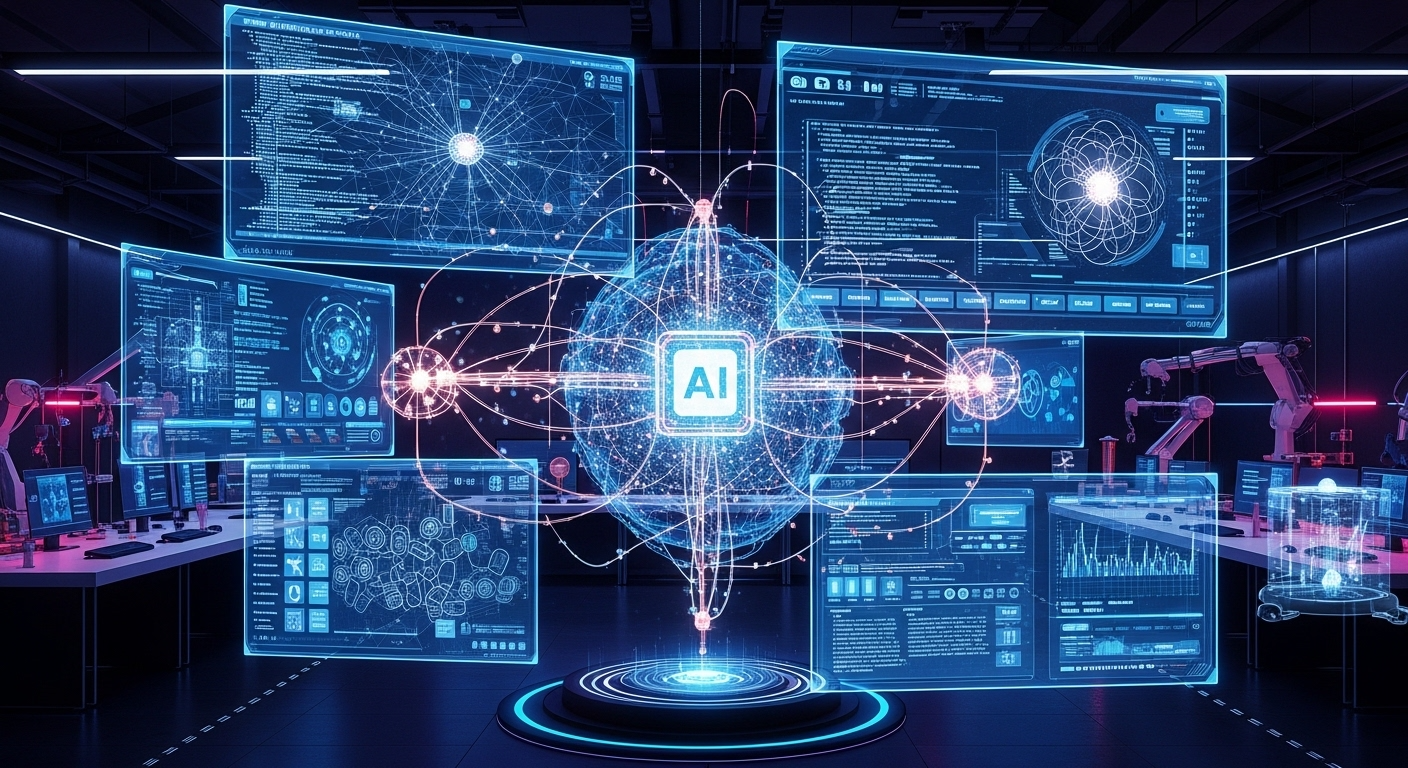
AI is not simply enhancing software testing it is becoming the core engine that powers how quality is built, validated, and optimized across the entire software lifecycle. This shift transforms testing from a reactive checkpoint into an intelligent, autonomous, and continuously learning system.
Why Software Testing Needed a Transformation
Modern software systems are fundamentally different from those of the past:
- Built using microservices and APIs
- Deployed across multi-cloud environments
- Updated continuously via CI/CD pipelines
- Used by millions of users across diverse devices
This complexity creates new challenges:
1. Exponential Test Scenarios
The number of possible interactions and edge cases has grown dramatically.
2. Faster Release Cycles
Teams cannot afford long testing phases before deployment.
3. Dynamic System Behavior
Applications evolve constantly, making static test scripts obsolete.
4. Increased Risk
Performance issues or bugs can directly impact revenue and user trust.
Traditional testing simply cannot scale to meet these demands AI fills this gap.
From Automation to Intelligence: The Real Shift
Automation improved speed, but it introduced its own limitations:
- Scripts required constant maintenance
- Tests were limited to predefined scenarios
- Adaptability was minimal
AI introduces something fundamentally different:
Intelligence + Adaptability
AI systems learn from data, adapt to changes, and improve over time.
Decision-Making Capability
AI can decide:
- What to test
- When to test
- How to test
Continuous Optimization
Testing becomes a self-improving system rather than a static process.
This is the transition from test automation → intelligent quality systems.
The Core Capabilities of AI-Driven Testing Engines
1. Autonomous Test Generation
AI analyzes:
- Code changes
- User behavior
- Historical defects
…and generates test cases dynamically.
Result:
- Higher coverage
- Reduced manual effort
- Faster test design cycles
2. Self-Healing Test Automation
One of the biggest pain points in automation is broken scripts.
AI solves this by:
- Detecting UI or code changes
- Automatically updating test scripts
- Reducing flaky tests
Impact:
- 60–80% reduction in maintenance effort (industry trend estimates)
3. Intelligent Test Prioritization
Instead of running all tests equally, AI:
- Identifies high-risk areas
- Prioritizes business-critical functions
- Optimizes test execution
Outcome:
- Faster feedback
- Better use of resources
4. Predictive Defect Detection
AI uses historical data and patterns to:
- Predict where bugs are likely to occur
- Identify performance bottlenecks
- Recommend preventive actions
Shift:
- From finding bugs → preventing bugs
5. Continuous Learning Systems
AI systems improve with every test cycle:
- Learn from failures
- Adapt to system changes
- Refine testing strategies
Result:
Testing becomes smarter over time not repetitive.
AI Across the End-to-End Testing Lifecycle
1. Requirement Analysis
AI interprets requirements and identifies potential risks early.
🔹 2. Test Design
Generates relevant and high-value test scenarios automatically.
3. Test Execution
Runs tests across environments, scaling effortlessly.
4. Defect Analysis
Classifies defects, identifies root causes, and suggests fixes.
5. Production Monitoring
Continuously monitors performance and user behavior.
6. Feedback Loop
Feeds insights back into development for continuous improvement.
The Rise of “Testing as an Intelligent System”
AI is turning testing into a system of intelligence, not just a process.
Traditional Testing:
- Linear
- Manual or scripted
- Periodic
AI-Driven Testing:
- Continuous
- Adaptive
- Predictive
- Autonomous
Testing becomes an always-on capability embedded in the system.
Real-World Enterprise Use Cases
1. E-Commerce Platforms
- Simulate peak traffic scenarios
- Ensure smooth checkout experiences
- Optimize page load performance
2. SaaS Applications
- Continuously validate feature updates
- Detect regressions instantly
- Maintain uptime and performance
3. Banking & Fintech
- Validate transaction accuracy
- Detect anomalies and fraud patterns
- Ensure compliance and reliability
4. Healthcare Systems
- Ensure system stability
- Validate critical workflows
- Maintain data integrity
5. Media & Streaming
- Test high-load content delivery
- Optimize streaming performance
- Prevent downtime during peak usage
Business Impact: Beyond Testing
AI-driven software testing is not just improving QA it is transforming business outcomes:
1. Faster Time-to-Market
Reduced testing cycles accelerate product releases.
2. Higher Product Quality
Continuous validation ensures reliability.
3. Cost Efficiency
Reduced manual effort and maintenance costs.
4. Better User Experience
Applications perform consistently under real-world conditions.
5. Increased Competitive Advantage
Organizations can innovate faster without compromising quality.
The New Role of QA Professionals
AI is not replacing testers it is elevating them.
From:
- Manual testers
- Script writers
To:
- Quality engineers
- AI orchestrators
- Risk analysts
New Responsibilities of Software Testing:
- Designing software testing strategies
- Managing AI systems
- Interpreting insights
- Ensuring governance and compliance
Challenges in Adopting Software Testing AI
1. Data Quality
AI depends on accurate and comprehensive data.
2. Integration Complexity
Integrating AI with existing systems can be challenging.
3. Skill Gaps
Teams need expertise in AI, testing, and DevOps.
4. Trust and Explainability
Organizations must understand AI-driven decisions.
5. Over-Reliance on Automation
Balancing human oversight with AI autonomy is critical.
Implementation Framework for Enterprises
Step 1: Identify High-Impact Areas
Focus on critical workflows and systems.
Step 2: Build Data Infrastructure
Ensure access to reliable and real-time data.
Step 3: Introduce AI Gradually
Start with test generation and prioritization.
Step 4: Enable Continuous Software Testing
Integrate AI into CI/CD pipelines.
Step 5: Scale Across Systems
Expand AI-driven testing across applications.
Step 6: Establish Governance
Define rules, controls, and monitoring mechanisms.
The Future: Autonomous Quality Engineering
The next phase of AI in testing will involve:
- Fully autonomous testing systems
- AI agents collaborating across workflows
- Real-time optimization of performance
- Self-healing applications
Organizations will move toward self-optimizing software ecosystems where quality is continuously ensured without manual intervention.
Strategic Insight
Most companies today:
- Use AI for limited automation
- Rely on traditional QA practices
- Treat testing as a separate phase
But leading organizations:
- Embed AI into the entire testing lifecycle
- Use predictive and risk-based testing
- Build intelligent quality systems
This shift is becoming a key competitive differentiator.
Conclusion
AI is fundamentally transforming software testing by becoming its core engine.
It is enabling organizations to:
- Move faster without sacrificing quality
- Detect and prevent issues proactively
- Build resilient, scalable systems
- Deliver exceptional user experiences
In a world where Software Testing defines success, AI-driven testing is not optional it is the foundation of modern quality engineering.
For more Contact US