
Real-Time Expert Commentary Is Replacing Static Reports

In the modern digital economy, the value of information is no longer just about accuracy it is about timing, relevance, and accessibility. For decades, static reports served as the backbone of expert communication. They were detailed, structured, and authoritative. However, in an era defined by rapid change, these traditional formats are increasingly struggling to keep up.

Today, real-time expert commentary is emerging as the dominant model, reshaping how insights are delivered, consumed, and applied. From boardrooms to social media feeds, the shift is clear: people no longer want to wait for insights they want them now.

The Traditional Model: Why Static Reports Are Losing Ground

Static reports were once indispensable. Consulting firms, analysts, and institutions invested significant time producing comprehensive documents designed to guide decision-making.

Key Characteristics of Static Reports:

  • Extensive research and data compilation
  • Formal structure and in-depth analysis
  • Periodic release (monthly, quarterly, annually)
  • One-way communication

While these reports still hold value for long-term strategy, they face critical challenges in today’s environment:

Limitations:

  • Time Lag: By the time reports are published, insights may already be outdated
  • Lack of Interactivity: Readers cannot engage or ask questions in real time
  • Information Overload: Lengthy documents can be difficult to consume quickly
  • Rigid Format: Static content cannot adapt to evolving situations

As industries accelerate, the gap between information creation and decision-making continues to widen.

The Emergence of Real-Time Expert Commentary

Real-time expert commentary represents a shift from “finished knowledge” to “evolving insight.” Instead of delivering conclusions after long delays, experts now share perspectives as events unfold.

Common Formats Include:

  • Live streaming discussions and webinars
  • Instant analysis via social media platforms
  • Real-time dashboards and analytics tools
  • Podcasts reacting to breaking developments
  • Interactive Q&A sessions and AMAs

This approach transforms expertise into a continuous conversation, rather than a one-time publication.

Why This Shift Is Happening

1. The Acceleration of Global Events

Markets, technologies, and geopolitical developments evolve at unprecedented speed. Static reports cannot keep pace with real-time disruptions.

2. The Influence of Digital Platforms

Platforms like live video, professional networks, and microblogging sites allow experts to instantly share their insights with global audiences.

3. AI and Data Analytics Revolution

Artificial intelligence enables real-time data processing, allowing experts to base their commentary on live, data-driven insights.

4. Changing Decision-Making Culture

Organizations are shifting from long-term rigid planning to agile and adaptive strategies. This requires continuous input rather than periodic analysis.

5. Audience Expectations

Modern audiences expect:

  • Speed
  • Clarity
  • Relevance
  • Engagement

Static PDFs no longer meet these expectations.

The Evolution of the Expert’s Role

The role of an expert is undergoing a profound transformation.

Then:

  • Static Reports writer
  • Research analyst
  • Occasional advisor

Now:

  • Real-time commentator
  • Thought leader and content creator
  • Continuous advisor
  • Community engager

Experts are no longer hidden behind static reports they are now visible, accessible, and interactive.

Expanded Benefits of Real-Time Commentary

1. Faster Decision-Making

Organizations can act immediately based on live insights, gaining a competitive edge.

2. Dynamic Contextual Understanding

Experts can adjust their analysis as situations evolve, providing context-aware insights.

3. Stronger Audience Connection

Live interactions build trust and allow audiences to clarify doubts instantly.

4. Democratization of Knowledge

Real-time platforms make expert insights accessible to a broader audience, not just elite institutions.

5. Enhanced Collaboration

Multiple experts can contribute simultaneously, creating multi-perspective analysis.

Deep Dive: Industry Transformations

Business & Strategy

Executives rely on real-time insights during crises, mergers, and market shifts. Strategy is no longer static it is continuously refined.

Finance & Investment

Traders and investors depend heavily on live expert commentary for:

  • Market fluctuations
  • Economic announcements
  • Geopolitical events

Real-time insights can significantly impact investment decisions.

Healthcare & Science

During global health emergencies, real-time expert updates can:

  • Inform public behavior
  • Guide policy decisions
  • Accelerate response strategies

Technology & AI

Tech experts provide immediate analysis of:

  • Product launches
  • Security breaches
  • AI advancements

This helps businesses stay ahead in a highly competitive space.

Governance & Policy

Governments increasingly rely on continuous expert advisory systems rather than waiting for formal reports.

Challenges and Risks in Real-Time Commentary

While powerful, real-time commentary is not without drawbacks.

1. Accuracy vs Speed

The faster insights are delivered, the higher the risk of errors or incomplete analysis.

2. Information Overload

Too many voices can create confusion rather than clarity.

3. Credibility Concerns

Not all “experts” are equally qualified, making verification essential.

4. Lack of Depth

Real-time insights may lack the depth and rigor of traditional reports.

5. Short-Term Bias

Immediate analysis may prioritize short-term perspectives over long-term strategy.

The Hybrid Model: Best of Both Worlds

Rather than eliminating static reports, the future lies in integration.

How the Hybrid Model Works:

  • Real-time commentary for immediate insights
  • Static reports for deep, structured analysis
  • Continuous feedback loops between both formats

This ensures that organizations benefit from:

  • Speed (real-time)
  • Depth (reports)

Strategies for Adapting to This Shift

Organizations and experts must evolve to stay relevant.

For Experts:

  • Build a strong online presence
  • Develop communication skills
  • Use data and AI tools effectively
  • Engage with audiences regularly

For Organizations:

  • Invest in real-time analytics platforms
  • Create expert networks
  • Encourage agile decision-making
  • Combine short-form and long-form insights

Future Trends to Watch

  • AI-generated real-time insights supporting experts
  • Personalized expert commentary tailored to users
  • Integration of augmented and virtual reality for live analysis
  • Rise of subscription-based expert communities
  • Increased regulation and verification of expert credibility

Key Takeaways

  • Real-time expert commentary is becoming the primary mode of insight delivery
  • Static reports are evolving into supporting tools for deep analysis
  • Speed, engagement, and adaptability are redefining expertise
  • The future belongs to those who can communicate insights instantly and effectively

Final Conclusion

The transition from static reports to real-time expert commentary marks a significant evolution in the knowledge economy. In a world driven by immediacy, the ability to deliver timely and relevant insights is more valuable than ever.

Experts are no longer just analysts they are live interpreters of a constantly changing world. Organizations that embrace this transformation will be better equipped to navigate uncertainty, seize opportunities, and stay ahead of the competition.

Ultimately, the future of expertise is not static it is alive, dynamic, and happening in real time.

For more Contact Us

CAC Is Rising Funnels Must Be Smarter (Or You’ll Bleed Cash)

The Ugly Truth Most Businesses Ignore

Customer Acquisition Cost (CAC) is no longer a controllable metric in the way it used to be. It’s rising across industries especially in SaaS, local services, and digital-first businesses and most companies are responding the wrong way.

They increase ad spend.
They tweak creatives.
They test new platforms.

And still… CAC keeps going up.

This isn’t a tactical problem. It’s structural.

Why CAC Is Rising (And Why It’s Not Coming Down)

1. Attention Is Saturated

Every business is running ads. Your audience is bombarded with:

  • Facebook ads
  • Instagram reels
  • WhatsApp promotions
  • Email campaigns

The result? Ad fatigue + lower conversion rates = higher CAC

2. AI Has Flooded the Market with Content

With tools like ChatGPT and Canva, anyone can generate:

  • Landing pages
  • Ad copy
  • Email sequences

That means:
The average quality has gone up
But differentiation has gone down

So your message doesn’t stand out anymore.

3. Buyers Are Smarter (and Slower)

Today’s customer:

  • Compares multiple options
  • Reads reviews
  • Asks AI for recommendations
  • Takes longer to decide

This increases:

  • Time to conversion
  • Cost per acquisition

4. Platforms Are More Expensive

Ad platforms like Meta and Google are:

  • Increasing CPMs
  • Reducing organic reach
  • Favoring high-budget advertisers

Small and mid-sized businesses are getting squeezed.

The Real Problem: Your Funnel Is Outdated

Most businesses are still using this model:

Ad → Landing Page → WhatsApp / Form → Done

That worked in 2018.
In 2026, it’s lazy.

Here’s why it fails:

  • No qualification
  • No personalization
  • No follow-up intelligence
  • No behavior tracking

You’re treating every lead the same and paying the price.

What a Smart Funnel Looks Like in 2026

If your funnel isn’t doing these things, it’s broken.

1. AI-Based Lead Qualification

Not every lead is worth your money.

A smart funnel:

  • Filters low-intent users
  • Identifies high-value prospects
  • Routes them differently

Example:

  • Cold lead → nurture sequence
  • Hot lead → instant WhatsApp + offer

2. Behavioral Tracking (This Is Non-Negotiable)

You need to know:

  • What page they visited
  • How long they stayed
  • What they clicked
  • Where they dropped off

Without this, you’re blind.

With this, you can:

  • Retarget precisely
  • Personalize messaging
  • Increase conversion rates

3. Multi-Touch Follow-Up System

Most conversions don’t happen on the first touch.

A real funnel includes:

  • WhatsApp automation
  • Email sequences
  • Retargeting ads
  • Timed reminders

If you’re not following up, you’re wasting leads.

4. Personalization at Scale

Generic funnels don’t work anymore.

Your system should adapt based on:

  • User behavior
  • Location
  • Intent
  • Interaction history

Example:

  • A restaurant lead browsing dinner menus → send evening offers
  • A user checking pricing → send urgency-based CTA

5. Conversion Optimization Loops

Your funnel should improve automatically.

That means:

  • A/B testing continuously
  • AI optimizing messaging
  • Tracking conversion metrics in real-time

If your funnel is static, it’s dying.

Where Most Businesses Go Wrong

Let’s be blunt.

They focus on traffic instead of conversion

More clicks ≠ more customers

They rely on cheap offers to attract leads

Low price = low-quality customers

They don’t build systems

They build pages, bots, and workflows but no real engine

They ignore data

Decisions are based on assumptions, not behavior

What You Should Be Doing Instead

1. Build a Revenue Funnel, Not a Marketing Funnel

Your goal is not leads.
Your goal is paying customers.

2. Focus on High-Intent Users

Stop chasing everyone.
Start targeting people ready to buy.

3. Integrate AI Into Decision-Making

Not just chatbots actual logic:

  • Who to target
  • When to follow up
  • What message to send

4. Optimize for Lifetime Value (LTV)

If your LTV is low, CAC will kill you.

Increase:

  • Retention
  • Upsells
  • Repeat purchases

The Hard Reality

If your CAC is rising, one of these is true:

  • Your funnel is weak
  • Your targeting is off
  • Your offer is not compelling
  • Or all three

Throwing more money at ads won’t fix it.

Final Takeaway

CAC is not the enemy.
A dumb funnel is.

The businesses winning in 2026 are not the ones spending the most on ads.

They’re the ones with:

  • Smarter systems
  • Better data
  • Faster optimization loops

If your funnel still looks like:
Ad → Page → Lead → Hope

You’re not running a business.
You’re gambling.

For more Contact Us

AI Digital Workforce Is Transforming Business Operations

Introduction

For years, Artificial Intelligence has been positioned as a powerful business tool helping teams analyze data, automate repetitive tasks, and improve decision-making. But in 2026, a major shift is taking place.

AI is no longer just supporting work. It is becoming the workforce itself.

Organizations are beginning to deploy AI systems that can execute tasks, manage workflows, make decisions, and continuously optimize operations much like human employees. This evolution marks the rise of the digital workforce, where AI acts not as a tool, but as an active participant in enterprise operations.

From Tools to Teammates: The Evolution of AI

The transformation of AI into a digital workforce can be understood in three phases:

Phase 1: AI as a Tool

  • Data analysis
  • Reporting and dashboards
  • Task automation
  • Human-driven execution

Phase 2: AI as an Assistant

  • Recommendations and insights
  • Chatbots and virtual assistants
  • Decision support systems

Phase 3: AI as a Workforce (Current Shift)

  • Autonomous task execution
  • Workflow orchestration
  • Real-time decision-making
  • Continuous learning and improvement

In this phase, AI systems are no longer passive they are active contributors to business outcomes.

What Is a Digital Workforce?

A digital workforce refers to a network of AI-powered agents and systems that:

  • Perform tasks traditionally handled by humans
  • Operate across multiple business functions
  • Collaborate with other systems and teams
  • Execute decisions in real time
  • Continuously learn and improve performance

Unlike traditional automation, which focuses on specific tasks, a digital workforce operates at a process and system level.

Core Capabilities of an AI Digital Workforce

1. Autonomous Execution

AI systems can complete tasks end-to-end without human intervention.

2. Cross-Functional Coordination

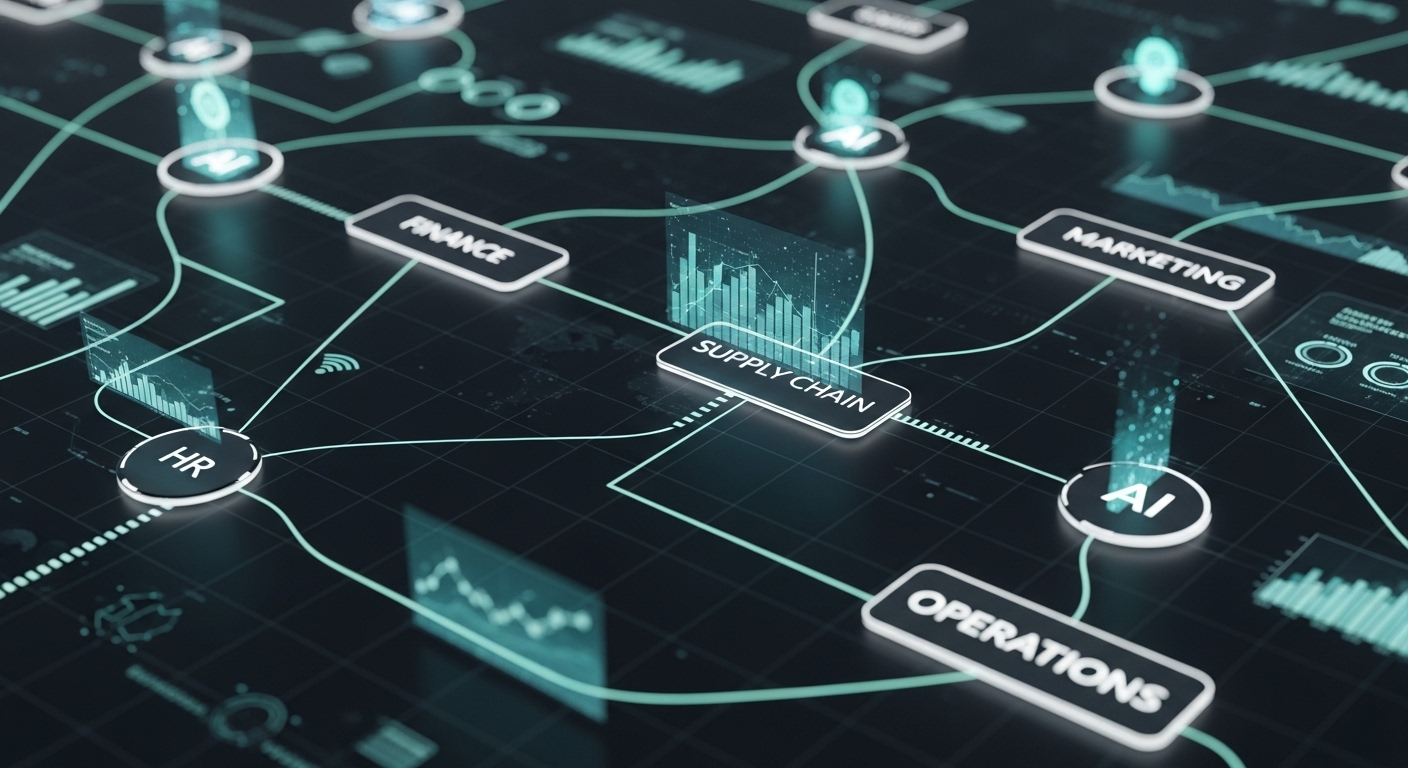
They operate across departments such as finance, HR, supply chain, and IT.

3. Real-Time Decision-Making

AI responds instantly to changes in data and business conditions.

4. Continuous Learning

Performance improves over time through feedback and data analysis.

5. Scalability

AI systems can scale operations without increasing headcount.

How AI Digital Workers Operate Inside Enterprises

AI digital workers function similarly to human employees, but with greater speed and consistency.

Step 1: Understanding Objectives

AI interprets business goals such as “optimize inventory” or “process invoices.”

Step 2: Breaking Down Tasks

It divides goals into actionable steps across systems.

Step 3: Executing Workflows

AI interacts with enterprise platforms to complete tasks.

Step 4: Making Decisions

It evaluates multiple options and selects the best course of action.

Step 5: Learning and Improving

Results are analyzed to refine future performance.

Real-World Use Cases of Digital Workforce AI

1. Finance Operations

AI systems:

  • Process invoices
  • Reconcile accounts
  • Detect anomalies
  • Manage financial reporting

2. Human Resources

AI handles:

  • Employee onboarding
  • Payroll processing
  • Performance tracking
  • Policy compliance

3. Supply Chain Management

AI digital workers:

  • Monitor inventory levels
  • Predict demand
  • Optimize logistics routes
  • Respond to disruptions

4. Customer Support

AI systems:

  • Resolve queries
  • Manage tickets
  • Personalize interactions
  • Complete service workflows

5. IT and Infrastructure

AI:

  • Monitors system health
  • Fixes issues automatically
  • Optimizes performance
  • Enhances cybersecurity

Business Impact: Why This Shift Matters

1. Increased Productivity

AI digital workers operate 24/7 without fatigue.

2. Faster Execution

Tasks are completed in seconds instead of hours.

3. Reduced Costs

Organizations can scale operations without proportional increases in labor costs.

4. Improved Accuracy

AI reduces errors caused by manual processes.

5. Enhanced Agility

Businesses can respond to changes in real time.

Human + AI: The Hybrid Workforce Model

The rise of a digital workforce does not eliminate human roles—it transforms them.

Humans Focus On:

  • Strategy and planning
  • Creativity and innovation
  • Decision oversight
  • Ethical governance

AI Handles:

  • Execution
  • Optimization
  • Data-driven decisions
  • Routine workflows

This creates a hybrid workforce, where humans and AI collaborate to achieve better outcomes.

Challenges of Building a Digital Workforce

While the benefits are significant, organizations must address several challenges:

Integration Complexity

Connecting AI systems with existing infrastructure can be difficult.

Data Quality

AI performance depends on accurate and reliable data.

Governance and Control

Clear guidelines are needed to manage AI autonomy.

Security Risks

Autonomous systems introduce new vulnerabilities.

Workforce Adaptation

Employees must adapt to new roles and responsibilities.

A Practical Roadmap to Building a Digital Workforce

Step 1: Identify High-Impact Areas

Focus on processes with high volume and complexity.

Step 2: Strengthen Data Infrastructure

Ensure real-time, high-quality data availability.

Step 3: Start with Assisted AI

Introduce AI as a support system before enabling autonomy.

Step 4: Transition to Autonomous Systems

Allow AI to execute tasks with defined controls.

Step 5: Scale Across the Organization

Expand AI capabilities across departments.

The Future: AI as the Core of Enterprise Operations

The concept of a digital workforce is only the beginning.

In the near future:

  • AI systems will collaborate across entire enterprises
  • Workflows will be fully autonomous
  • Organizations will operate as self-optimizing systems

This will redefine how businesses are structured, managed, and scaled.

Strategic Insight

Most organizations today are still:

  • Using AI as a tool
  • Running isolated automation projects
  • Experimenting with limited use cases

However, leading companies are:

  • Building AI-powered workforce layers
  • Deploying autonomous systems in core operations
  • Redesigning their operating models around AI

The gap between these two approaches is growing rapidly.

Conclusion

AI is no longer just a tool that supports work it is becoming the workforce itself.

This transformation represents a fundamental shift in how businesses operate. By embracing AI as a digital workforce, organizations can unlock:

  • Greater efficiency
  • Faster execution
  • Continuous optimization
  • Scalable growth

The future belongs to enterprises that move beyond tools and build AI-driven workforces capable of running operations autonomously.

For more Contact US

Industry Reports Deliver Powerful Insights for Better Business Strategy

For decades, industry reports were primarily viewed as research documents used by analysts, consultants, and corporate strategists to understand market trends. They were often produced annually, stored as lengthy PDFs, and used mainly for background information rather than direct decision-making.

That role is changing rapidly.

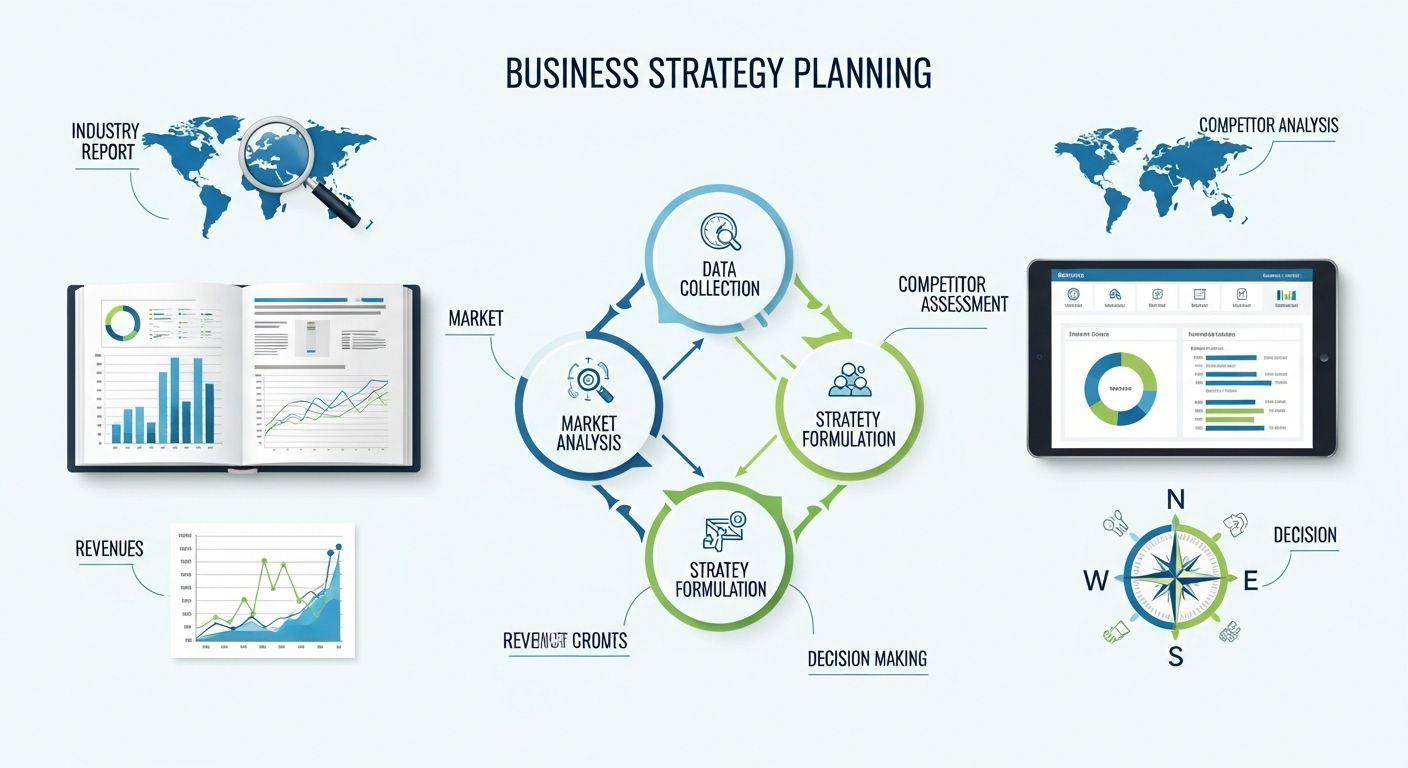
In today’s fast-moving digital economy, industry reports are evolving into strategic decision tools that influence product development, investment strategies, competitive positioning, and long-term business planning. Organizations are no longer treating reports as passive reading material they are integrating industry insights directly into operational and strategic workflows.

Industry intelligence has moved from reference material to real-time decision infrastructure.

The Evolution of Industry Reports

Traditionally, industry reports were produced by market research firms, consulting companies, or financial institutions. These reports focused on broad analyses such as:

  • Market size and growth forecasts
  • Competitive landscapes
  • Emerging technology trends
  • Consumer behavior patterns
  • Regulatory changes

While these reports were useful, they often suffered from one key limitation: they were static.

By the time a report was published, parts of the market landscape might already have changed. This meant companies often relied on outdated insights when making critical decisions.

Today’s business environment demands faster intelligence.

Why Industry Reports Are Becoming Strategic Assets

Several major shifts are transforming how organizations use industry research.

1. Faster Market Changes Require Faster Insights

Markets now evolve much more quickly than they did even a decade ago. Technology innovation, digital transformation, and global competition accelerate change across industries.

Companies must constantly monitor:

  • competitor movements
  • emerging technologies
  • shifting customer expectations
  • regulatory updates
  • macroeconomic trends

Modern industry reports increasingly provide continuous insights rather than periodic summaries, enabling businesses to react faster.

2. Data-Driven Decision-Making Is Now Essential

Organizations today rely heavily on data-driven strategies. Executives expect decisions to be supported by:

  • market evidence
  • competitive intelligence
  • financial projections
  • trend analysis

Industry reports provide the external context necessary to interpret internal business data.

For example, a company experiencing declining product adoption might use industry reports to determine whether the issue reflects internal execution problems or broader market shifts.

3. Competitive Intelligence Has Become Critical

Companies now face competition not only from traditional rivals but also from startups, technology disruptors, and cross-industry entrants.

Industry reports help businesses analyze:

  • competitor product strategies
  • investment patterns
  • pricing models
  • innovation trends

This competitive intelligence helps organizations anticipate market shifts before they occur

4. Investors Depend on Industry Insights

Venture capital firms, private equity investors, and institutional funds rely heavily on industry reports to evaluate opportunities.

Before funding a company, investors analyze:

  • market growth potential
  • sector risk factors
  • regulatory environments
  • technological disruption potential

Industry research therefore plays a central role in investment decisions.

Industry Reports and Strategic Planning

One of the most important ways industry reports influence organizations is through strategic planning.

Executives use industry research to support decisions such as:

Market Entry Strategies

When companies consider entering new markets or launching new products, they rely on industry reports to understand:

  • demand forecasts
  • regional competition
  • regulatory requirements
  • potential barriers to entry

This reduces risk and improves planning accuracy.

Product Development Decisions

Industry insights help companies determine which technologies and features customers are likely to value in the future.

For example, reports highlighting growth in AI adoption or cybersecurity threats can influence product roadmaps.

Organizations increasingly align their innovation strategies with emerging trends identified in industry research.

Risk Management

Industry reports also help companies identify external risks.

These risks may include:

  • regulatory changes
  • supply chain disruptions
  • economic downturns
  • technological disruption

By identifying these risks early, organizations can develop mitigation strategies before problems arise.

The Rise of Interactive and Real-Time Industry Intelligence

Modern industry reports are becoming more dynamic.

Instead of static documents, many research platforms now offer:

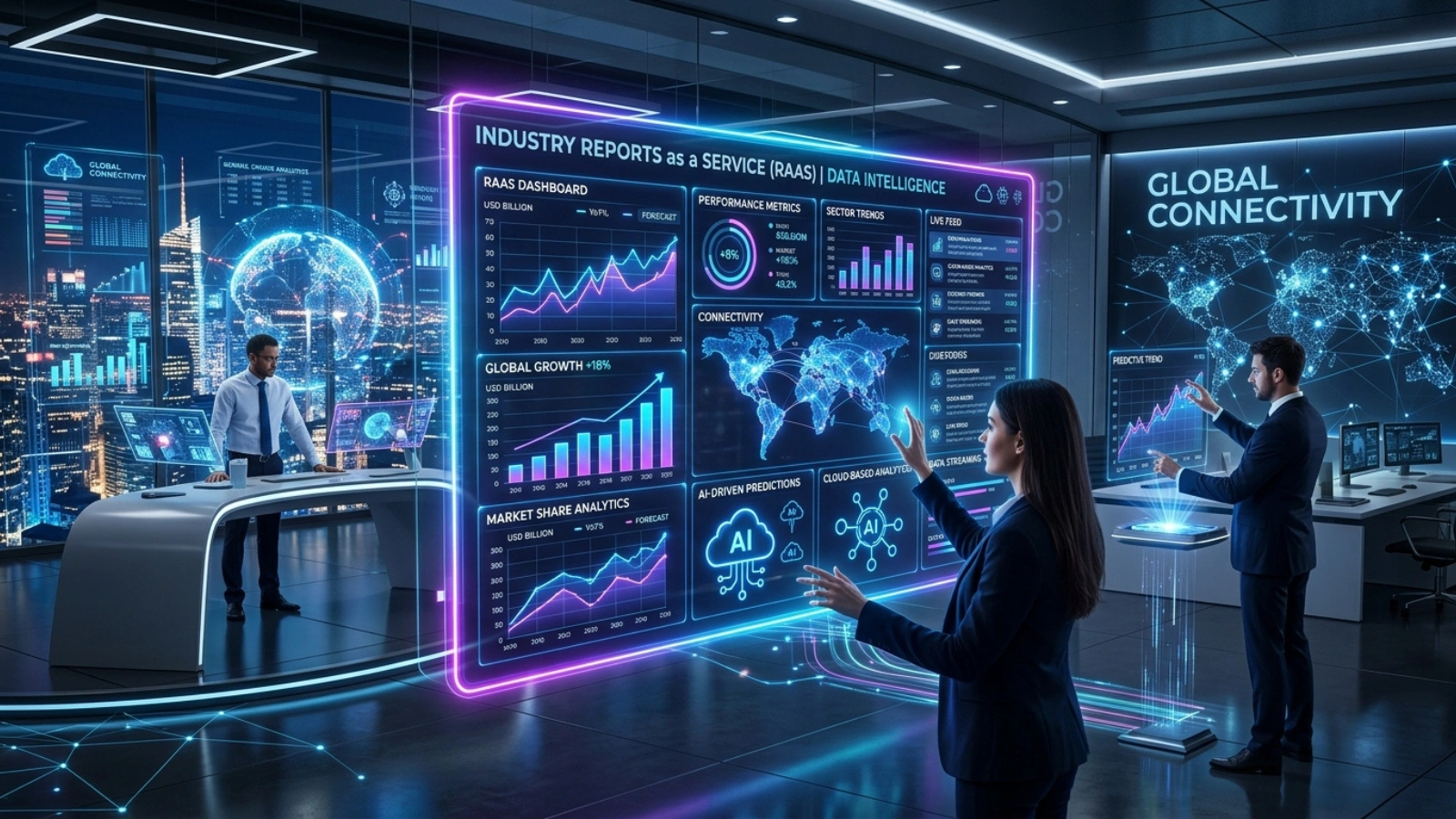
  • real-time market dashboards
  • interactive data visualizations
  • customizable datasets
  • predictive trend analysis

This allows decision-makers to explore data in ways that were previously impossible with traditional reports.

Executives can now filter insights by geography, market segment, or time period to identify relevant trends quickly.

AI and the Future of Industry Research

Artificial intelligence is also transforming how industry reports are created and used.

AI-powered analytics tools can process enormous volumes of data from sources such as:

  • financial filings
  • news publications
  • social media signals
  • economic indicators
  • technology adoption patterns

These systems can identify trends and patterns far faster than manual analysis.

As a result, industry reports are becoming more predictive and forward-looking rather than purely descriptive.

Benefits of Using Industry Reports as Strategic Tools

Organizations that integrate industry intelligence into decision-making gain several advantages:

Better Strategic Alignment

Companies can align internal strategies with external market trends.

Faster Decision-Making

Real-time insights enable executives to respond quickly to emerging opportunities or risks.

Reduced Uncertainty

Market research provides evidence-based guidance, reducing reliance on assumptions.

Stronger Competitive Positioning

Companies can anticipate competitor strategies and prepare accordingly.

Challenges in Using Industry Reports Effectively

Despite their value, industry reports must be used carefully.

Common challenges include:

  • overreliance on outdated reports
  • misinterpretation of data trends
  • analysis paralysis from excessive information
  • reliance on generalized insights that may not apply to specific businesses

Organizations must combine industry intelligence with internal expertise and operational data

The Future Role of Industry Reports

Looking ahead, industry reports will likely become even more integrated into corporate decision systems.

Future developments may include:

  • AI-generated industry forecasts
  • automated competitive intelligence monitoring
  • integrated market intelligence dashboards
  • predictive strategic planning tools

Rather than standalone documents, industry insights will increasingly function as continuous intelligence streams embedded within business platforms.

Conclusion

Industry reports are no longer just informational resources. They are becoming powerful strategic tools that shape how organizations understand markets, compete with rivals, and plan for the future.

In an era defined by rapid change and intense competition, companies that leverage industry intelligence effectively gain a critical advantage.

Strategic decisions supported by reliable market insights are more resilient, more informed, and more likely to succeed.

Industry reports are evolving from research documents into essential components of modern business strategy.

For more Contact US

Cybersecurity Strategies That Protect Your Business from Serious Threats

Cybersecurity is no longer a secondary consideration in digital transformation. It is a foundational requirement. As enterprises accelerate cloud adoption, API integration, automation, and data exchange, the traditional “bolt-on” security model has become obsolete.

In the past, organizations would design systems, deploy applications, and then involve security teams for final testing. That approach worked when IT environments were static and perimeter-based. Today’s digital ecosystems are dynamic, distributed, and continuously evolving. Security must evolve accordingly.

Modern cybersecurity is designed into architecture from the very beginning.

The Shift From Reactive to Proactive Cybersecurity

Historically, It is focused on perimeter defense firewalls, antivirus software, and network gateways. The idea was to protect the boundary and assume internal systems were safe.

However, with cloud infrastructure, remote work, SaaS applications, and API-driven platforms, the perimeter has disappeared. Attack surfaces are constantly changing. Cyber threats are more sophisticated, automated, and financially motivated.

This shift has forced organizations to move from reactive security responses to proactive, built-in cybersecurity strategies. Instead of responding to incidents, companies now focus on preventing vulnerabilities during development and deployment.

Why Bolt-On Cybersecurity Fails in Modern IT Environments

Bolt-on cybersecurity introduces risk because:

  • Security gaps are discovered too late in development
  • Infrastructure misconfigurations go unnoticed until exposed
  • Vulnerabilities are patched instead of prevented
  • Compliance requirements become last-minute obstacles
  • Security teams operate separately from engineering teams

This reactive model increases operational friction and creates unnecessary exposure.

In contrast, built-in cybersecurity embeds security controls directly into architecture, workflows, and governance processes.

Security by Design: The New Enterprise Standard

Security by design means its principles are integrated throughout the software development lifecycle and infrastructure planning stages.

This includes:

  • Secure coding practices from the first line of code
  • Automated vulnerability scanning in CI/CD pipelines
  • Dependency monitoring for third-party libraries
  • Identity-based access controls
  • Encryption at rest and in transit
  • Continuous compliance validation

Cybersecurity becomes an ongoing process rather than a one-time review.

DevSecOps: Integrating Cybersecurity Into Delivery

One of the most significant evolutions in cybersecurity is the rise of DevSecOps the integration of development, security, and operations.

Under DevSecOps:

  • Security testing runs automatically with every code commit
  • Infrastructure-as-code configurations are validated before deployment
  • Secrets management is automated
  • Policy enforcement is embedded into pipelines

It is shifts left in the development lifecycle, identifying risks before systems reach production.

This approach reduces breach probability and improves release confidence.

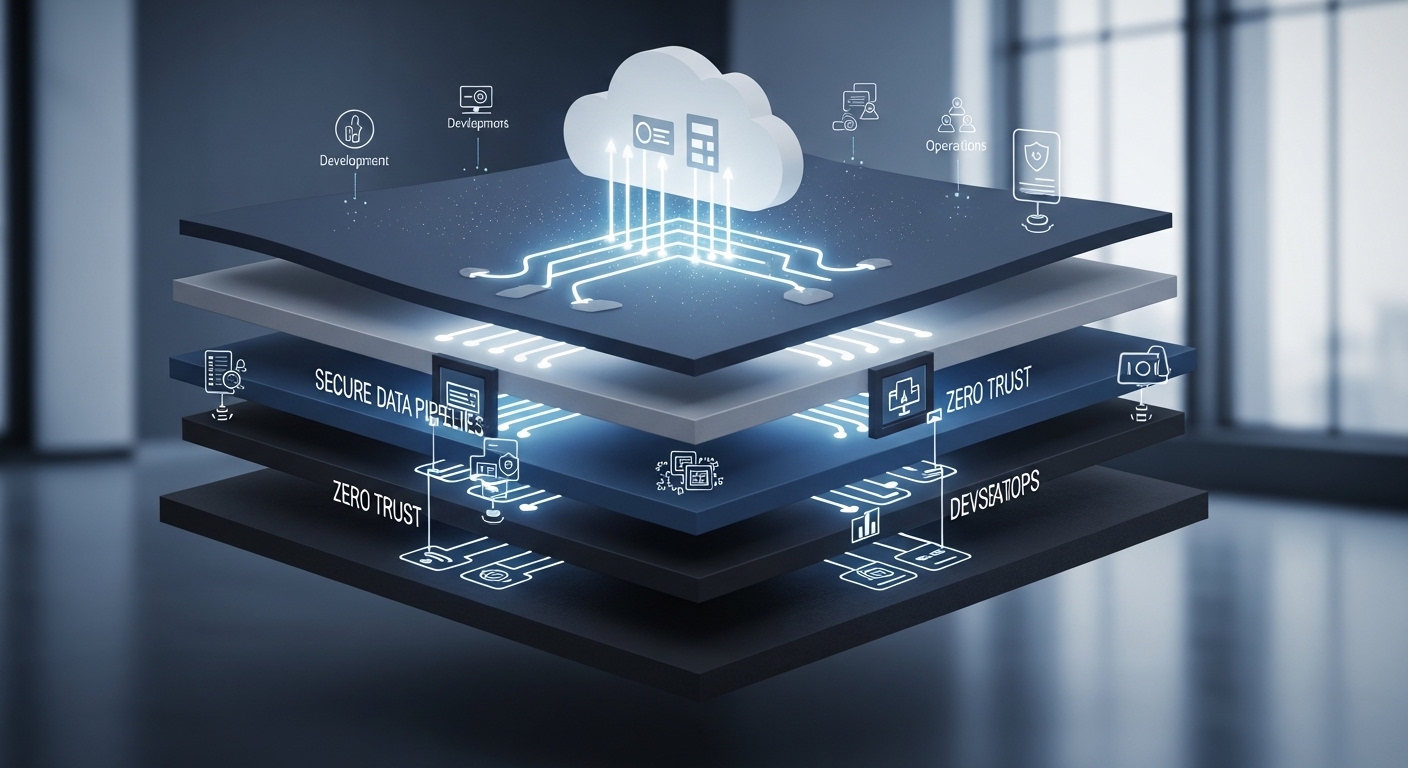
Zero Trust Architecture and Continuous Verification

Another major cybersecurity advancement is the adoption of zero trust architecture.

Zero trust operates on a simple principle: never trust, always verify.

Every user, device, API call, and system interaction must be authenticated and authorized continuously. This includes:

  • Multi-factor authentication
  • Least-privilege access policies
  • Micro-segmentation of networks
  • Continuous monitoring of behavioral anomalies

It becomes identity-driven rather than perimeter-based.

Cybersecurity in Cloud-Native Environments

Cloud adoption has redefined cybersecurity responsibilities. Shared responsibility models require organizations to secure:

  • Application layers
  • Access permissions
  • Data storage configurations
  • API gateways
  • Container environments

That is integrates tools such as:

  • Cloud security posture management (CSPM)
  • Real-time threat detection
  • Automated compliance audits
  • Infrastructure configuration monitoring

This proactive approach prevents misconfigurations that often lead to breaches.

The Business Case for Built-In Cybersecurity

It is not only a technical necessity it is a business imperative.

Data breaches result in:

  • Financial penalties
  • Regulatory fines
  • Legal exposure
  • Reputational damage
  • Customer attrition

The cost of remediation significantly exceeds the cost of prevention.

Organizations that build cybersecurity into their systems experience:

  • Reduced downtime
  • Improved regulatory compliance
  • Stronger stakeholder trust
  • Faster incident response
  • Greater operational resilience

It’s directly impacts long-term business stability.

Governance, Compliance, and Executive Responsibility

Modern cybersecurity requires executive oversight. Boards and C-level leadership must now:

  • Define acceptable risk levels
  • Allocate budgets
  • Align security metrics with business KPIs
  • Review incident response readiness
  • Promote company-wide security awareness

That strategy is now inseparable from digital strategy.

Without executive alignment, built-in cybersecurity initiatives lose effectiveness.

The Future of Cybersecurity Architecture

This will continue evolving toward automation and intelligence.

Emerging developments include:

  • AI-driven threat detection
  • Automated response playbooks
  • Behavioral anomaly monitoring
  • Compliance-as-code frameworks
  • Integrated security analytics dashboards

Security will increasingly operate as a self-adjusting layer within enterprise systems.

The goal is not visible security it is resilient architecture.

Conclusion

Cybersecurity is no longer an optional enhancement or final-stage audit. In a world of continuous deployment, cloud-native systems, distributed APIs, and evolving threat landscapes, security must be embedded into the DNA of digital systems.

Organizations that treat it as infrastructure not an accessory build stronger, more resilient digital ecosystems. Those that rely on bolt-on defenses increase exposure with every integration and every deployment.

In today’s digital economy, It is not a feature. It is the foundation of sustainable transformation.

For more Details let’s connect on Contact Us

AI Is No Longer Innovation, It’s Infrastructure

Introduction: The AI Conversation is Fundamentally Transforming

For the last decade, artificial intelligence lived in the “innovation” bucket. It was explored through pilots, labs, proofs of concept, and experimental teams. Success was measured in demos, not durability.

That era is over.

In 2026, AI is no longer treated as a differentiator you experiment with. It is treated as infrastructure something organizations depend on daily, much like cloud computing, networking, or databases. Companies are no longer asking “Should we use AI?” They are asking:

“How do we run the business without it?”

This shift changes everything: investment models, governance, architecture, talent, and leadership accountability.

What It Means When AI Becomes Infrastructure

Infrastructure has a very specific meaning in business:

  • It must be reliable
  • It must scale
  • It must be secure
  • It must be governed
  • It must work quietly in the background

Once AI crosses into this category, experimentation gives way to operational discipline.

AI infrastructure supports:

  • Decision-making systems
  • Customer interactions
  • Risk assessment
  • Automation at scale
  • Revenue and cost efficiency

Failure is no longer an inconvenience it’s a business risk.

Why the Innovation Framing No Longer Works

1. AI Is Embedded Across Core Operations

AI is no longer isolated to R&D teams.

In most organizations today, AI already influences:

  • Marketing performance and personalization
  • Customer support and service automation
  • Fraud detection and risk scoring
  • Demand forecasting and pricing
  • Software development and testing

When AI touches core workflows, it stops being optional. Innovation budgets are discretionary. Infrastructure budgets are not.

2. Business Dependence Changes the Risk Profile

When AI systems fail, consequences are immediate:

  • Incorrect decisions
  • Operational disruption
  • Customer trust erosion
  • Regulatory exposure

This forces organizations to treat AI like any other critical system with redundancy, monitoring, and controls.

Innovation tolerates failure. Infrastructure cannot.

3. AI Delivers Ongoing Value, Not One-Time Breakthroughs

Innovation is often about breakthroughs. Infrastructure is about continuous utility.

AI delivers value incrementally:

  • Faster processes
  • Better decisions
  • Lower costs
  • Higher consistency

This aligns AI spend with operational budgets, not experimental funding.

The Market Shift: From Pilots to Production

Across industries, a clear pattern has emerged:

  • Fewer AI pilots
  • Fewer innovation showcases
  • More production-grade systems

Organizations are standardizing:

  • AI platforms
  • Data pipelines
  • Model lifecycle management
  • Governance frameworks

This industrialization of AI is the strongest signal that it has become infrastructure.

AI Infrastructure Requires Different Leadership Thinking

From “Championing Innovation” to “Owning Outcomes”

When AI was experimental, leadership roles focused on:

  • Sponsorship
  • Vision
  • Advocacy

Now, leadership is expected to:

  • Ensure uptime
  • Manage risk
  • Prove ROI
  • Guarantee compliance

This shifts accountability from innovation teams to core business leadership.

From Speed to Stability

Early AI adoption rewarded speed. Infrastructure rewards stability.

Organizations are prioritizing:

  • Explainability over novelty
  • Predictability over maximum accuracy
  • Governed deployment over rapid experimentation

The fastest AI is no longer the best AI. The most reliable AI is.

Data Becomes a Supply Chain, Not an Asset

Once AI becomes infrastructure, data stops being “fuel” and starts being a supply chain.

This introduces new priorities:

  • Data quality over data volume
  • Lineage and traceability
  • Consent and lawful use
  • Controlled access

Weak data foundations cripple AI infrastructure just as faulty power grids cripple cities.

Governance Is No Longer Optional

Infrastructure is regulated by nature.

As AI becomes foundational, regulators and boards expect:

  • Clear accountability
  • Auditable decision logic
  • Risk controls
  • Human oversight

Governance is no longer about slowing AI down it’s about making it safe to depend on.

Organizations that ignore this reality face:

  • Regulatory intervention
  • Forced shutdowns
  • Reputational damage

The Economic Signal: AI Spend Is Moving to Core Budgets

One of the clearest market indicators is financial.

In 2026:

  • AI spend is moving from innovation budgets to operational expenditure
  • CFOs are involved in AI prioritization
  • ROI expectations mirror other infrastructure investments

This reframes AI from “growth option” to business necessity.

Infrastructure Thinking Changes Architecture

Platform Over Point Solutions

Infrastructure demands standardization.

Organizations are consolidating:

  • AI tooling
  • Model platforms
  • Data environments

This reduces fragmentation and increases reliability.

Integration Over Isolation

AI infrastructure must integrate with:

  • Existing systems
  • Business workflows
  • Security and compliance frameworks

Isolated AI solutions create fragility. Integrated systems create resilience.

Talent Expectations Are Changing

When AI was innovation, organizations hired:

  • Researchers
  • Specialists
  • Experimenters

As infrastructure, they need:

  • Engineers
  • Platform architects
  • Risk and governance experts
  • Operators

The talent mix shifts from discovery to delivery and maintenance.

Why Some Organizations Are Struggling

Companies that still treat AI as innovation often face:

  • Pilot fatigue
  • Fragmented solutions
  • Inconsistent value
  • Regulatory surprises

They invest heavily but fail to scale because infrastructure thinking was never applied.

What Treating AI as Infrastructure Enables

Organizations that make the shift gain:

  • Predictable performance
  • Faster enterprise-wide adoption
  • Lower long-term costs
  • Easier compliance
  • Stronger trust with customers and regulators

AI stops being a conversation starter and becomes a business enabler.

What Leaders Must Do Differently in 2026

To treat AI as infrastructure, leaders must:

  1. Anchor AI to business-critical processes
  2. Fund AI as a long-term capability
  3. Invest in data and governance early
  4. Demand reliability, not demos
  5. Hold teams accountable for outcomes

This is not less ambitious it’s more serious.

Final Thoughts: Infrastructure Is the Highest Form of Maturity

Calling AI “infrastructure” is not a downgrade. It’s a recognition of success.

Infrastructure is what businesses rely on when they cannot afford failure. AI has reached that point.

In 2026, the most competitive organizations are not those experimenting the most—but those operationalizing AI responsibly, reliably, and at scale.

AI is no longer innovation.
It’s the backbone of modern business.

And like all infrastructure, it rewards discipline far more than excitement. lets’ Discuss at Contact Us

Why Enterprises Are Killing Tool Sprawl in 2026

Introduction: More Tools Didn’t Make Enterprises Safer or Faster

For over a decade, enterprises responded to every new problem by buying another tool. A new security risk? Add a security product. A new analytics need? Add a dashboard. A productivity issue? Add a SaaS subscription.

By 2026, the result is clear: tool sprawl has become a liability.

Organizations now manage dozens sometimes hundreds of overlapping tools across IT, security, development, marketing, and operations. Instead of increasing efficiency, this sprawl has driven up costs, increased risk, slowed decision-making, and burned out teams. Enterprises are finally doing what should have happened years ago: cutting back aggressively.

What Tool Sprawl Really Looks Like Inside Enterprises

Tool sprawl isn’t just “too many apps.” It’s systemic fragmentation.

Typical symptoms include:

  • Multiple tools solving the same problem in slightly different ways
  • Data scattered across disconnected platforms
  • Conflicting dashboards and reports
  • Security blind spots caused by poor integration
  • Rising SaaS costs with unclear ROI

In many organizations, no one can answer a simple question like:
Which tools are mission-critical, and which are just noise?

That uncertainty is now unacceptable.

The Cost Problem Enterprises Can No Longer Ignore

In 2026, enterprise CFOs are scrutinizing software spend harder than ever. Tool sprawl hides massive waste:

  • Licenses paid for unused features
  • Duplicate subscriptions across departments
  • Expensive platforms used by a handful of users

When budgets tighten, the first question becomes:

Why are we paying for five tools that all claim to do the same thing?

The answer is rarely good.

Tool consolidation is no longer a technical decision it’s a financial mandate.

Security and Compliance Are Breaking Under Tool Sprawl

One of the biggest drivers behind tool reduction is security risk.

Every additional tool introduces:

  • Another attack surface
  • Another integration point
  • Another place data can leak
  • Another vendor risk assessment

Security teams are overwhelmed managing alerts from dozens of platforms that don’t talk to each other. Compliance teams struggle to prove consistent controls across fragmented systems.

In regulated environments, tool sprawl directly undermines:

  • Audit readiness
  • Incident response
  • Governance and accountability

In 2026, enterprises are choosing fewer, better-integrated tools over sprawling stacks that look impressive but fail under scrutiny.

AI Changed the Economics of Software Tools

AI has quietly accelerated the death of tool sprawl.

Why? Because AI can replace entire layers of functionality that previously required separate tools:

  • Reporting and analysis
  • Workflow automation
  • Monitoring and alerting
  • Content and data processing

Instead of buying another niche platform, enterprises can:

  • Centralize workflows
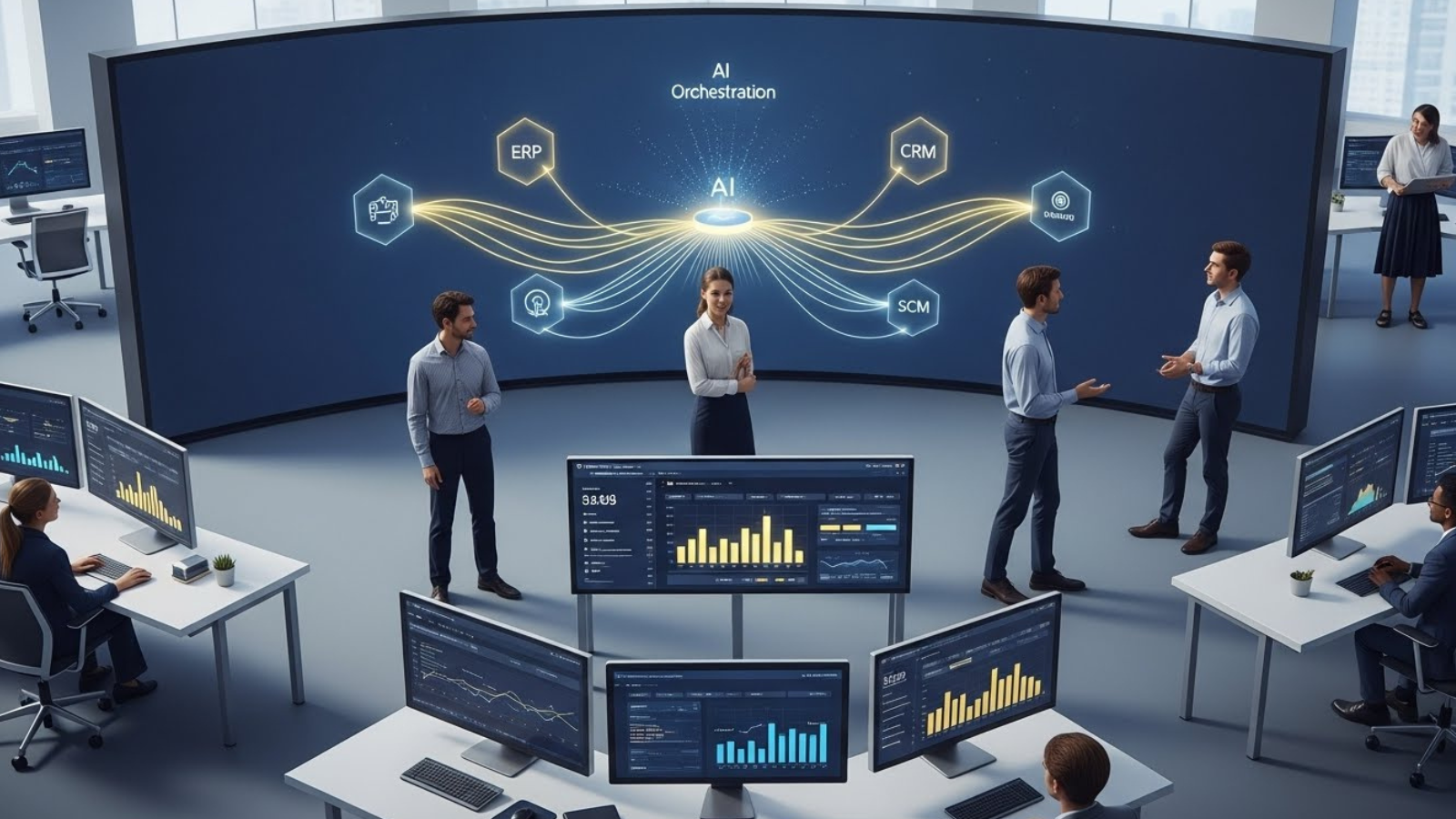
  • Use AI to orchestrate tasks
  • Reduce manual handoffs between systems

This shifts the question from:

Which tool should we add?
to
Which tools can we eliminate?

Integration Fatigue Is Real

IT teams are exhausted not from lack of tools, but from too many of them.

Every new product requires:

  • Integration work
  • API maintenance
  • User training
  • Ongoing support

As tool counts grow, integration becomes the real bottleneck. Systems become fragile. Changes ripple unpredictably. Innovation slows.

In 2026, enterprises are prioritizing platforms that reduce integration complexity, not add to it.

Executives Want Outcomes, Not Dashboards

Another reason tool sprawl is dying: leadership is done with vanity metrics.

Executives don’t want:

  • Ten dashboards saying different things
  • Weekly reports generated manually
  • Conflicting versions of the truth

They want:

  • Clear outcomes
  • Measurable impact
  • Real-time visibility

Tool sprawl obscures insight. Consolidation clarifies it.

The New Enterprise IT Strategy: Fewer Tools, Deeper Capability

Enterprises aren’t anti-tools they’re anti-chaos.

The winning strategy in 2026 looks like this:

  • Fewer core platforms
  • Strong native integrations
  • Centralized data and identity
  • AI-driven orchestration
  • Clear ownership and governance

Instead of assembling fragile stacks of point solutions, organizations are investing in cohesive ecosystems.

What Gets Cut First and Why

When enterprises rationalize their stacks, the same types of tools are usually first to go:

  • Overlapping analytics tools
  • Redundant monitoring platforms
  • Standalone productivity SaaS
  • Niche tools used by single teams

Tools survive only if they deliver unique, provable value that cannot be replicated or absorbed elsewhere.

What This Means for Vendors and Consultants

For software vendors, the message is brutal but clear:

If your product doesn’t integrate deeply or deliver unique value, it’s on the chopping block.

For consultants and IT partners, the opportunity is massive:

  • Tool rationalization assessments
  • Stack consolidation roadmaps
  • Integration and automation strategy
  • AI-driven platform design

Enterprises need guidance to simplify without breaking critical workflows.

How Enterprises Should Approach Tool Reduction

Successful tool reduction isn’t about ripping systems out blindly. It requires:

  1. A full inventory of tools and usage
  2. Clear mapping to business outcomes
  3. Identification of redundancy and risk
  4. A phased consolidation plan
  5. Strong change management

When done right, consolidation improves:

  • Security posture
  • Cost efficiency
  • Operational speed
  • Team morale

Final Thoughts: Tool Sprawl Is a Symptom, Not the Disease

Tool sprawl happened because enterprises optimized locally instead of strategically. Each team solved its own problem, and no one owned the whole system.

In 2026, that mindset is over.

The most successful enterprises are not those with the most tools but those with the clearest, simplest, and most controlled technology foundations.

Killing tool sprawl isn’t about austerity.
It’s about focus, resilience, and scale.

If your organization is looking to rationalize its IT stack, reduce tool sprawl, and design a future-ready platform strategy, explore technology consulting at Contact Us