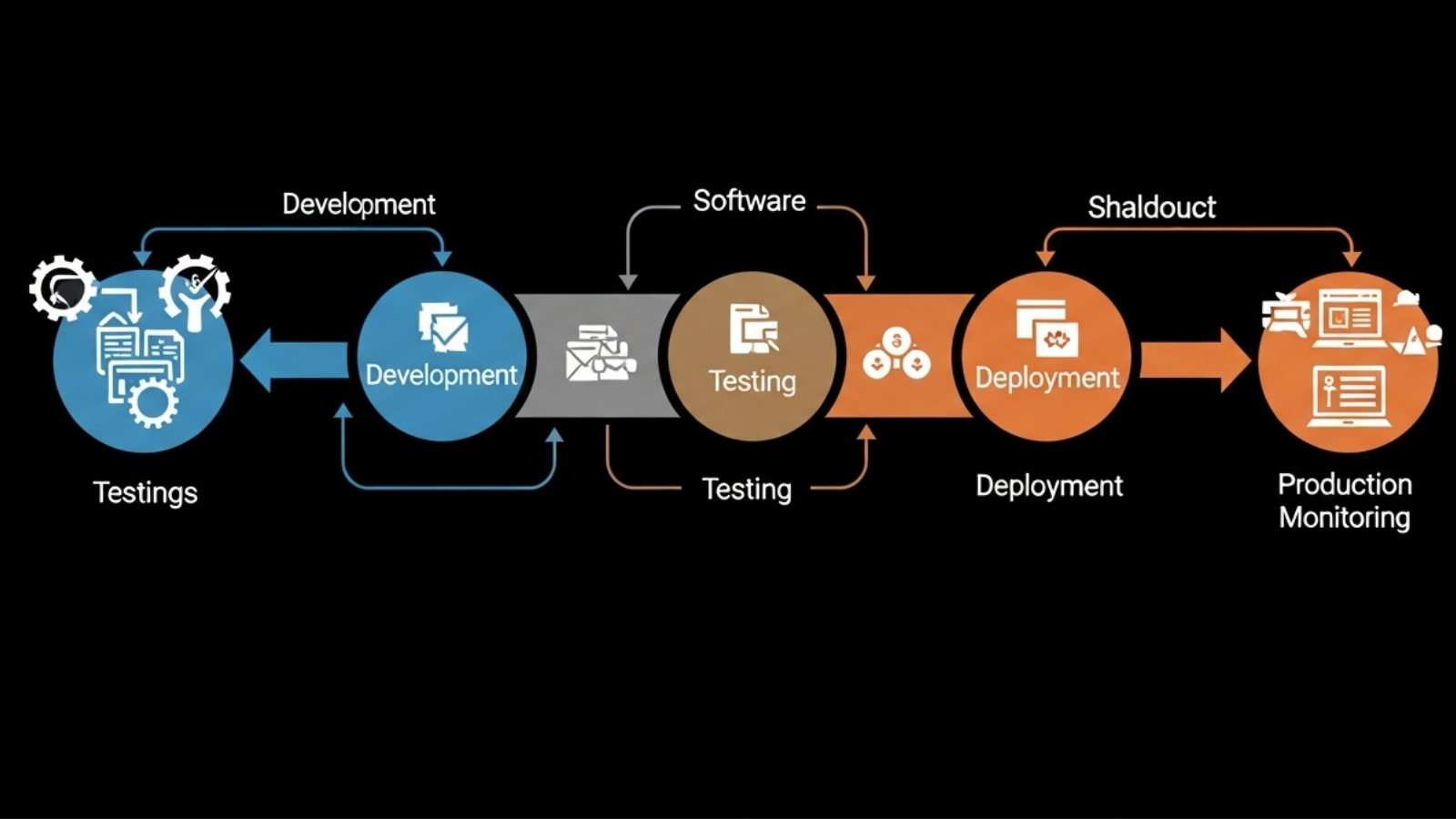

Advanced Threat Modeling Strategies for Stronger Security Testing in 2026

For years, threat modeling was treated as a separate security exercise typically conducted at the beginning of a project or during compliance reviews. Functional testing, on the other hand, focused purely on validating whether a system behaved as expected.

In 2026, that separation is disappearing.

Threat modeling is increasingly being embedded directly into functional test suites, transforming security from a periodic checkpoint into a continuous validation mechanism. This shift reflects a broader change in how organizations approach software quality, risk management, and digital resilience.

The Traditional Gap Between Testing and Security

Historically, functional testing answered one primary question:

Does the system work as intended?

Security testing, meanwhile, asked:

Can the system be exploited?

Because these efforts were handled by separate teams and tools, critical vulnerabilities often emerged late in the development lifecycle. Threat modeling sessions were conducted as documentation exercises rather than operational safeguards.

This siloed model no longer works in environments defined by:

  • Continuous integration and deployment
  • Cloud-native infrastructure
  • API-driven architectures
  • Rapid feature releases

Security risks evolve at the same speed as application code.

What It Means to Integrate Threat Modeling Into Functional Testing

When threat modeling becomes part of functional test suites, it changes how requirements are written, how tests are designed, and how systems are validated.

Instead of testing only for expected behavior, teams also test for:

  • Misuse scenarios
  • Privilege escalation attempts
  • Data exposure risks
  • Authentication bypass conditions
  • Rate-limiting failures

Threat scenarios are translated into executable test cases.

This integration ensures that every functional validation cycle also verifies that security assumptions hold true.

Why This Shift Is Happening Now

Several factors are driving this transformation:

DevSecOps Maturity

Organizations have adopted DevSecOps practices, embedding security tools directly into CI/CD pipelines. As security becomes automated, it naturally aligns with automated testing frameworks.

API and Microservices Architecture

Modern systems expose numerous endpoints. Traditional perimeter security is insufficient. Threat modeling must evaluate how each service behaves under malicious conditions.

Rising Cost of Breaches

Data breaches, ransomware incidents, and compliance violations have demonstrated that reactive security is expensive. Prevention requires earlier detection of flawed logic.

Regulatory Pressure

Industries with strict compliance requirements now demand evidence of proactive risk identification. Integrated threat modeling supports auditability.

How Threat Modeling Enhances Functional Test Coverage

Embedding threat modeling improves test quality in multiple ways:

  • Functional tests simulate malicious input patterns
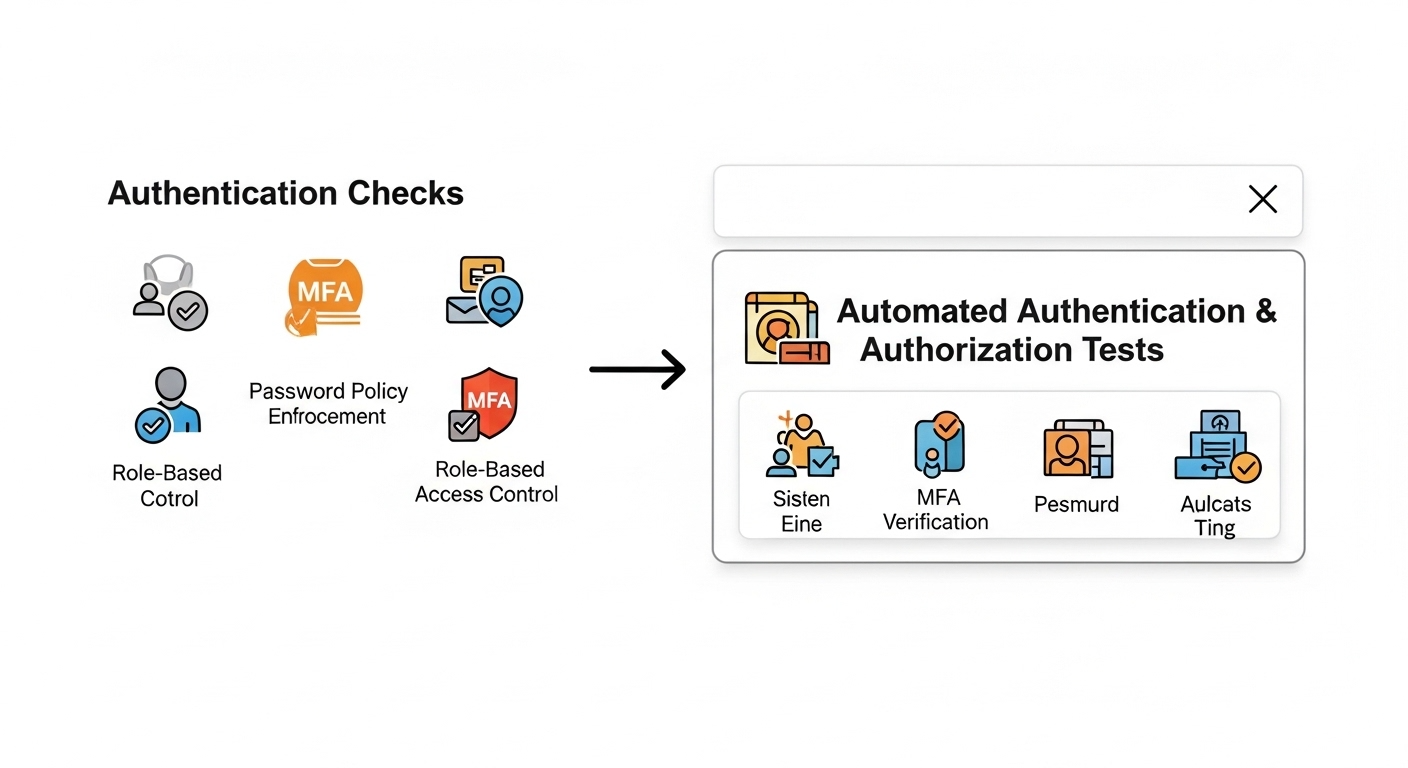
  • Authorization boundaries are validated automatically
  • Data flow paths are verified for exposure risks
  • Error handling is tested for information leakage

Testing evolves from confirming success cases to validating resilience.

In practice, this means:

  • Adding negative test cases
  • Simulating abnormal system states
  • Stress testing authentication workflows
  • Validating encryption enforcement

Security becomes measurable within quality metrics.

Related Articles: Why API-First Automation Is Transforming UI-Heavy Testing in 2026

From Static Diagrams to Dynamic Validation

Traditional threat modeling often relied on architectural diagrams and static analysis sessions. While valuable, these methods lacked continuous validation.

Modern integration converts threat models into:

  • Automated security assertions
  • Pipeline-based validation scripts
  • Continuous compliance checks
  • Runtime behavior monitoring triggers

Threat intelligence feeds can even update test logic dynamically.

This shift moves threat modeling from theoretical risk discussion to executable security enforcement.

Organizational Impact of Integrated Threat Modeling

When threat modeling becomes part of functional testing, organizational dynamics change.

Development Teams

Developers become more aware of potential abuse cases and design with defensive patterns.

QA Teams

Quality assurance expands scope beyond correctness to include resilience testing.

Security Teams

Security professionals collaborate earlier and continuously rather than acting as late-stage gatekeepers.

This collaborative approach reduces friction and shortens remediation cycles.

Benefits of Integrating Threat Modeling Into Functional Test Suites

Organizations that adopt this model experience:

  • Earlier detection of logical vulnerabilities
  • Reduced false positives from standalone security scans
  • Improved compliance documentation
  • Faster release cycles with lower risk
  • Greater confidence in production stability

Security becomes an inherent characteristic of the system rather than an external overlay.

Challenges to Consider

Despite its advantages, integration requires:

  • Skilled cross-functional collaboration
  • Updated test automation frameworks
  • Clear threat modeling methodologies
  • Ongoing maintenance of threat scenarios

However, the long-term reduction in breach risk outweighs the initial implementation effort.

The Future of Security Testing

Looking forward, threat modeling will likely integrate with:

  • AI-driven anomaly detection
  • Behavior-based risk scoring
  • Continuous runtime validation
  • Automated exploit simulation

Functional test suites will not only verify that systems work they will verify that systems resist exploitation.

Security testing and functional testing will become inseparable components of quality engineering.

Conclusion

Threat modeling is no longer a standalone documentation task. It is becoming a practical, automated, and measurable part of functional test suites.

As digital systems grow more interconnected and complex, security cannot remain a separate phase. It must be validated continuously, alongside performance and reliability.

Organizations that integrate threat modeling into functional testing frameworks build more resilient software, reduce risk exposure, and strengthen long-term digital trust.

In modern software engineering, functionality without security is incomplete. Integrated threat validation is the new standard.

For more Details let’s connect on Contact Us
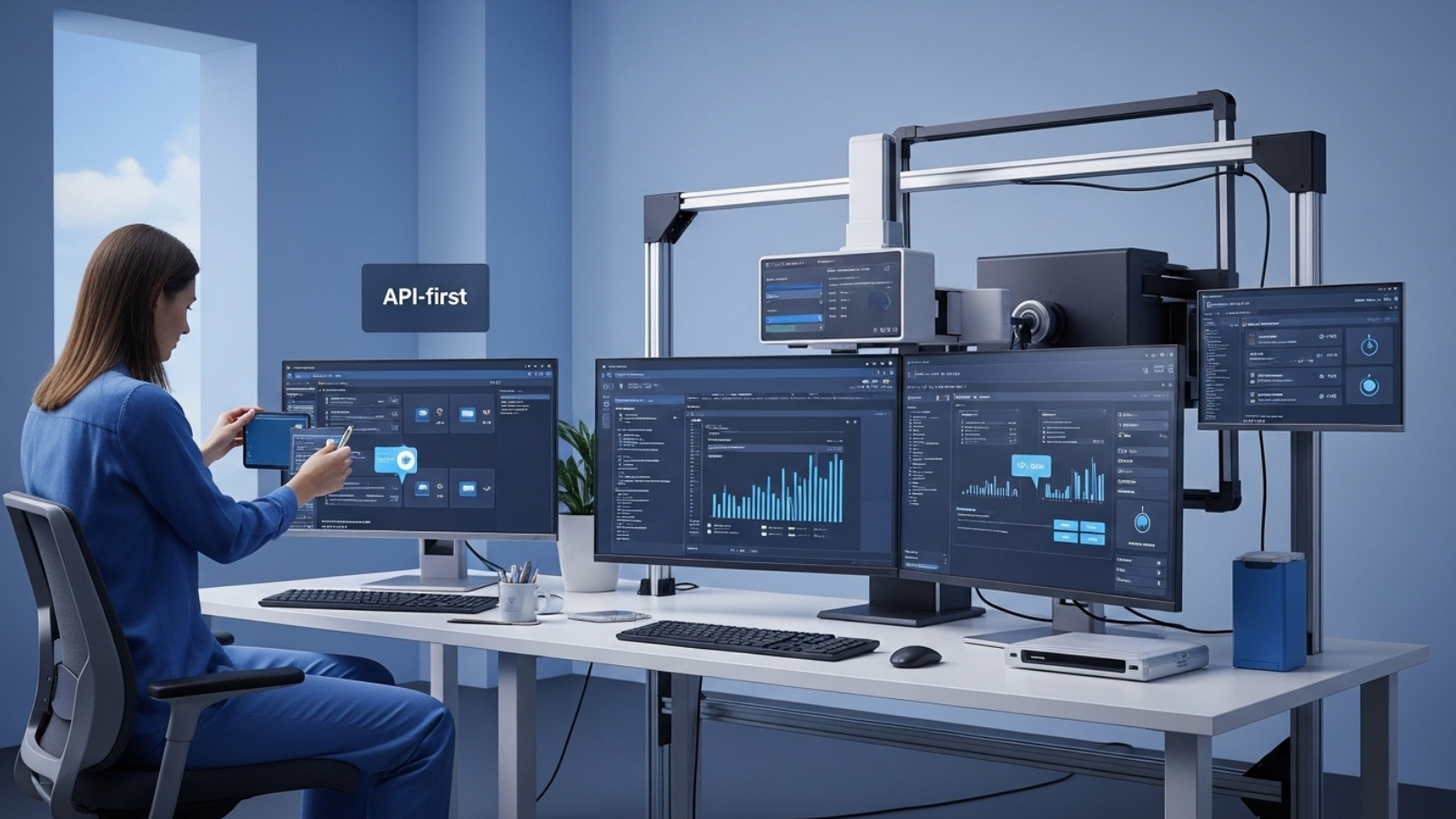
Why API-First Automation Is Transforming UI-Heavy Testing in 2026

Introduction: UI Automation Hit Its Limits

For years, UI automation was treated as the gold standard of test automation. If the test clicked buttons, filled forms, and mimicked real users, it was considered “end-to-end” and therefore valuable.

In 2026, that assumption no longer holds.

Modern software systems are faster, more distributed, and more complex than UI-heavy automation can reliably handle. As teams push for continuous delivery and faster feedback, UI-centric test suites are increasingly becoming a bottleneck rather than a safeguard.

This is why API-first automation is rapidly replacing UI-heavy testing as the backbone of modern quality strategies.

The Core Problem With UI-Heavy Automation

UI automation is not inherently bad. It’s just been overused and misapplied.

The common issues are well known:

  • Tests are slow
  • Tests are brittle
  • Minor UI changes break large test suites
  • Debugging failures is time-consuming
  • Pipelines become unstable

As applications adopt microservices, headless frontends, and dynamic UI frameworks, UI tests become increasingly fragile.

The result? Teams spend more time maintaining tests than validating quality.

Modern Applications Are API-Driven by Design

Most modern applications follow this architecture:

  • UI is a thin layer
  • Business logic lives in APIs
  • Data flows through services

In many systems, 90% of application behavior is driven by APIs, not the UI.

Testing only at the UI layer means:

  • You test logic indirectly
  • Failures are harder to diagnose
  • Coverage is shallow despite many tests

API-first automation aligns testing with where real logic lives.

What API-First Automation Actually Means

API-first automation does not mean “no UI tests.”

It means:

  • APIs are tested first and most thoroughly
  • UI tests are reduced to critical user flows
  • Business logic is validated directly
  • UI tests become confirmation layers, not primary defenses

This approach creates faster, more reliable, and more meaningful test coverage.

Why API Tests Are Faster and More Stable

1. Fewer Moving Parts

API tests don’t depend on:

  • Browsers
  • Rendering engines
  • Animations
  • Frontend timing issues

They run faster and fail for real reasons, not cosmetic ones.

2. Clearer Failure Signals

When an API test fails, you know:

  • Which service failed
  • Which endpoint
  • Which payload
  • Which validation broke

UI failures often require digging through logs, screenshots, and recordings just to understand what happened.

API-First Automation reduce diagnostic noise.

3. Earlier Feedback in the Pipeline

API tests can run:

  • On every commit
  • In parallel
  • Without heavy infrastructure

This enables true shift-left testing, catching defects before they reach the UI layer.

UI Automation Is Still Needed: Just Less of It

API-First Automation does not mean UI-free.

UI tests still matter for:

  • Critical user journeys
  • Visual regressions
  • Accessibility validation
  • Smoke testing production readiness

But instead of hundreds of UI tests, modern teams maintain:

  • A small, high-value UI suite
  • Focused on user confidence, not coverage numbers

This dramatically reduces flakiness and maintenance overhead.

The CI/CD Reality: Speed Beats Exhaustiveness

In continuous delivery environments, feedback speed matters more than exhaustive UI coverage.

API-first automation enables:

  • Faster pipelines
  • Predictable execution times
  • Reliable gating of releases

UI-heavy pipelines often become:

  • Slow
  • Unstable
  • Frequently bypassed

Once teams stop trusting pipelines, automation loses its value.

API-First Testing Fits QAOps and DevOps Models

As QA evolves into QAOps, automation is expected to:

  • Live inside CI/CD
  • Support observability
  • Enable rapid releases

API-First Automation testing fits naturally into this model:

  • APIs are stable integration points
  • Tests can be owned by teams
  • Automation aligns with service ownership

UI-heavy automation often sits outside these workflows, creating friction.

Contract Testing Strengthens API-First Strategies

Modern API-first approaches often include:

  • Contract testing
  • Schema validation
  • Consumer-driven tests

This ensures:

  • Services don’t break downstream consumers
  • Changes are validated before deployment
  • Teams can move independently

UI tests cannot provide this level of service-to-service confidence.

Cost Is Becoming Impossible to Ignore

UI automation is expensive:

  • Infrastructure costs
  • Maintenance time
  • Debugging effort

API tests are cheaper to:

  • Write
  • Run
  • Maintain

In an environment where automation ROI is scrutinized, API-first testing consistently delivers better cost-to-confidence ratios.

Why Teams Are Actively Reducing UI Test Suites

Across industries, teams are:

  • Deleting redundant UI tests
  • Migrating logic validation to APIs
  • Keeping only high-impact UI coverage

This is not a trend—it’s a correction.

Teams learned that:

More UI tests ≠ better quality

Better test design does.

Common Mistakes When Adopting API-First Automation

1. Treating APIs as Implementation Details

API tests should validate behavior and contracts, not internal logic.

Over-coupled tests create fragility.

2. Ignoring Data Management

API tests require:

  • Controlled test data
  • Isolated environments
  • Predictable states

Without this, API tests become flaky too.

3. Eliminating UI Tests Completely

Removing all UI tests creates blind spots.

Balance matters.

How to Transition From UI-Heavy to API-First

A practical approach:

  1. Identify business-critical flows
  2. Move logic validation to API tests
  3. Reduce UI tests to core journeys
  4. Introduce contract testing
  5. Measure pipeline stability and speed

The goal is confidence, not coverage metrics.

What This Means for Automation Engineers

The role is changing.

Automation engineers now need:

  • Strong API testing skills
  • Understanding of system architecture
  • CI/CD integration experience
  • Data and environment management expertise

Click-based automation alone is no longer enough.

Final Thoughts: Quality Lives Below the UI

UI automation made sense when applications were monoliths. Modern systems are not.

In 2026, quality is built:

  • At the service layer
  • At integration points
  • Inside pipelines

API-first automation reflects how software is actually built and deployed today.

UI testing still plays a role but it’s no longer the foundation.

The teams that succeed are those that stop testing appearances and start testing behavior. For More Details Contact Us

QAOps: How Continuous Testing Is Rewriting Quality Assurance in 2026

Introduction: Quality Assurance Is No Longer a Phase It’s a System

For years, Quality Assurance lived at the end of the software lifecycle. Code was written, features were “done,” and then QA stepped in to validate what already existed. That model is officially broken.

In 2026, speed is non-negotiable. Releases happen daily, sometimes hourly. In this environment, traditional Quality Assurance simply cannot keep up. The result is a fundamental shift: QAOps the integration of quality assurance directly into DevOps pipelines through continuous testing, automation, and real-time feedback.

QAOps isn’t a trend. It’s a survival mechanism.

What Is QAOps Really?

QAOps is not just “more automation” or “testing earlier.” It’s a systemic change in how quality is owned, measured, and delivered.

At its core, QAOps means:

  • Testing is continuous, not scheduled
  • Quality is everyone’s responsibility, not just QA’s
  • Feedback loops are automated and immediate
  • Testing lives inside CI/CD pipelines
  • Production behavior informs future tests

In short, QAOps treats quality as an operational capability, not a checkpoint.

Why Traditional QA Failed at Scale

1. Testing Happens Too Late

When Quality Assurance is a final gate, defects are discovered after:

  • Architectural decisions are locked
  • Timelines are compressed
  • Fixes are expensive

Late testing increases risk instead of reducing it.

2. Manual Bottlenecks Don’t Scale

Manual regression cycles can’t keep pace with:

  • Microservices architectures
  • Frequent releases
  • Multi-platform applications

Teams either skip testing or accept lower confidence.

3. QA Is Isolated From Delivery

When Quality Assurance works separately from DevOps:

  • Test environments drift
  • Failures lack context
  • Feedback arrives too late

This isolation turns Quality Assurance into a blocker instead of an enabler.

QAOps exists because this model no longer works.

Continuous Testing: The Backbone of QAOps

Continuous testing is the engine that powers QAOps. It ensures that every change is validated automatically, across the lifecycle.

Continuous testing includes:

  • Unit tests triggered on every commit
  • API and integration tests in pipelines
  • UI tests on critical paths
  • Performance and security checks
  • Monitoring and validation in production

The goal isn’t “100% automation.”
The goal is continuous confidence.

Shift-Left + Shift-Right: QAOps in Practice

QAOps combines two powerful approaches:

Shift-Left Testing

Testing moves earlier into:

  • Requirements
  • Design
  • Development

This reduces defect cost and improves clarity.

Shift-Right Testing

Quality doesn’t stop at release. QAOps validates:

  • Real user behavior
  • Performance under load
  • Error rates and anomalies

Production becomes a quality signal, not a blind spot.

Together, these approaches close the feedback loop.

The Role of Automation in QAOps

Automation is necessary but not sufficient.

In QAOps, automation must be:

  • Stable: Self-healing where possible
  • Relevant: Focused on business-critical paths
  • Fast: Optimized for pipeline execution
  • Observable: Failures provide actionable insight

Bad automation creates noise.
Good automation creates trust.

QAOps teams invest more in maintaining test value than in increasing test count.

AI Is Accelerating QAOps Adoption

AI is a major catalyst for QAOps in 2026.

Used correctly, AI helps with:

  • Test case generation
  • Test maintenance and self-healing
  • Risk-based test prioritization
  • Failure analysis and root cause detection

But here’s the hard truth:
AI doesn’t replace QA thinking. It amplifies it.

Teams that rely blindly on AI-generated tests accumulate verification debt. QAOps requires human oversight plus intelligent automation.

QAOps Changes Team Structure and Culture

QAOps is as much cultural as it is technical.

Successful teams:

  • Embed Quality Assurance engineers into product squads
  • Involve Quality Assurance in sprint planning and design
  • Share ownership of test failures
  • Treat broken pipelines as production incidents

In QAOps, quality failures are team failures, not QA failures.

Metrics That Matter in QAOps

Traditional Quality Assurance metrics (number of test cases, defects found) are insufficient.

QAOps focuses on:

  • Deployment frequency
  • Change failure rate
  • Mean time to detect (MTTD)
  • Mean time to recover (MTTR)
  • Escaped defects

These metrics tie quality directly to business impact.

Common Mistakes When Adopting QAOps

Many organizations struggle with QAOps because they:

  • Automate bad tests
  • Overload pipelines with slow UI tests
  • Ignore test data management
  • Treat QAOps as a tooling problem
  • Skip change management

QAOps fails when it’s implemented mechanically instead of strategically.

How to Start with QAOps (Practically)

If you’re transitioning toward QAOps, start here:

  1. Stabilize your CI/CD pipeline
  2. Automate critical paths first
  3. Integrate Quality Assurance early into delivery planning
  4. Introduce observability and production feedback
  5. Measure outcomes, not activity

QAOps is built incrementally not overnight.

What QAOps Means for the Future of QA

Quality Assurance is not disappearing. It’s becoming more powerful.

In 2026, top QA professionals are:

  • Quality strategists
  • Automation architects
  • Risk analysts
  • Delivery enablers

QAOps elevates QA from execution to engineering leadership.

Final Thoughts: QAOps Is the New Default

Continuous delivery demands continuous quality. QAOps provides the structure to make that possible without slowing teams down.

Organizations that adopt QAOps:

  • Release faster
  • Fail safer
  • Recover quicker
  • Build trust with users

Those that don’t will continue firefighting defects they could have prevented.

Quality hasn’t lost importance.
It has finally gained operational relevance.

If your organization is modernizing its QA strategy and moving toward QAOps and continuous testing, explore software testing and quality consulting at Contact Us