

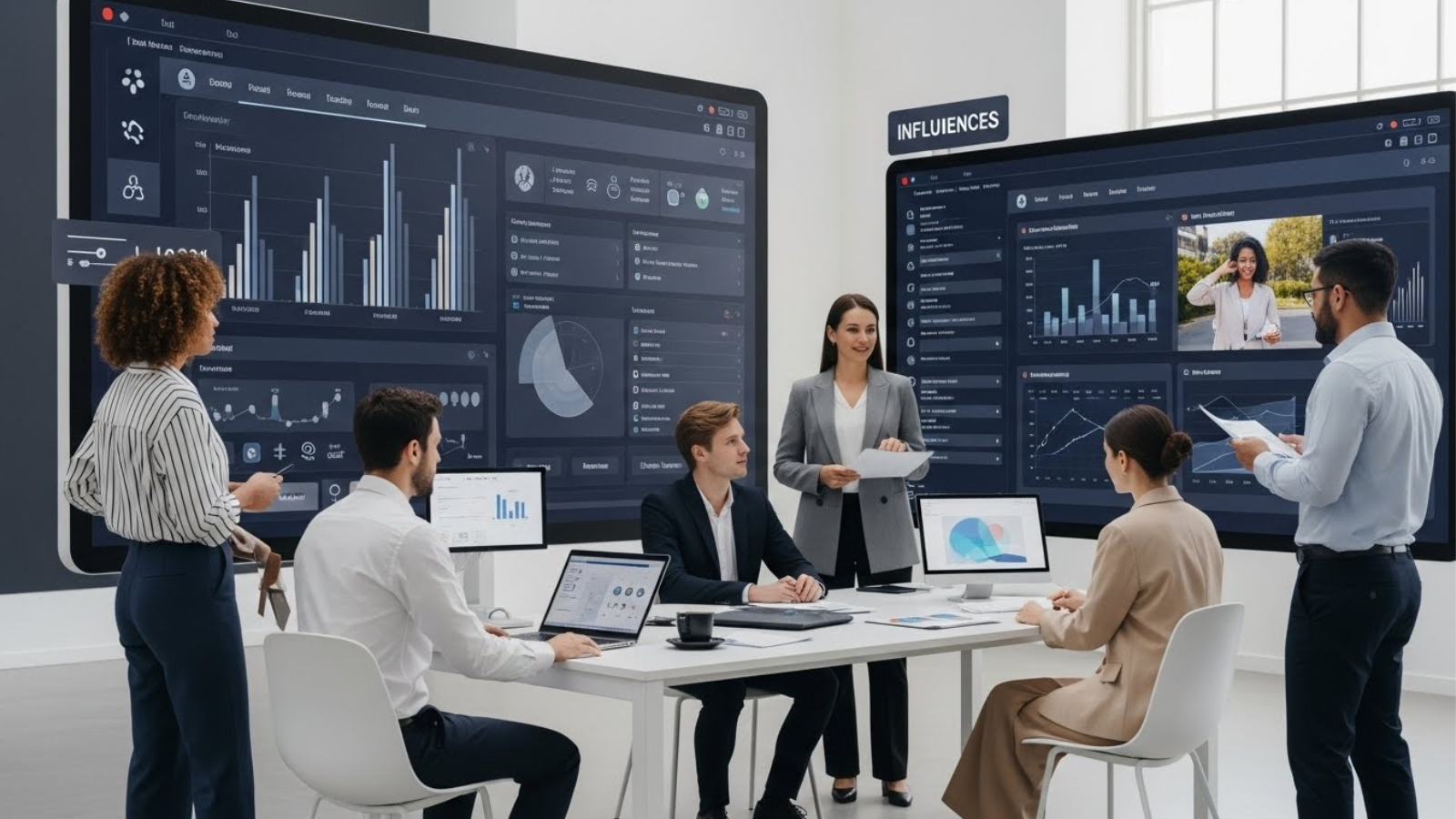
Influencer Marketing Evolution in 2026: From Paid Posts to Strategic Growth Engine

Introduction

Influencer marketing in 2026 looks nothing like it did just a few years ago. The era of one-off sponsored posts, fake engagement, and short-term brand deals is collapsing. What’s replacing it is something far more powerful and far more demanding: long-term creator partnerships that directly influence business growth.

Brands that still treat influencers as “media buys” are already losing relevance. The winners are those integrating creators into strategy, product storytelling, and community building.

The Death of Transactional Influencer Marketing

In 2026, audiences are immune to obvious ads. They can spot scripted content instantly, and platforms are quietly deprioritizing it.

What’s failing:

  • One-time paid promotions
  • Generic discount-code content
  • Influencers with inflated follower counts but no trust

Brands are realizing that reach without credibility is worthless.

Influencers Are Becoming Brand Partners

The most successful campaigns today treat influencers as:

  • Long-term collaborators
  • Subject-matter advocates
  • Community leaders

Instead of “posting for a fee,” creators are:

  • Co-creating product launches
  • Shaping brand voice
  • Driving feedback loops with real audiences

This shift turns influencer marketing into a compound asset, not a campaign expense.

AI and Data Are Reshaping Influencer Strategy

In 2026, influencer decisions are no longer gut-based.

Modern brands use:

  • AI-driven audience analysis
  • Engagement quality scoring
  • Sentiment and comment intelligence

This allows marketers to identify creators who influence decisions, not just attention.

Platforms Are Rewarding Authenticity

Algorithms across social platforms now favor:

  • Native storytelling
  • Long-term creator consistency
  • Community interaction

This means brands must stop forcing scripts and start empowering creators to speak naturally within brand boundaries.

What This Means for Businesses

Influencer marketing is no longer optional but it’s also no longer simple.

To win in 2026, brands must:

  • Build influencer programs, not campaigns
  • Align creators with long-term business goals
  • Measure influence beyond vanity metrics

Those who do this well see stronger brand trust, higher conversion quality, and lower customer acquisition costs.

Final Thoughts

Influencer marketing in 2026 is not about popularity. It’s about credibility at scale. Brands that evolve will grow communities. Brands that don’t will keep paying for noise.

If your business wants to build scalable, data-driven influencer strategies aligned with growth, explore digital marketing consulting at Contact Us
NVIDIA AI Technology 2026: 5 Game-Changing Ways It’s Reshaping Software Engineering & AI Ops

Introduction: Nvidia Didn’t Launch a Product, It Changed the Rules

At CES 2026, NVIDIA didn’t just announce hardware. It redefined how AI systems should be engineered from silicon to software.

1. Hardware and Software Are No Longer Separate Worlds

Nvidia’s new AI tech proves one thing:

Performance now comes from co-design, not brute force.

AI engineers must understand:

  • Chip capabilities
  • Memory pipelines
  • Inference optimization

This is no longer optional.

2. AI Ops Moves Closer to the Metal

Traditional AI Ops focused on:

  • Models
  • Pipelines
  • Monitoring

Nvidia’s approach pulls AI Ops downward into:

  • GPU scheduling
  • Inference acceleration
  • Energy optimization

This reduces latency, cost, and failure points.

3. Software Engineering Becomes Performance Engineering

With It’s stack:

  • Poor architecture is immediately exposed
  • Inefficient code becomes expensive
  • Optimization becomes a core skill

Software engineers now share responsibilities with infra teams.

4. What This Means for Enterprises

Enterprises adopting It’s AI tech gain:

  • Faster deployment cycles
  • Lower AI operational costs
  • Better scalability across cloud & edge

But only if teams are properly architected.

5. The New Skillset Engineers Need

2026 AI engineers must understand:

  • Hardware-accelerated AI
  • AI Ops tooling
  • System-level debugging
  • Production AI reliability

Anything else is surface-level AI.

Conclusion: Nvidia Is Forcing Maturity

Nvidia’s CES 2026 announcements mark the shift from experimental AI to industrial AI. Teams that adapt will dominate. Teams that don’t will outsource.

Need help designing AI systems that actually scale in production?
See how Nautics Technologies delivers enterprise AI & software solutions: Nauticsou.com

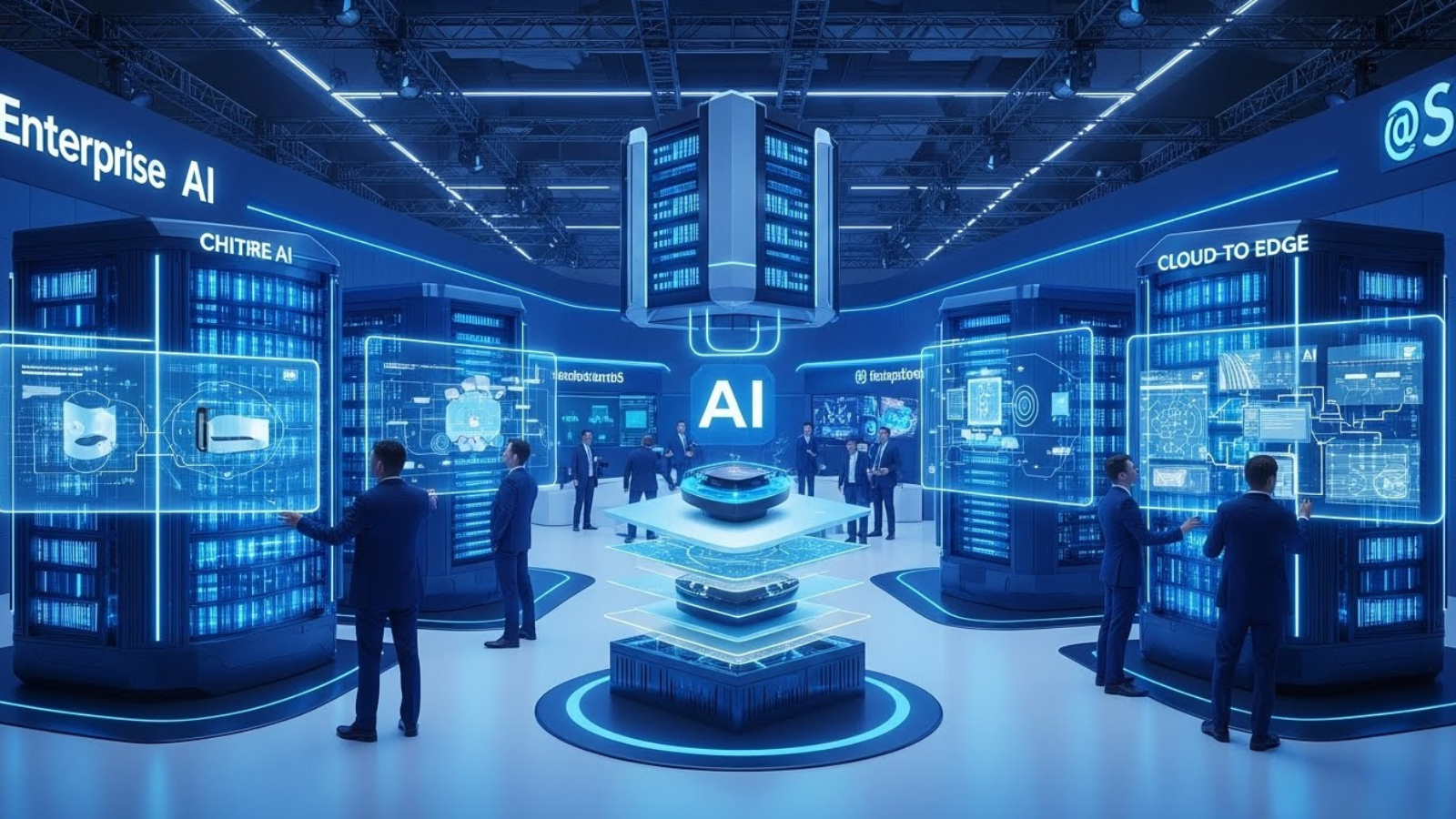
What CES 2026 Reveals About the AI Stack Developers Must Adopt in 2026

Introduction: CES 2026 Wasn’t About Gadgets, It Was About Infrastructure

CES 2026 exposed a hard truth: AI is no longer an experiment. It’s production-grade, enterprise-ready, and brutally competitive. Developers who still think “model = AI” are already behind.

1. AI Is Becoming a Full Stack, Not a Feature

CES showed AI moving from APIs into end-to-end systems:

  • Data ingestion
  • Model orchestration
  • Real-time inference
  • Monitoring & governance

Key takeaway: Developers now need system-level thinking, not just Python scripts.

2. Chips Matter Again: The Death of Hardware Ignorance

AI performance in 2026 depends on tight hardware–software alignment.

  • GPUs, NPUs, and AI accelerators dominated CES
  • Power efficiency + edge inference were major themes

Developers can no longer ignore what runs under their code.

3. Frameworks Are Shifting Toward Orchestration & AI Ops

Forget single-model workflows.
CES 2026 highlighted:

  • Multi-model pipelines
  • Real-time model switching
  • AI lifecycle automation

Frameworks are evolving to support AI Ops, not demos.

4. Enterprise Platforms Are Taking Control

Large organizations want:

  • Security
  • Compliance
  • Predictability

That’s why CES showed massive growth in enterprise AI platforms over DIY stacks. Expect more consolidation and fewer “random tools.”

5. What Developers Must Learn in 2026 (No Excuses)

If you’re serious, your stack should include:

  • AI deployment & monitoring
  • Scalable cloud + edge architectures
  • Secure data pipelines
  • Hardware-aware optimization

Anything less is hobby-level.

Conclusion: CES 2026 Drew the Line

CES 2026 made it clear:
AI developers are becoming AI engineers.
Those who adapt will build the future. Those who don’t will maintain legacy systems.

Looking to build or modernize an enterprise-ready AI stack?
Explore AI & software development services at Sales@nauticsou.com